Cassie's Song
A vampire navigates a collapsing boundary between her eternal life and mortal past in Atlanta.
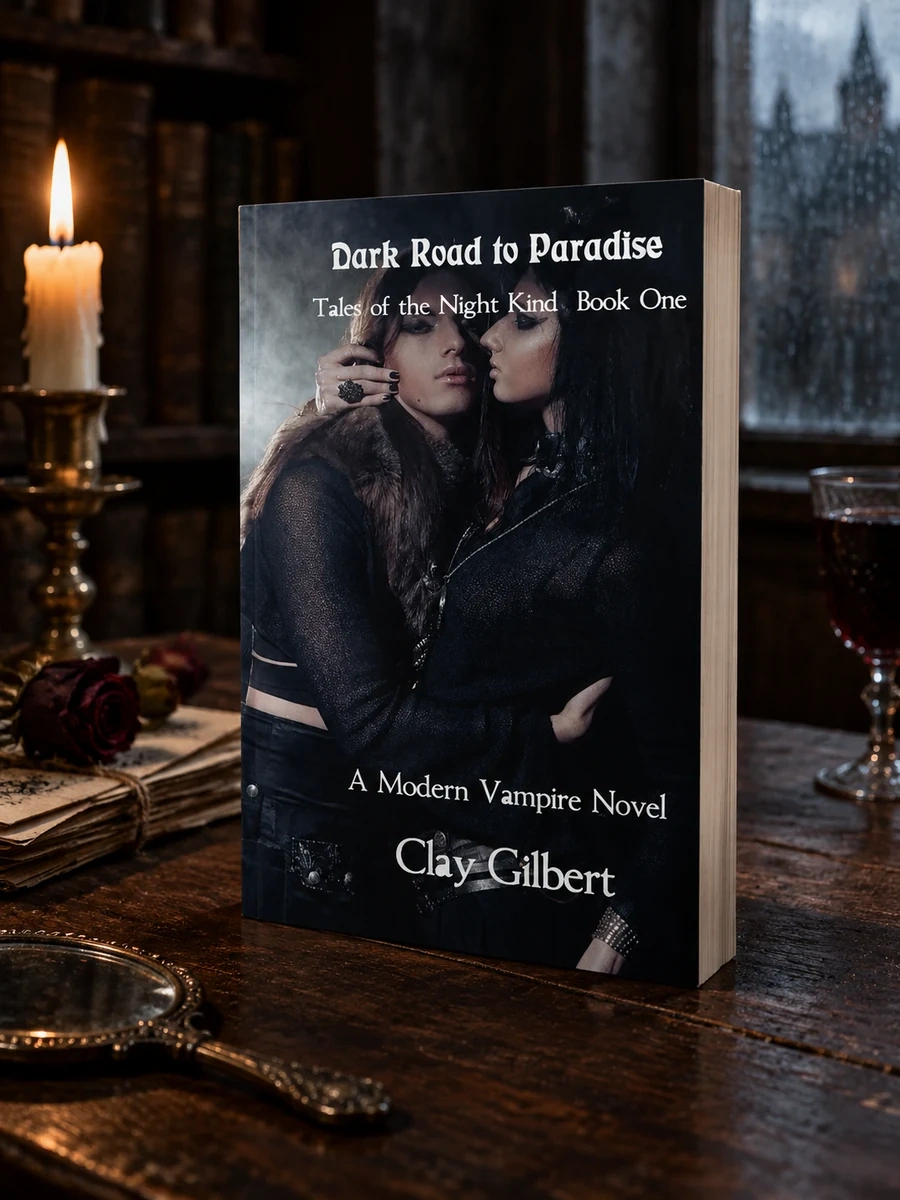
Cassie Cabot struggles with the psychological weight of immortality after leaving Alabama for Georgia. Her new existence with Martin Cabot offers peace, but lingering dreams prevent full acceptance. The central conflict arises when the natural order separating Night-Kind from humans breaks down, leading to vampire deaths. Cassie investigates this phenomenon among a group called new-bloods. This search creates enemies and compels her journey back to Auburn. She faces a final confrontation with her dual nature, aiming for peace or death.
The narrative is set in contemporary United States, specifically moving between Auburn, Alabama, and Atlanta, Georgia. It draws on vampire mythology traditions involving Night-Kind beings and the concept of eternal life. The story reflects modern urban supernatural fiction tropes popular in independent publishing.


📝 Description: Cassie's Song
💎 Our verdict on Cassie's Song
📖 Why choose it
Why this book is worth reading
Readers who enjoy character-driven supernatural mysteries set in modern American cities will find this narrative compelling. It appeals to those interested in the psychological weight of immortality and the tension between eternal life and mortal past. The book suits fans of gothic fiction and dark fantasy who appreciate exploring the duality of existence through a vampire's lens. It is ideal for audiences seeking stories where the central conflict arises from internal struggles with acceptance and identity, rather than external action alone. Those drawn to tales involving the collapse of natural orders and the investigation of supernatural anomalies among specific factions will also engage with its themes.
⭐ Reader reviews
Reader rating
Clay Gilbert presents a narrative that effectively uses vampire folklore to explore deeper psychological themes. The story focuses on Cassie Cabot’s struggle with her dual nature, balancing daylight and darkness after relocating from Alabama to Atlanta. By centering the plot on the breakdown of the boundary between Night-Kind and humans, the author creates a compelling mystery rooted in character development rather than mere action. This approach suits readers who prefer supernatural drama intertwined with personal introspection. The work does not cater to those seeking historical accuracy but offers a rich exploration of immortality's toll. It is best appreciated by fans of gothic fiction who value atmospheric tension and the intricate dynamics of vampire society over traditional horror tropes.