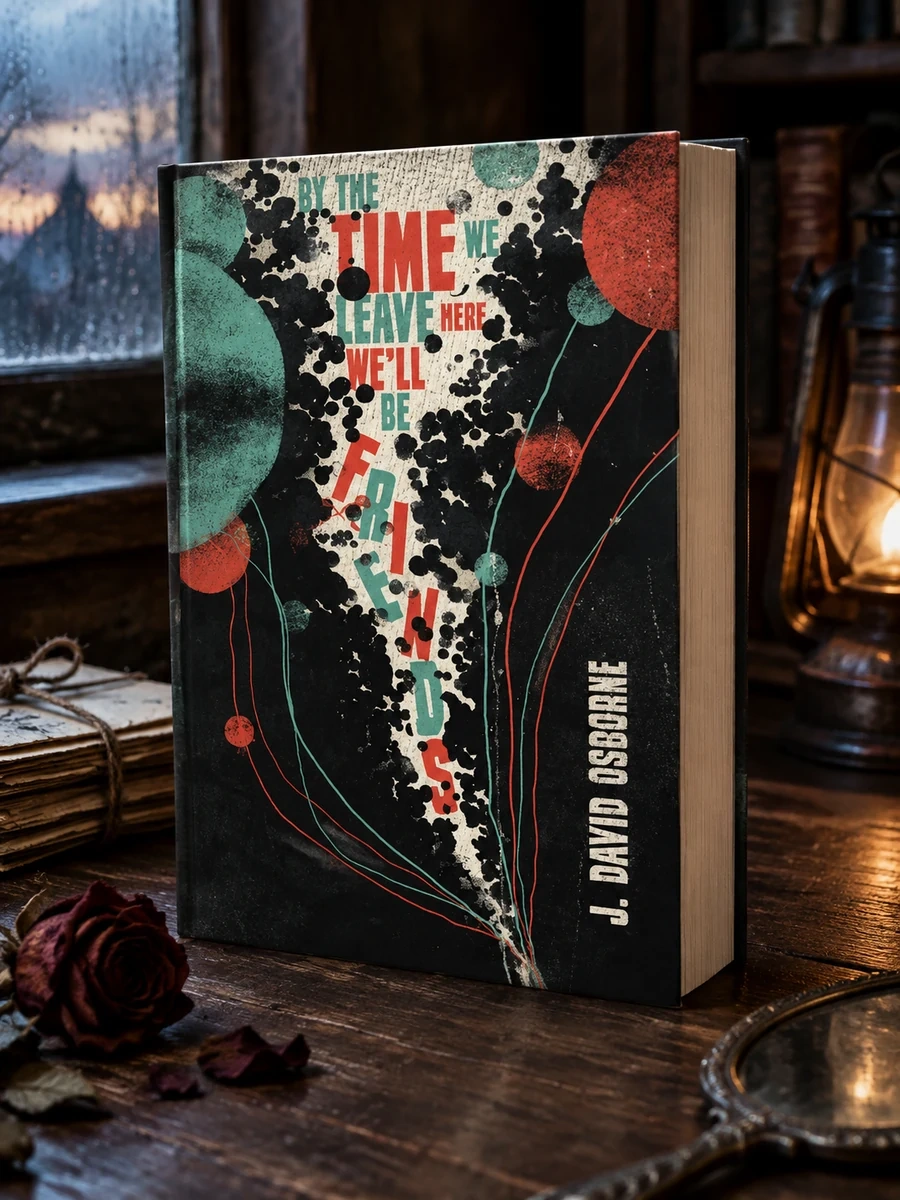
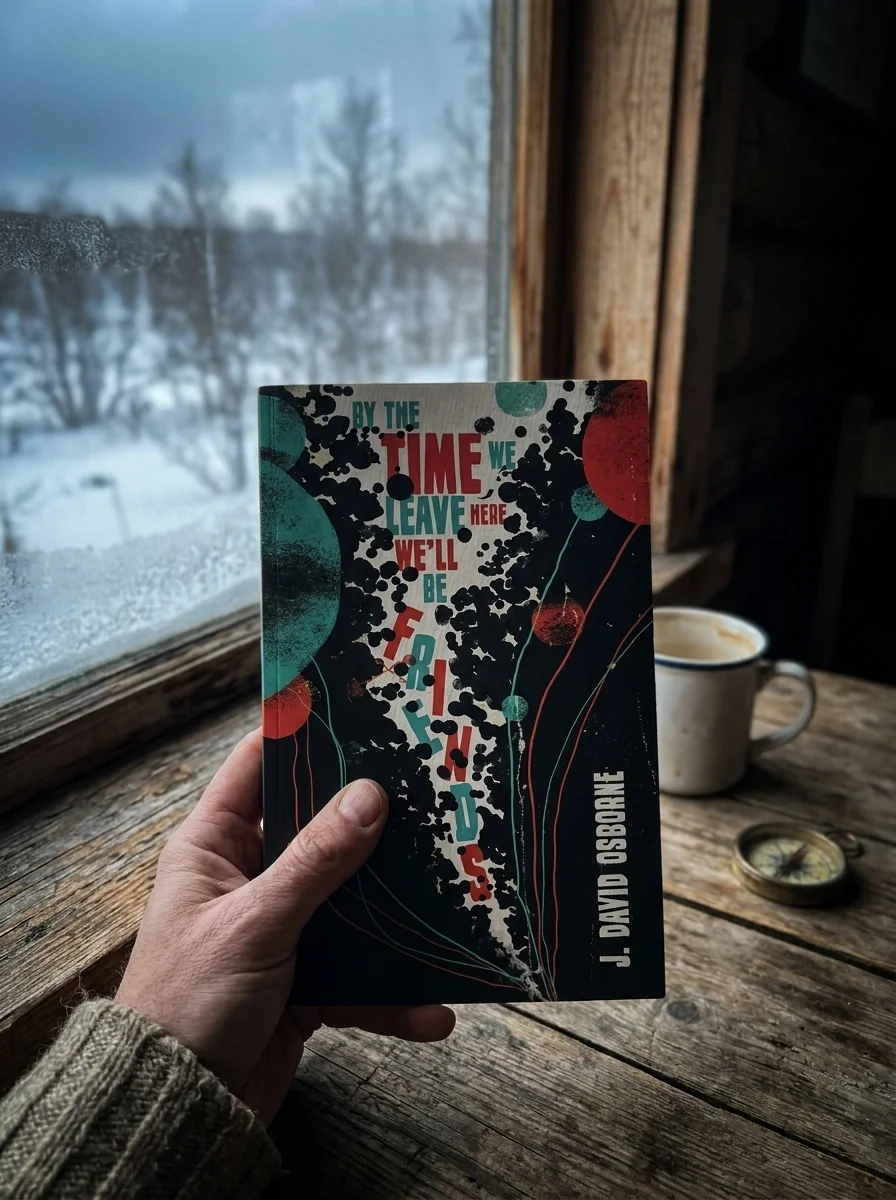

By the Time We Leave Here, We'll Be Friends
A surreal horror novel about prisoners cannibalizing a friend in Siberia
Osborne constructs a chilling tale set in 1952 Russia. Four inmates scheme to escape a gulag overrun by violent gangsters. Their plan requires them to deceive another prisoner into joining their trek across the tundra. This deception is not for camaraderie but for sustenance. When food runs out, they turn on their companion. The narrative relies on meticulous research of the era combined with surreal horror tropes. It avoids standard escape room dynamics in favor of psychological decay. The book captures the paranoia of life under totalitarian rule through a lens of supernatural dread.
The novel is set in 1952, during the height of the Soviet gulag system. It draws on historical accounts of labor camps and the brutal conditions faced by prisoners. The setting reflects the paranoia and violence of mid-century Russian history.


📝 Description: By the Time We Leave Here, We'll Be Friends
💎 Our verdict on By the Time We Leave Here, We'll Be Friends
📖 Why choose it
Why this book is worth reading
Readers who appreciate dense, atmospheric prose and unsettling narrative structures will find this title compelling. It offers a stark exploration of survival where moral resolutions are absent, replaced by calculated cruelty and psychological decay. Those interested in the intersection of historical fiction and body horror will value its meticulous research combined with surreal imagery. The book appeals to audiences seeking a paranoid, cold, and brutal experience that lingers long after reading. It is ideal for fans of dark fantasy who enjoy narratives grounded in real-world terror rather than traditional adventure. The intense discussion surrounding its conclusion makes it a rewarding choice for those willing to engage with difficult themes without the comfort of clear answers or heroic outcomes.
⭐ Reader reviews
Reader rating
Osborne crafts a chilling tale that avoids standard escape dynamics, focusing instead on psychological deterioration and supernatural dread. By blending historical accuracy regarding 1952 Siberian gulags with surreal horror tropes, the novel creates a unique Lynchian nightmare quality. The narrative succeeds in capturing the paranoia of life under totalitarianism through visceral body horror and haunting visuals. It suits readers who enjoy psychological horror grounded in specific historical settings rather than generic supernatural tales. The prose is dense and atmospheric, demanding attention from the audience. While it lacks traditional heroism or moral comfort, its brutal honesty about survival makes it a distinctive entry in the genre. Fans of dark fantasy and cosmic horror will find its unique tone and intense subject matter deeply engaging and memorable.
📖 Read on the blog
🏛 Books from this publisher Broken River Books



You might also like
See more →


Have a question about this item?
Ask about the edition, condition, delivery or anything else — we reply by email or phone, usually within a day.
