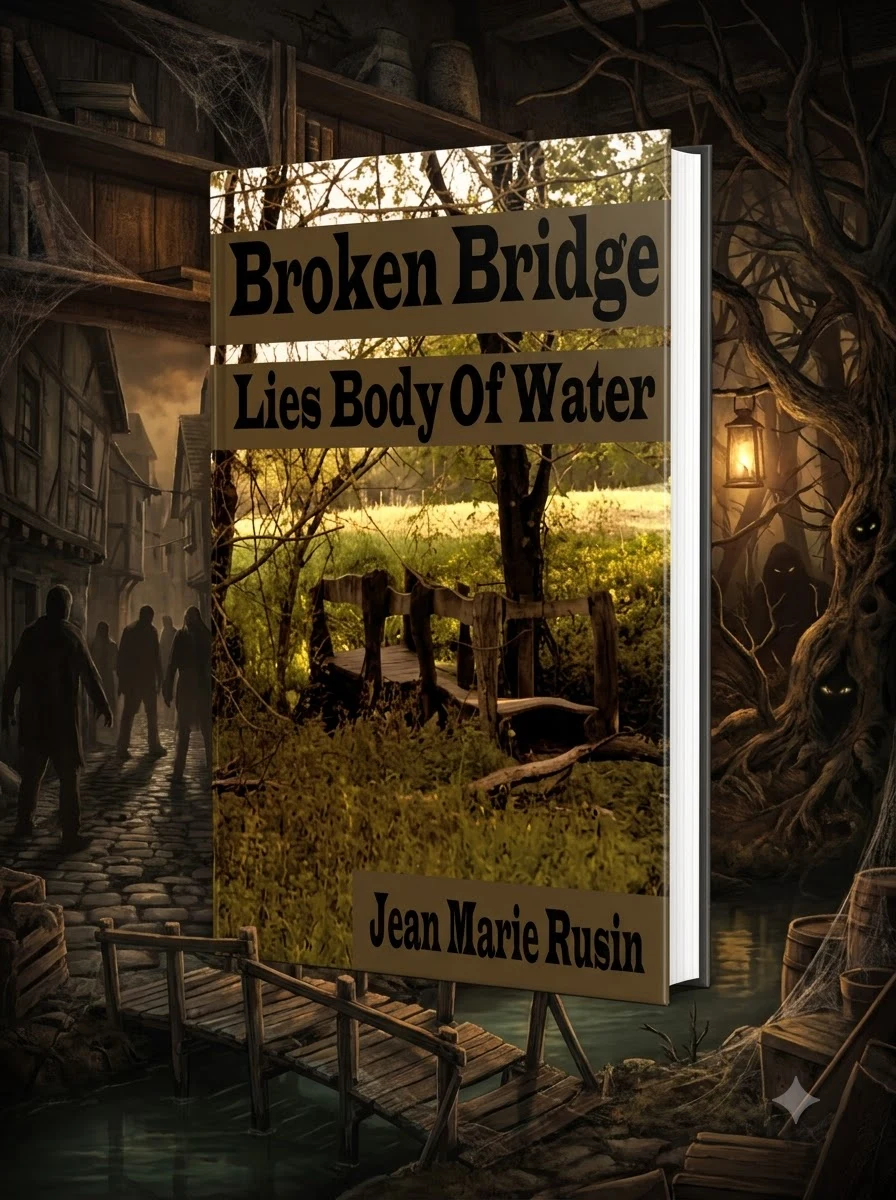
Broken Bridge Lies Body of Water.
A short horror tale about a vanished bridge and a trapped visitor.
The narrative follows a traveler who enters a deserted town on an unlucky day. The silence is broken by the sudden appearance of residents who act as captors. They tie the protagonist up, creating a sense of helplessness. The core conflict arises when the escape route, a bridge, disappears. This forces the character to hide in the surrounding woods until dawn. The story emphasizes the fear of isolation and the loss of familiar landmarks. It reflects traditional superstitions regarding Friday the thirteenth. The ending leaves the fate of the protagonist uncertain, relying on the hope that normalcy will return with the morning light.
This book sits within the tradition of American horror fiction published in 2011. It draws on gothic and supernatural genres to explore themes of entrapment. The narrative relies on classic folklore elements like unlucky dates and disappearing paths. Rusin uses these established tropes to create a sense of immediate dread for modern readers seeking traditional scares.


📝 Description: Broken Bridge Lies Body of Water.
💎 Our verdict on Broken Bridge Lies Body of Water.
📖 Why choose it
Why this book is worth reading
Readers who appreciate compact, atmospheric horror will find this work appealing due to its focus on immediate visceral reactions rather than extensive exposition. It is ideal for those who enjoy short tales of psychological tension and supernatural dread without the need for complex character development. The story offers a pure experience of classic horror tropes, emphasizing the fear of isolation and the loss of familiar landmarks. By relying on simple, direct language to convey panic, it provides an intense, focused read that prioritizes mood and setting over long-term plot resolution, making it perfect for a quick but chilling encounter with the unknown.
⭐ Reader reviews
Reader rating
Rusin effectively constructs a narrative centered on terrifying encounters with the unknown, utilizing the vanished bridge as both literal and metaphorical barrier. The work excels in creating a sense of helplessness through the sudden appearance of hostile residents and the disappearance of escape routes. It suits readers who enjoy short, atmospheric tales that draw on gothic traditions where isolated settings become prisons. While it may not appeal to those seeking complex character arcs or extensive world-building, it delivers immediate tension. The reliance on traditional superstitions enhances the dread, offering a compelling, albeit simple, exploration of fear and entrapment within a classic horror framework.
📖 Read on the blog
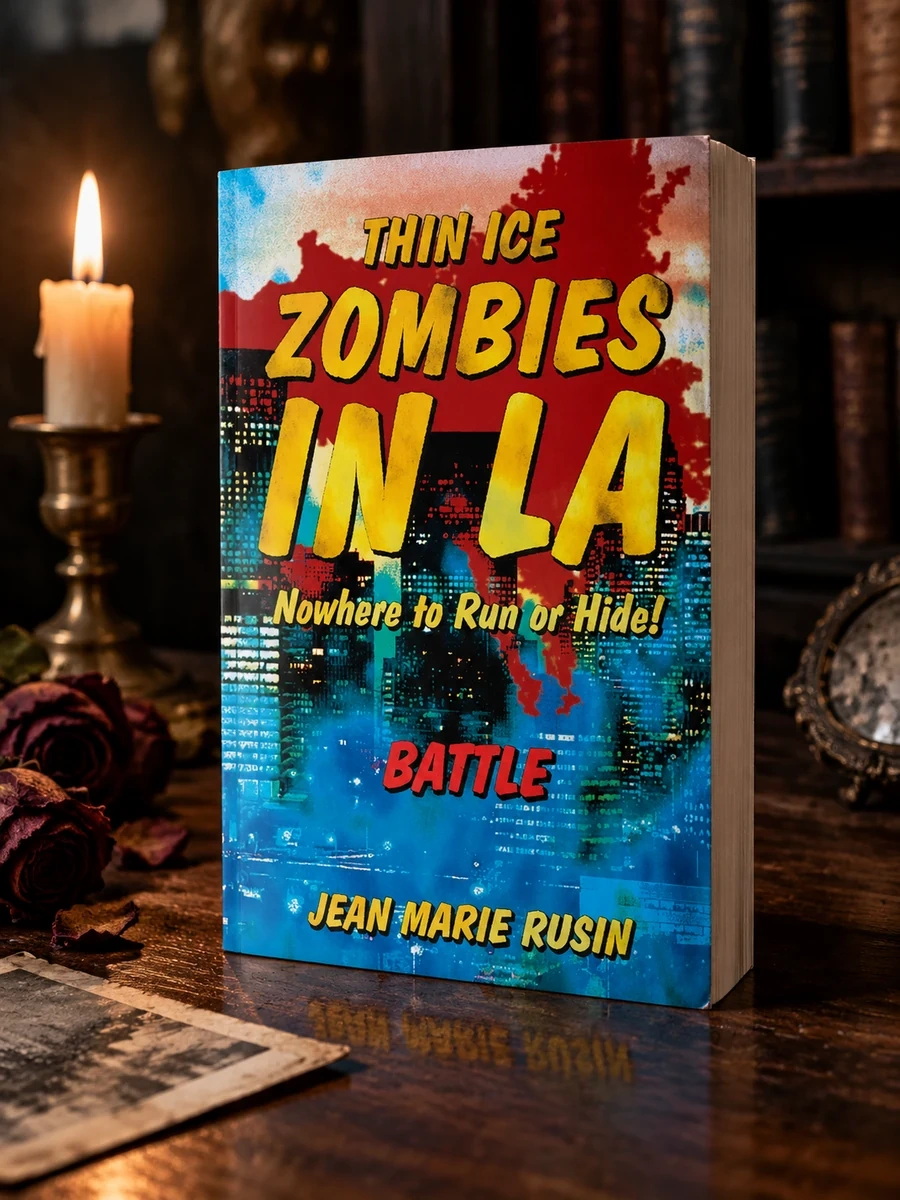
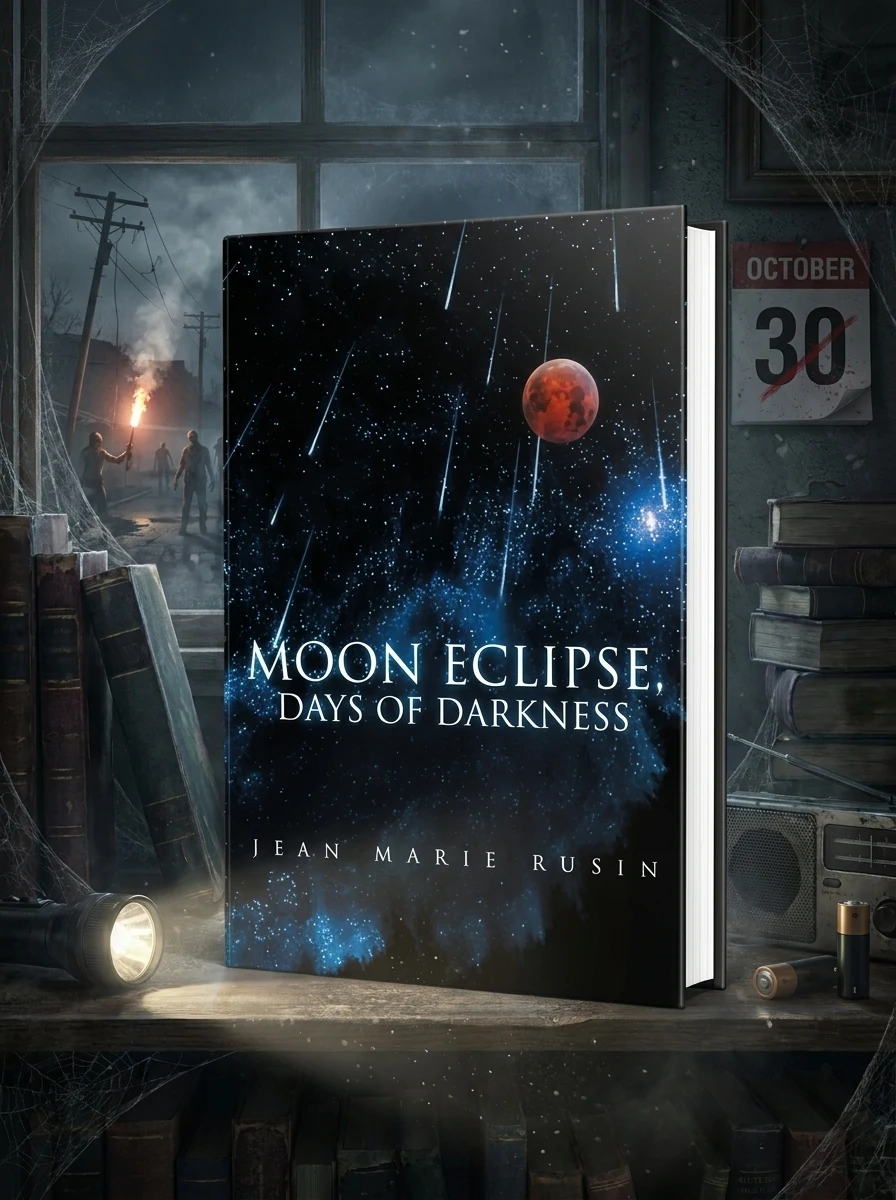
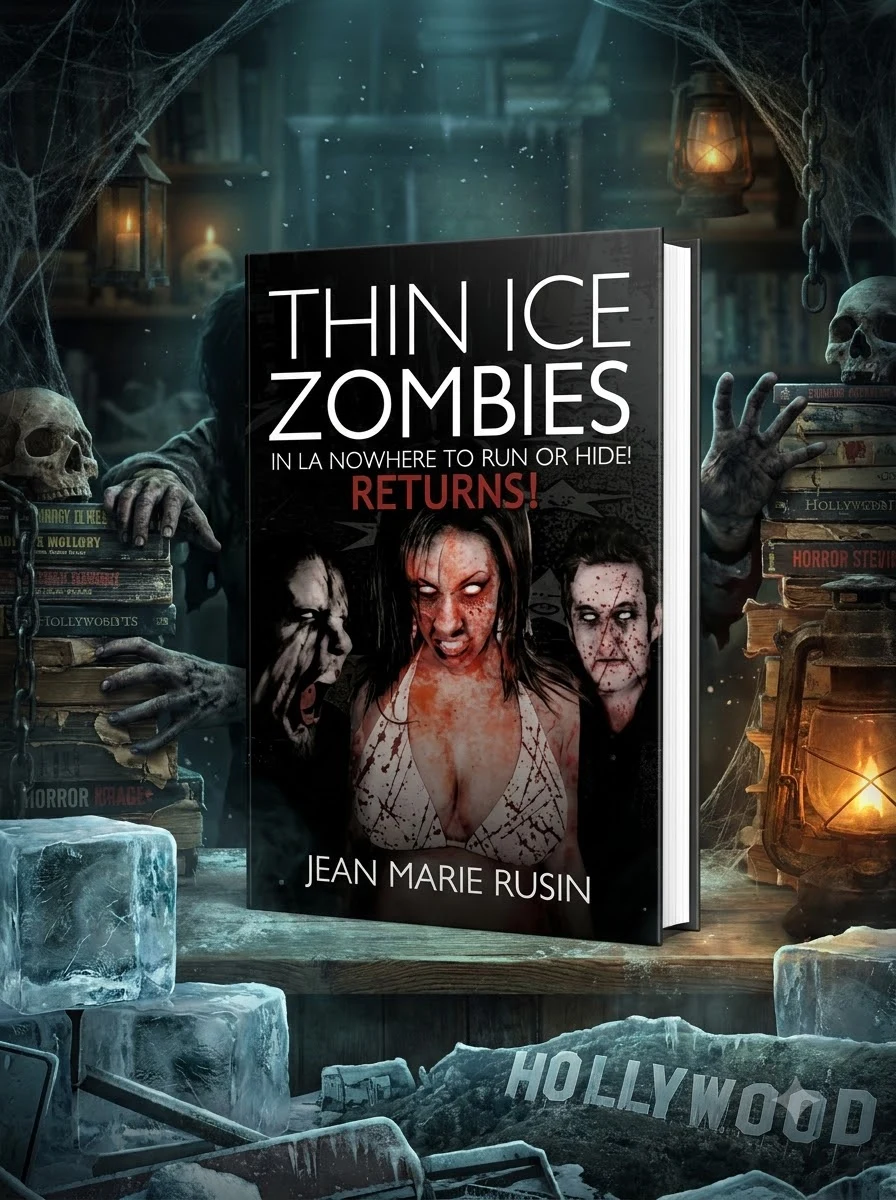
✍️ More books by this author Jean Marie Rusin



🏛 Books from this publisher Authorhouse



You might also like
See more →


Have a question about this item?
Ask about the edition, condition, delivery or anything else — we reply by email or phone, usually within a day.
