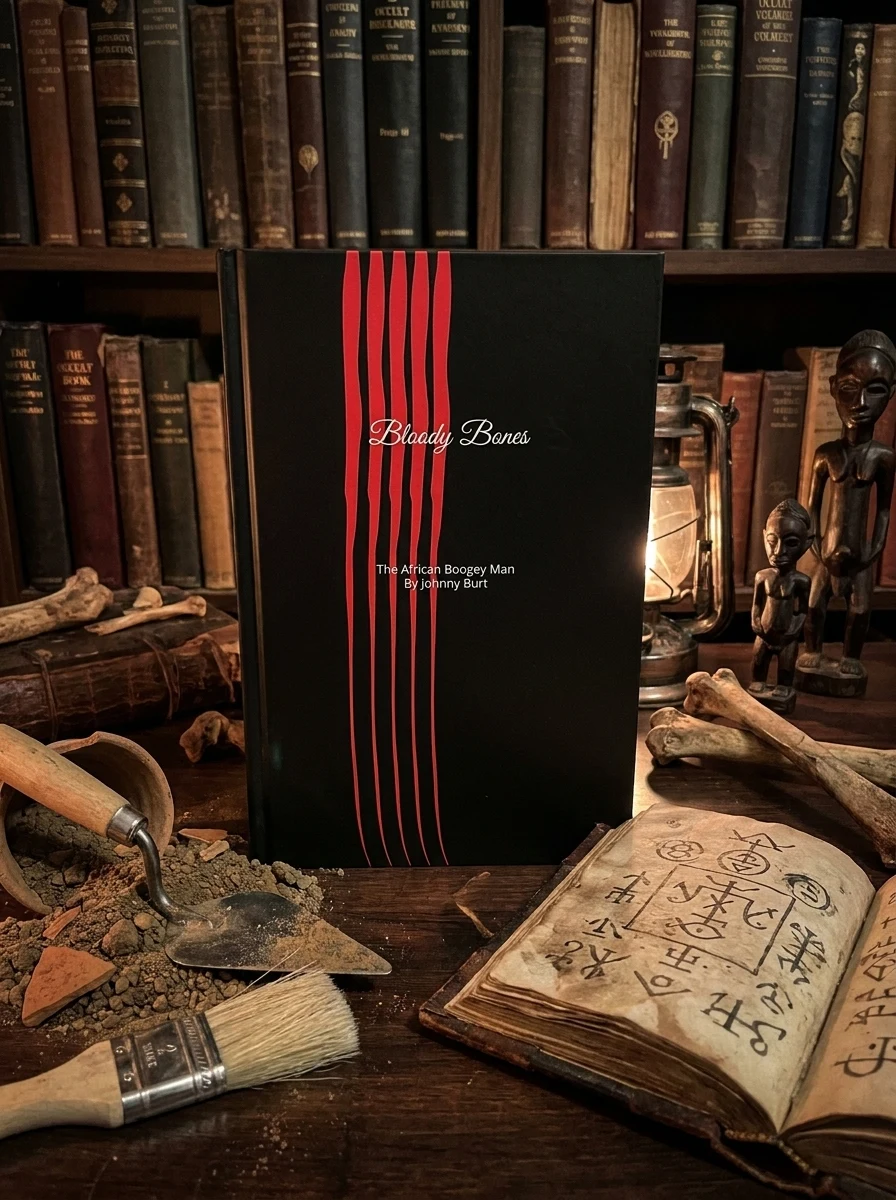
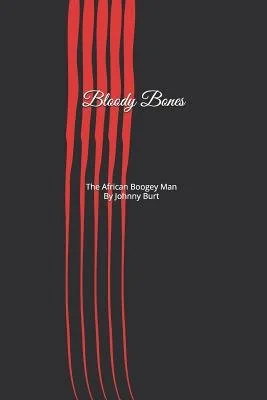
Bloody Bones: The African Boogey Man
A folklore horror novel about an ancient African entity unleashed by modern discovery.
This title reimagines the classic bedtime scare through a supernatural lens. Walker uses the figure of Bloody Bones to explore fears embedded in cultural memory. The plot hinges on the accidental release of a dangerous spirit via archaeological findings. It bridges the gap between oral tradition and written horror fiction. The narrative structure follows the consequences of breaking ancient taboos. Readers experience the tension between skepticism and belief as the myth becomes tangible. The story does not offer easy resolutions but focuses on the immediate threat posed by the unleashed entity.
The work engages with African American children's traditions of using scary stories to enforce bedtime rules. It references ancient African spell books and the figure of Bloody Bones as a cultural boogeyman.


📝 Description: Bloody Bones: The African Boogey Man
💎 Our verdict on Bloody Bones: The African Boogey Man
📖 Why choose it
Why this book is worth reading
This book offers a compelling exploration of how ancient taboos and generational storytelling can manifest as immediate, tangible threats in the modern world. It is ideal for readers who enjoy horror that draws deeply from specific cultural memories and oral traditions rather than generic scares. Those interested in the collision between skepticism and belief will find the narrative tension engaging as a myth becomes reality through archaeological discovery. It provides a fresh perspective on the classic bedtime scare, transforming it into a sophisticated study of fear embedded in cultural history. The story does not offer easy resolutions, focusing instead on the visceral consequences of breaking ancient barriers between legend and reality.
⭐ Reader reviews
Reader rating
Saundra Anne Walker effectively reimagines the classic Boogey Man figure through a supernatural lens rooted in African American folklore. The narrative successfully bridges oral tradition and written horror by depicting the accidental release of an ancient entity via archaeological findings. The tension between skepticism and belief drives the plot, creating a palpable sense of dread as the myth becomes tangible. Walker’s use of generational storytelling frames the horror elements with cultural depth, appealing to those who enjoy stories where ancient myths collide with present-day events. It avoids academic dryness while remaining firmly rooted in its fictional premise, offering a focused and immediate threat rather than complex philosophical debate.
📖 Read on the blog
🏛 Books from this publisher Independently Published








You might also like
See more →

Have a question about this item?
Ask about the edition, condition, delivery or anything else — we reply by email or phone, usually within a day.
