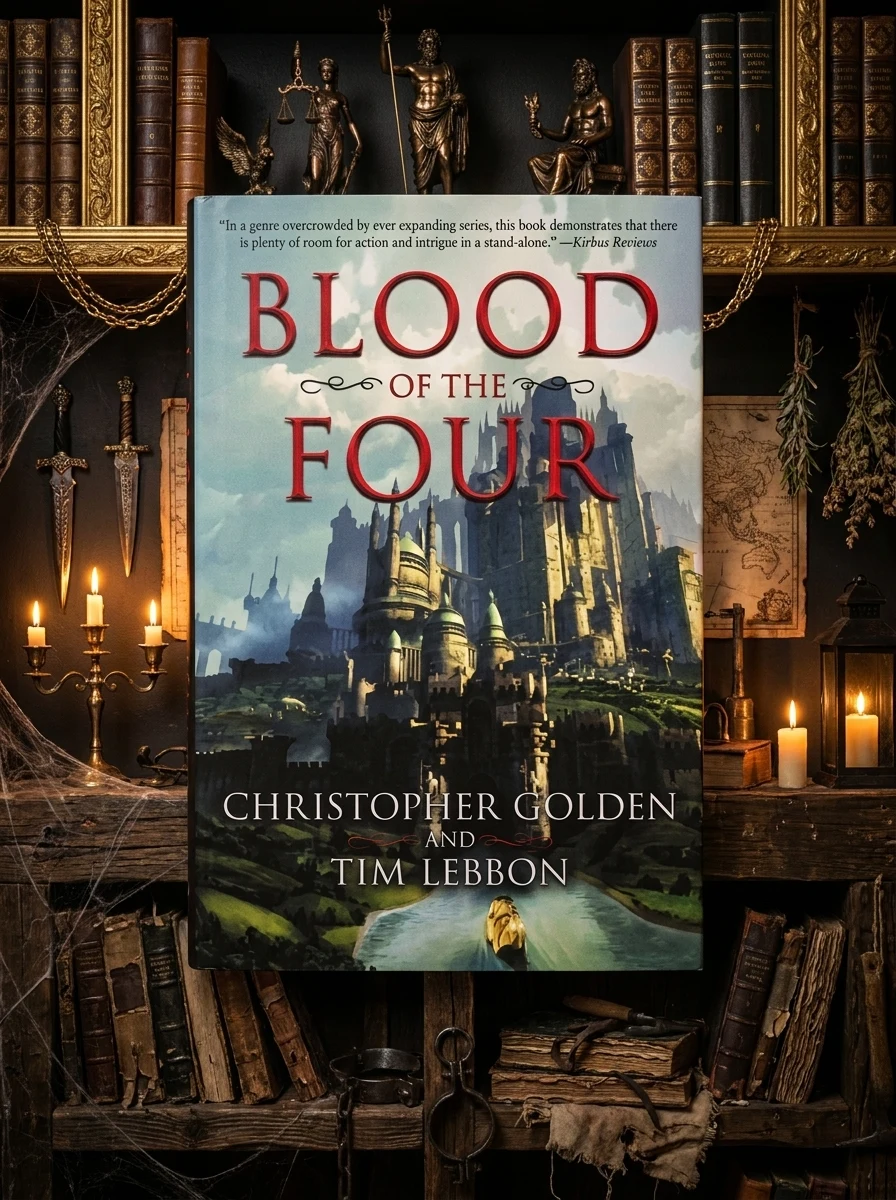

Blood of the Four
A dark fantasy about a princess seeking godhood in a slave society.
The narrative focuses on the structural oppression within Quandis, highlighting the stark divide between the comfortable royal elite and the wretched Bajuman. Golden illustrates how the absence of magic has historically enforced this peace, but Phela’s personal quest for glory begins to unravel these constraints. The story tracks her refusal to accept the limitations placed upon her by family members who hold power, positioning her as a catalyst for potential catastrophe. Her journey is not one of liberation for the oppressed, but of self-aggrandizement that endangers everyone. The text provides a close look at how individual ambition can destabilize an entire kingdom's social order.
The story is set in the fictional kingdom of Quandis, drawing on fantasy traditions that explore themes of slavery, divine right, and class struggle. It presents a world where gods hold sway over mortals, and social status is determined by birth and proximity to power rather than merit or ability.


📝 Description: Blood of the Four
💎 Our verdict on Blood of the Four
📖 Why choose it
Why this book is worth reading
Readers drawn to complex political intrigue and morally ambiguous protagonists will find this narrative compelling. It appeals to those who enjoy high fantasy settings that deconstruct traditional heroism, focusing instead on self-aggrandizement and the destabilization of established hierarchies. The book offers a grim examination of power dynamics, making it suitable for audiences interested in the psychological costs of ambition and the rigid class systems that define its world. It is ideal for fans who prefer stories where magic carries heavy consequences and societal structures are defined by absolute servitude rather than liberation.
⭐ Reader reviews
Reader rating
Golden delivers a stark exploration of oppression and divine ambition within the kingdom of Quandis. The narrative effectively contrasts the privileged elite with the brutal existence of the Bajuman caste, highlighting how the absence of magic historically enforced peace. Phela’s refusal to accept limitations serves as a potent catalyst for catastrophe, illustrating how individual desire can unravel social order. While not a tale of liberation, it provides a critical look at unchecked ambition. The work suits readers seeking political depth in dark fantasy, though those expecting lighthearted adventure or freely accessible magic may find the tone too grim and restrictive.
📖 Read on the blog
✍️ More books by this author Christopher Golden








🏛 Books from this publisher Harper Voyager





You might also like
See more →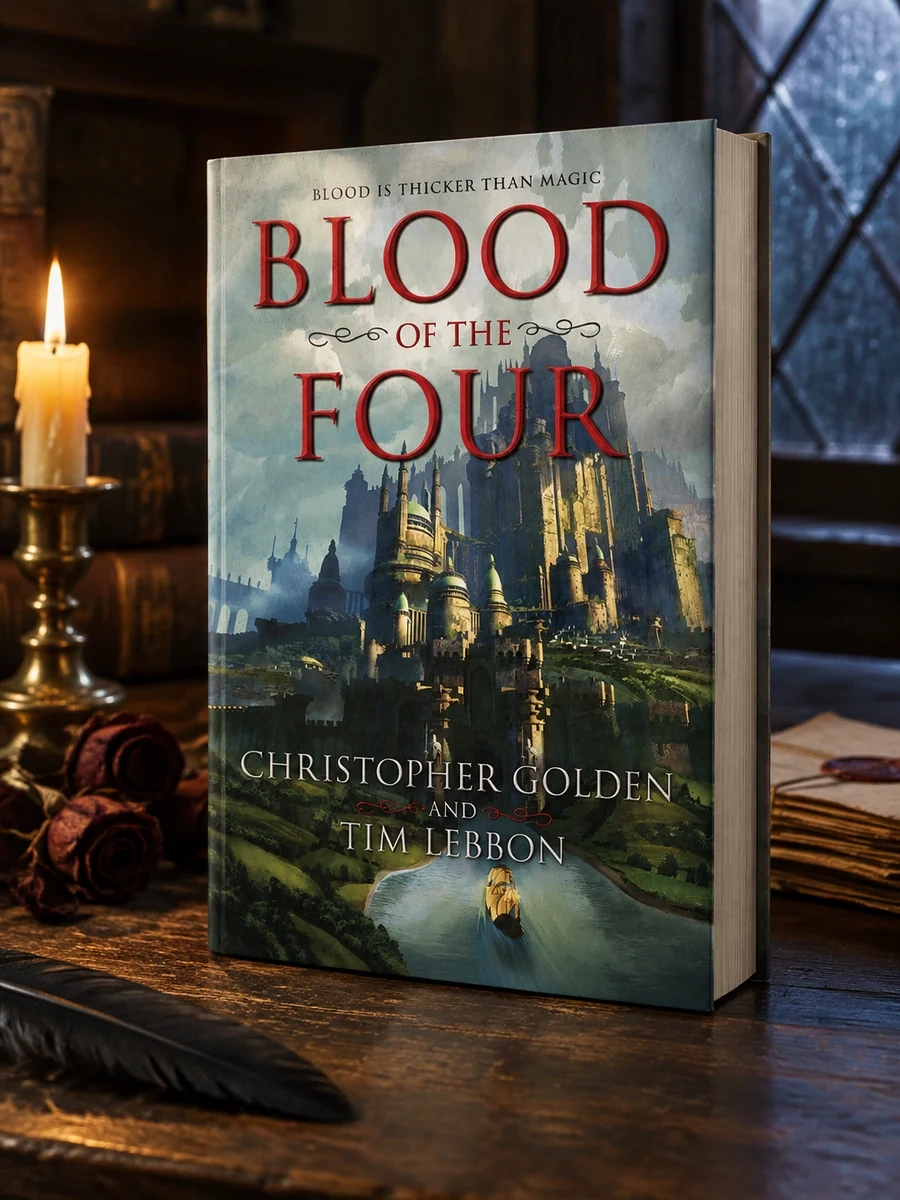





Have a question about this item?
Ask about the edition, condition, delivery or anything else — we reply by email or phone, usually within a day.
