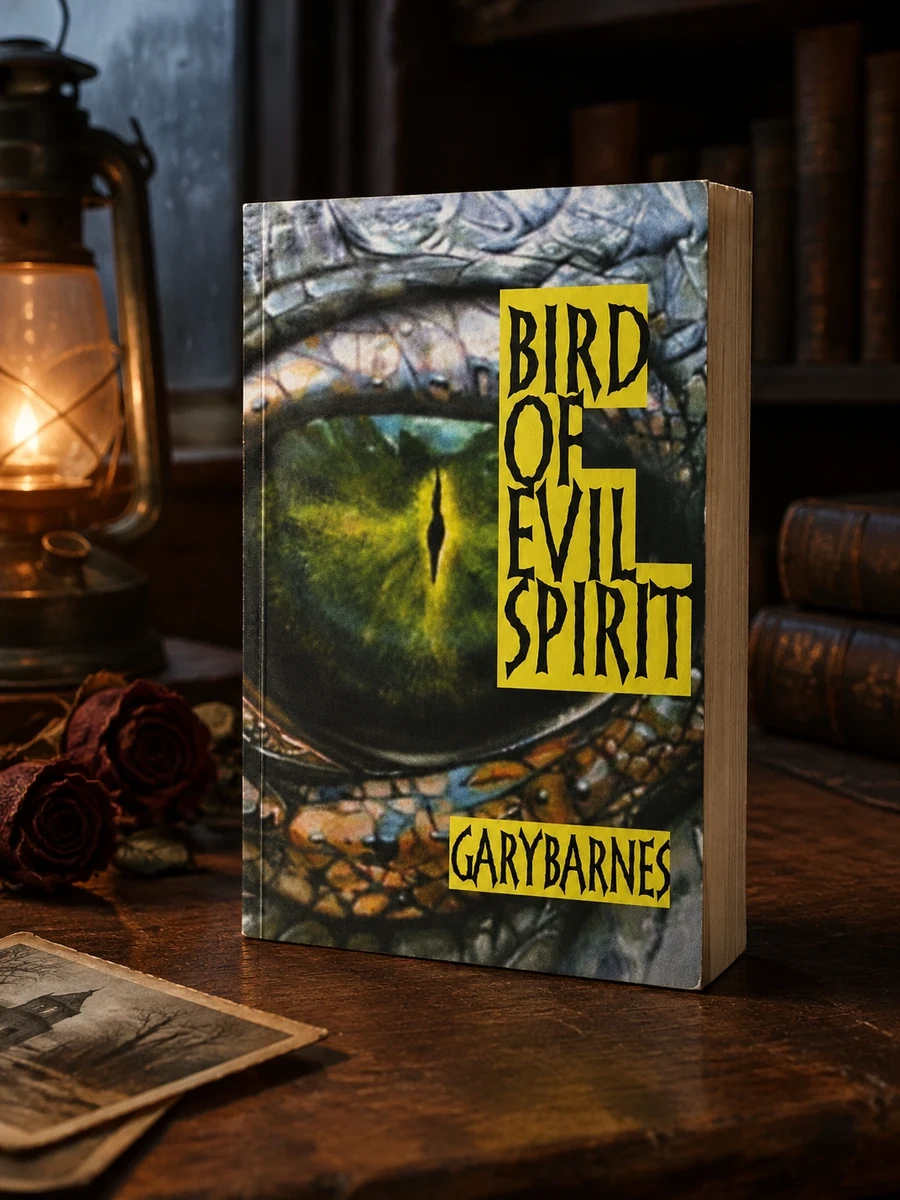
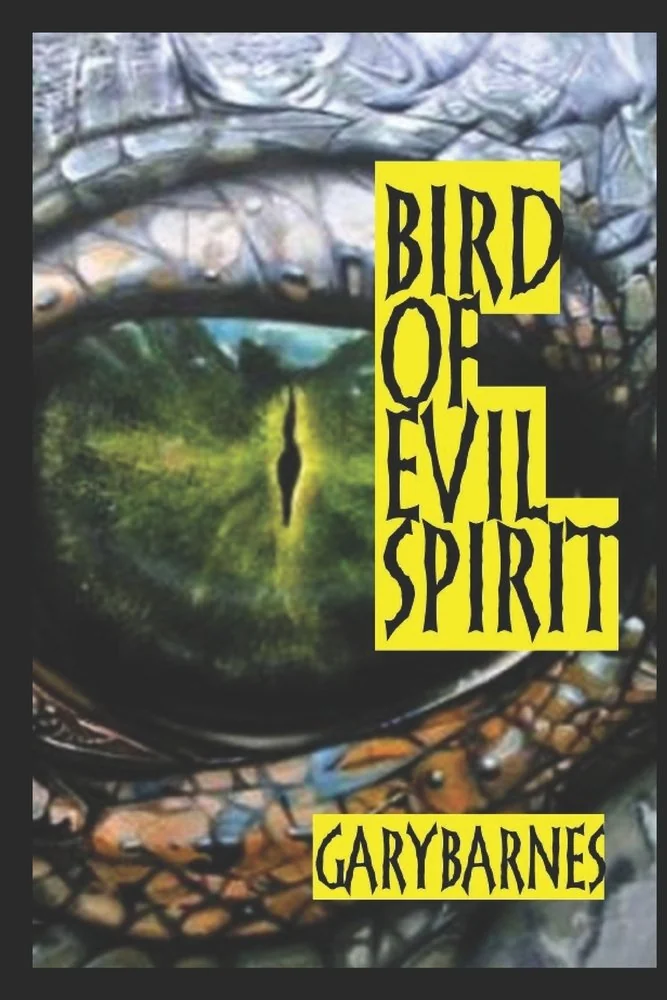
Bird of Evil Spirit
A dual-timeline horror novel linking 1993 floods to ancient Cahokian destruction via a mythical bird.
The narrative operates on two parallel tracks that eventually collide. One timeline focuses on the aftermath of a major flood in Grafton, Illinois. The other details the collapse of the Cahokian mound builder civilization. Janet Harris serves as the bridge between these worlds through her study of artifacts. Her work uncovers secrets left by Sun Chief Owantoga. These discoveries allow the Piasa to move across time. The book examines how a single predator can cause equivalent devastation in different centuries. It explores the vulnerability of communities facing both natural and supernatural forces.
The story draws on the history of the Cahokian mound builder civilization and the Great Flood of 1993 in Grafton, Illinois. It utilizes local folklore surrounding the Bird of Evil Spirit to connect ancient myths with modern American regional history.


📝 Description: Bird of Evil Spirit
💎 Our verdict on Bird of Evil Spirit
📖 Why choose it
Why this book is worth reading
Readers who appreciate supernatural horror rooted in specific regional folklore will find this narrative compelling. The book offers a unique exploration of how ancient evils can intersect with contemporary disasters, providing a tense atmosphere through its dual-timeline structure. Those interested in archaeological mysteries and the vulnerability of communities facing both natural and supernatural forces will gain from this perspective. It is ideal for fans who enjoy stories where historical depth meets speculative horror, allowing them to witness how a single predatory entity causes equivalent devastation across different centuries.
⭐ Reader reviews
Reader rating
Gary Barnes constructs a formidable dual-timeline narrative that effectively links the aftermath of the Grafton floods with the collapse of the Cahokian civilization. The integration of the Piasa bird myth creates a chilling sense of inevitability as the predator moves across time. The prose establishes a tense atmosphere by grounding speculative elements in specific regional history and archaeological detail. This approach appeals strongly to readers who enjoy psychological horror and cosmic dread within a structured mystery. While not suitable for those seeking pure historical fiction, the book succeeds in creating a cohesive and terrifying experience for fans of dark fantasy and folklore-based horror.
📖 Read on the blog
✍️ More books by this author Gary Barnes


🏛 Books from this publisher Independently Published






You might also like
See more →


Have a question about this item?
Ask about the edition, condition, delivery or anything else — we reply by email or phone, usually within a day.
