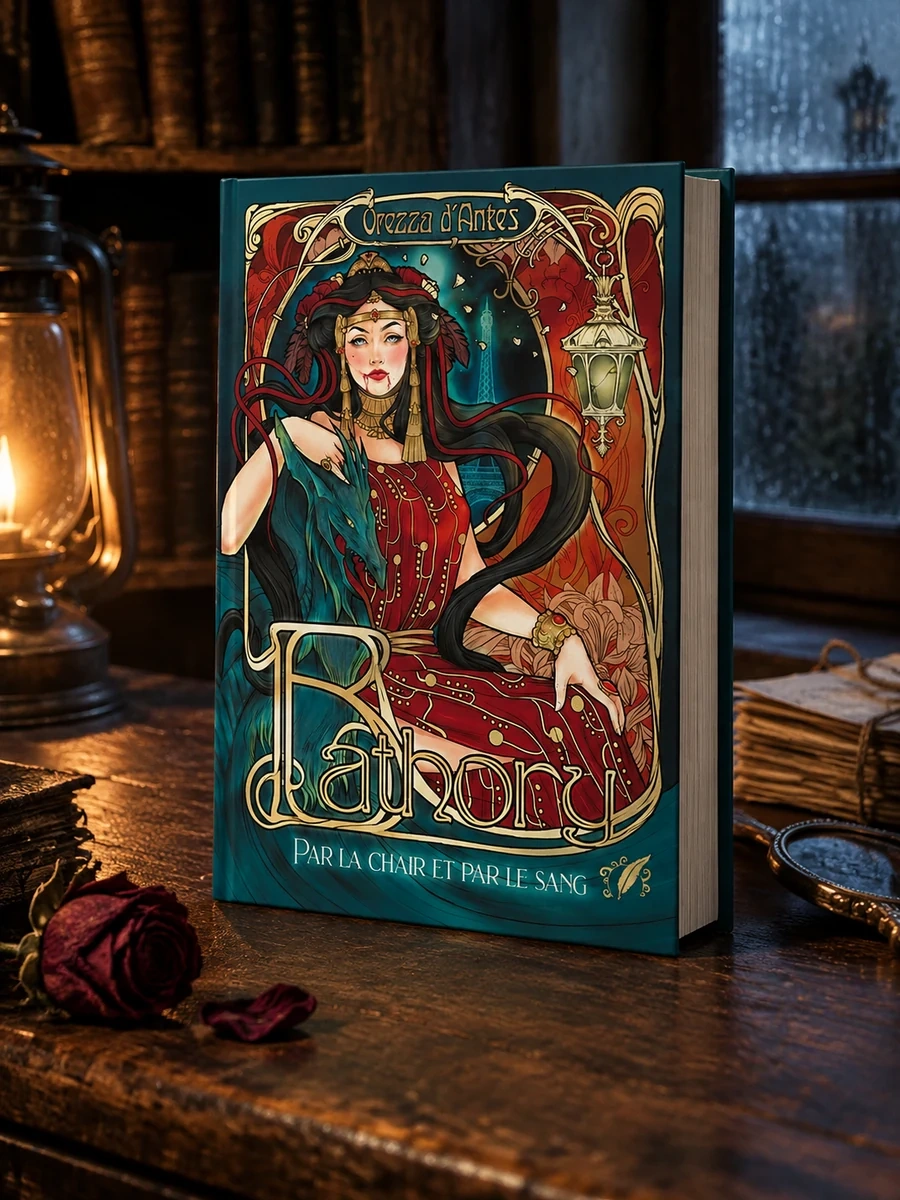
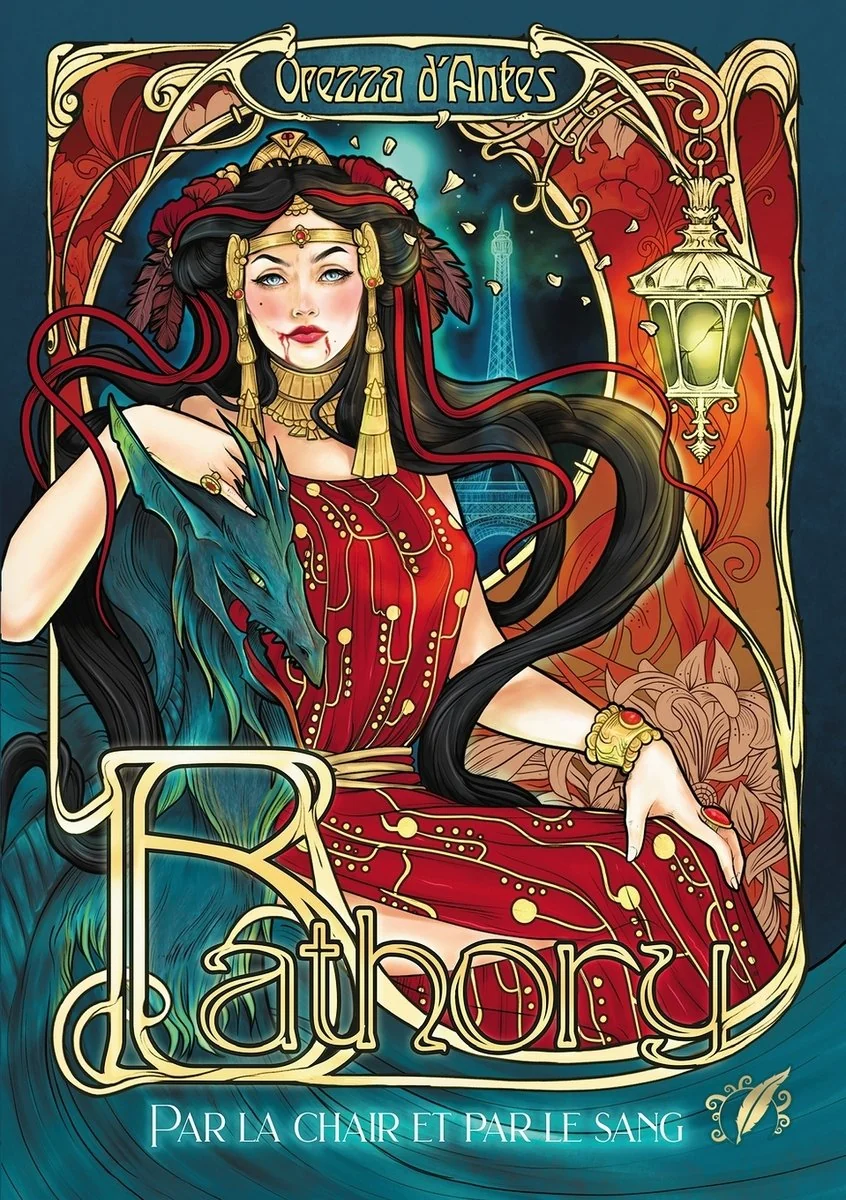
Bathory: par la chair et par le sang
A countess haunts Paris with blood-drinking dreams in this 1898 gothic tale.
The narrative follows Lord Sandingham as he navigates his obsession with Elizabetha Bathory. His physical decline is initially dismissed as a side effect of opium use. The author uses the contrast between his waking denial and his nocturnal terror to build suspense. The story explores the erosion of sanity when faced with an inexplicable threat. Sandingham's inability to find evidence of his injuries highlights the psychological horror at play. The plot moves from attraction to dread as his perception of reality fractures. D'Antes focuses on the internal experience of the victim rather than external action.
The story is set in Paris during the winter of 1898. It draws on gothic traditions featuring a Hungarian noblewoman. The narrative reflects late nineteenth-century European fascination with the supernatural and exotic figures.


📝 Description: Bathory: par la chair et par le sang
💎 Our verdict on Bathory: par la chair et par le sang
📖 Why choose it
Why this book is worth reading
Readers who appreciate atmospheric dread and psychological horror will find this narrative deeply engaging. It appeals to those interested in gothic fiction where the terror stems from internal disintegration rather than external action. The book is ideal for audiences who enjoy exploring the friction between skepticism and supernatural belief. By focusing on the victim's perspective, it offers a nuanced look at how obsession and fear can fracture reality. Those who prefer lingering, unseen threats over explicit gore will appreciate the subtle construction of suspense.
⭐ Reader reviews
Reader rating
D'Antes crafts a compelling tale of psychological erosion set against the backdrop of 1898 Paris. The narrative excels in building tension through the protagonist's gradual loss of grip on reality. By contrasting waking denial with nocturnal terror, the author creates a pervasive sense of unease that lingers long after the dreams end. The focus on internal experience rather than plot mechanics defines its strength. While it may disappoint those seeking historical accuracy or fast-paced action, it succeeds brilliantly as a study of madness. The atmospheric dread is palpable, making it a suitable choice for connoisseurs of gothic literature who value mood and psychological depth over conventional storytelling resolutions.
📖 Read on the blog
✍️ More books by this author Orezza D'Antes



🏛 Books from this publisher Editions Octoquill


You might also like
See more →
Have a question about this item?
Ask about the edition, condition, delivery or anything else — we reply by email or phone, usually within a day.
