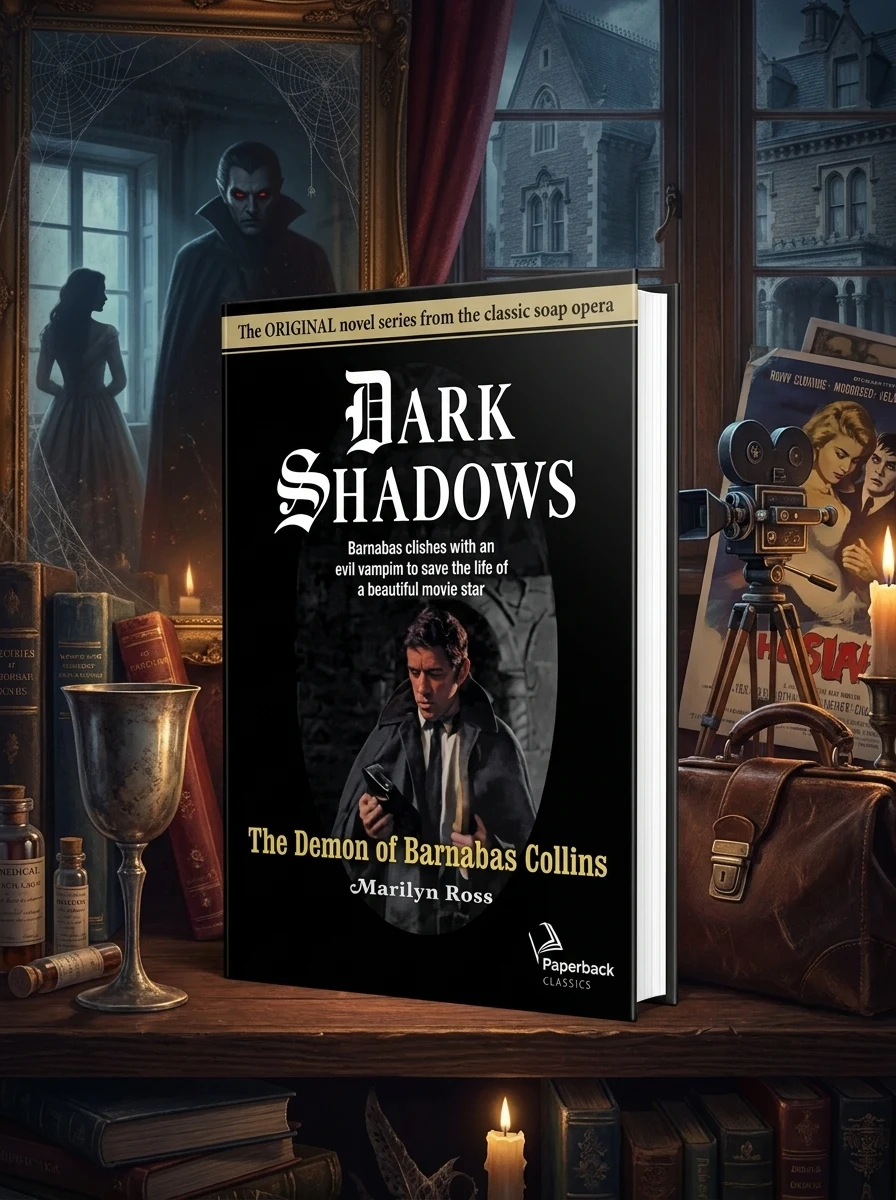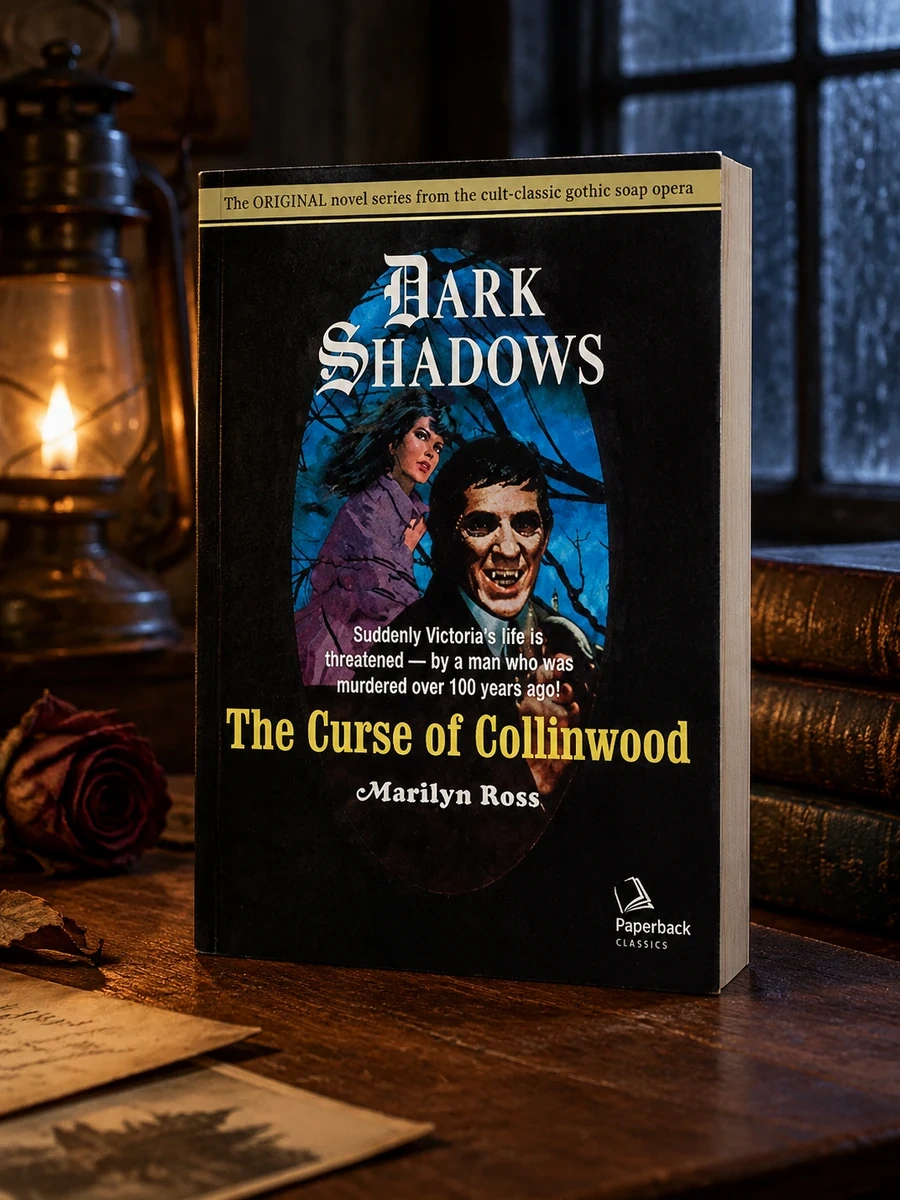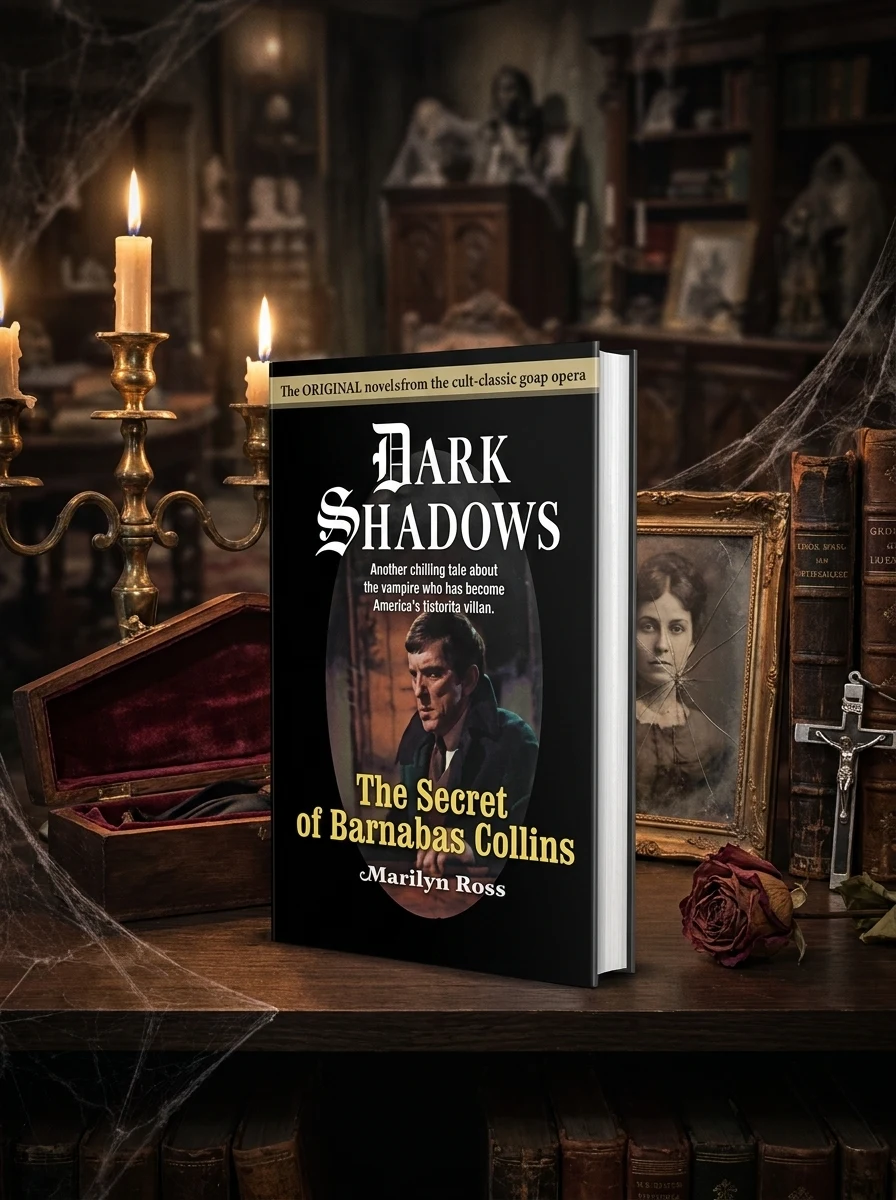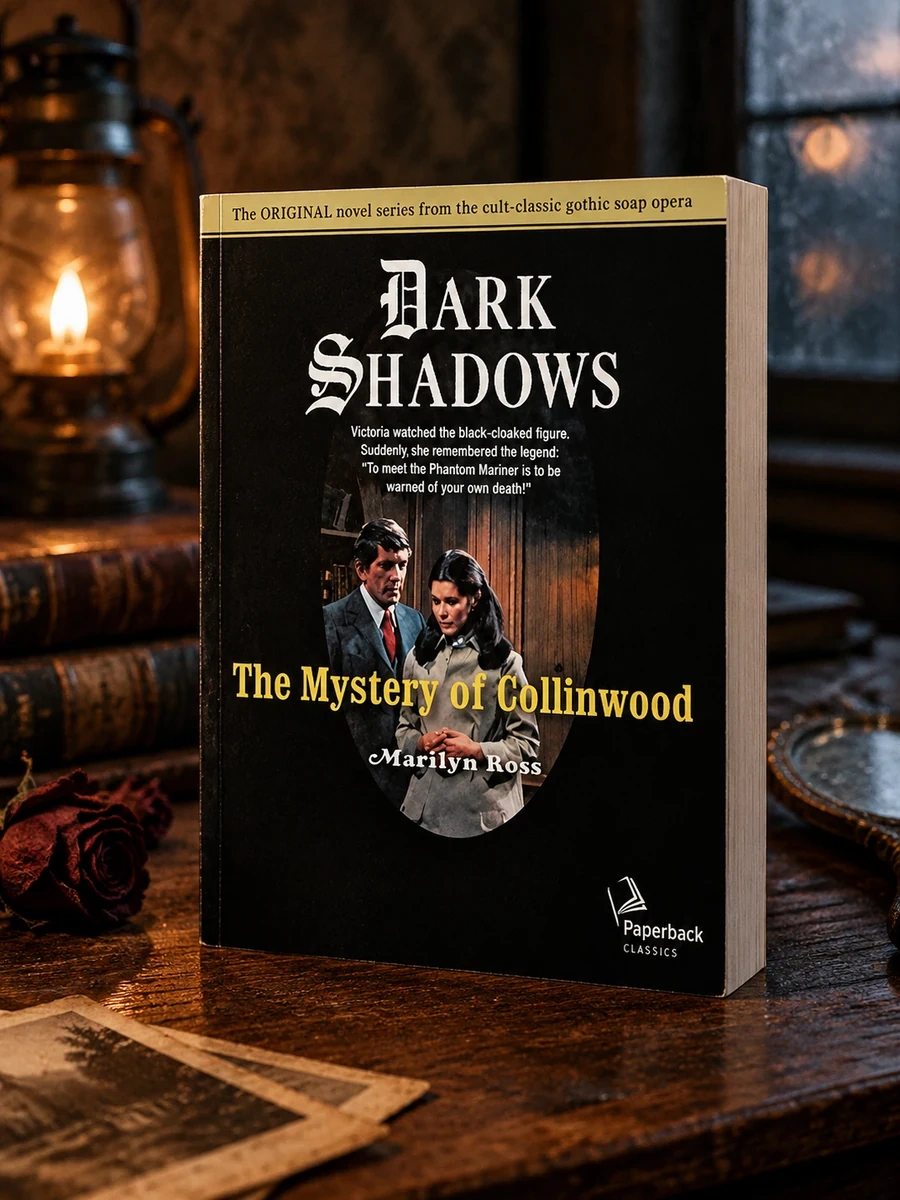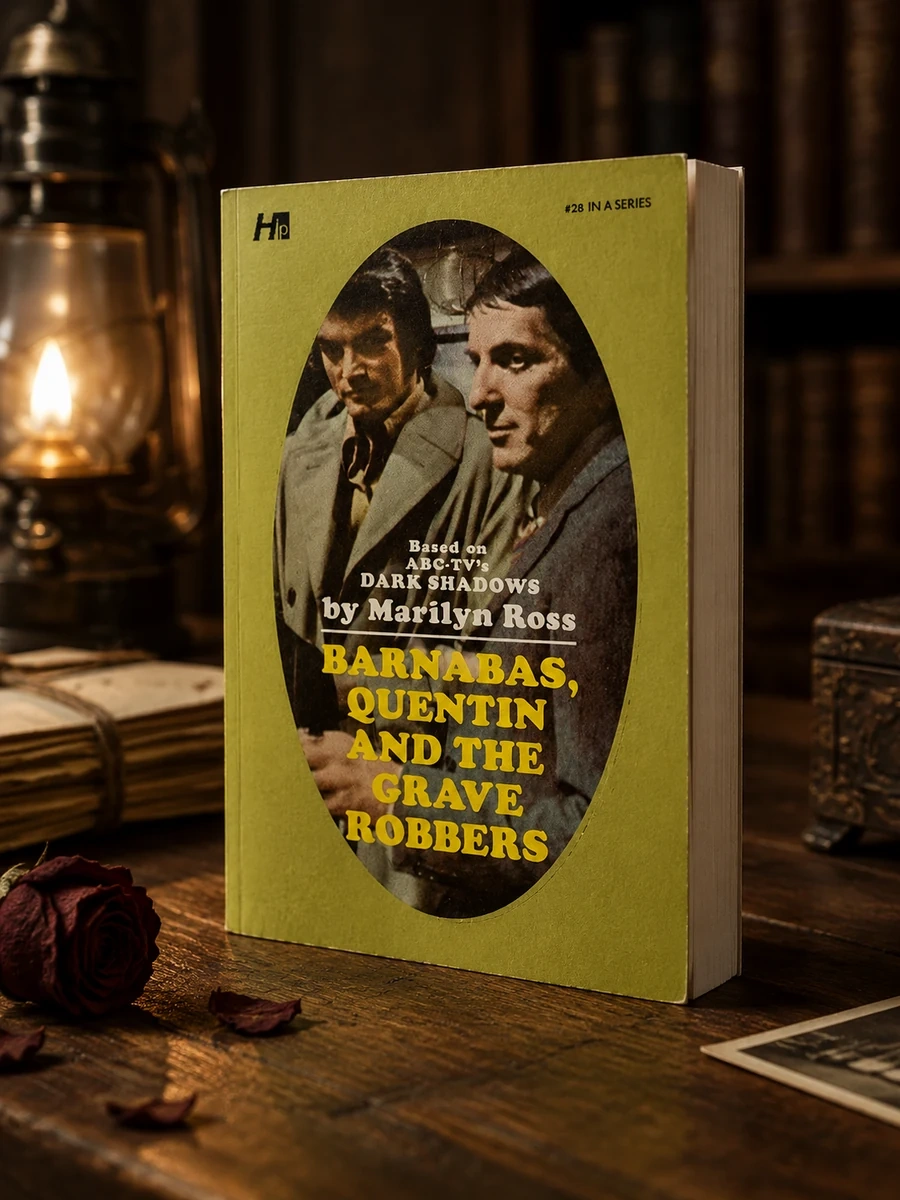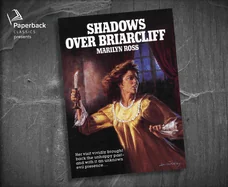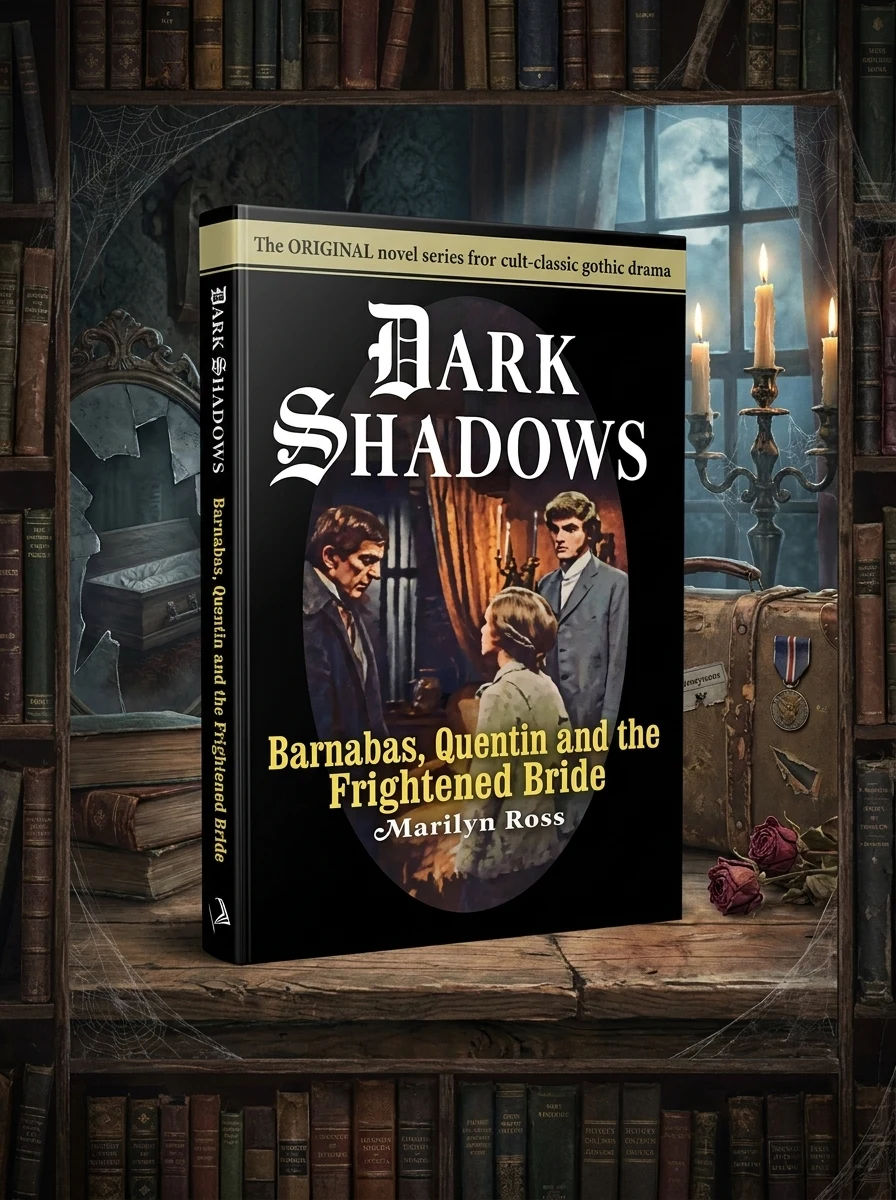
Barnabas, Quentin and the Frightened Bride: Volume 22
A 1970s gothic novel about a honeymoon turned nightmare at Collinwood.
Ross explores the fragile boundary between sanity and madness through John’s war trauma. The text examines how isolation amplifies fear within a marriage. Ann’s vulnerability is exploited by supernatural entities disguised as helpers. The story highlights the danger of trusting strangers in isolated settings. It reflects 1970s paperback conventions where personal horror intersects with family secrets.
Published by Paperback Classics in June 2020, this edition revives a October 1970 story. It sits within the tradition of American gothic paperback fiction. The narrative draws on mid-century tropes of haunted estates and supernatural threats.


📝 Description: Barnabas, Quentin and the Frightened Bride: Volume 22
💎 Our verdict on Barnabas, Quentin and the Frightened Bride: Volume 22
📖 Why choose it
Why this book is worth reading
This volume is ideal for readers who enjoy classic American gothic fiction with a focus on domestic tension and vampire lore. It appeals to those interested in mid-twentieth-century paperback classics that blend romance with horror elements. The narrative structure follows the couple’s descent into paranoia rather than offering historical analysis or academic critique. Readers seeking modern, fast-paced thrillers may find the pacing deliberate. Those who prefer straightforward action over psychological dread might look elsewhere. However, fans of atmospheric storytelling and the fragile boundary between sanity and madness will appreciate how isolation amplifies fear within a marriage. The text examines how vulnerability is exploited by supernatural entities disguised as helpers, highlighting the danger of trusting strangers in isolated settings.
⭐ Reader reviews
Reader rating
Ross explores the fragile boundary between sanity and madness through John’s war trauma, creating a tense marital dynamic rooted in irrational jealousy. Ann faces physical threats that make her fear for her life, while John accuses her of loving Barnabas Collins. This decision places her directly in the path of evil forces residing at Collinwood. The plot relies on Gothic traditions of haunted houses and supernatural predation. It appeals to those interested in mid-twentieth-century paperback classics that blend romance with horror elements. The narrative structure follows the couple’s descent into paranoia rather than offering historical analysis or academic critique. Readers seeking modern, fast-paced thrillers may find the pacing deliberate. Those who prefer straightforward action over psychological dread might look elsewhere.