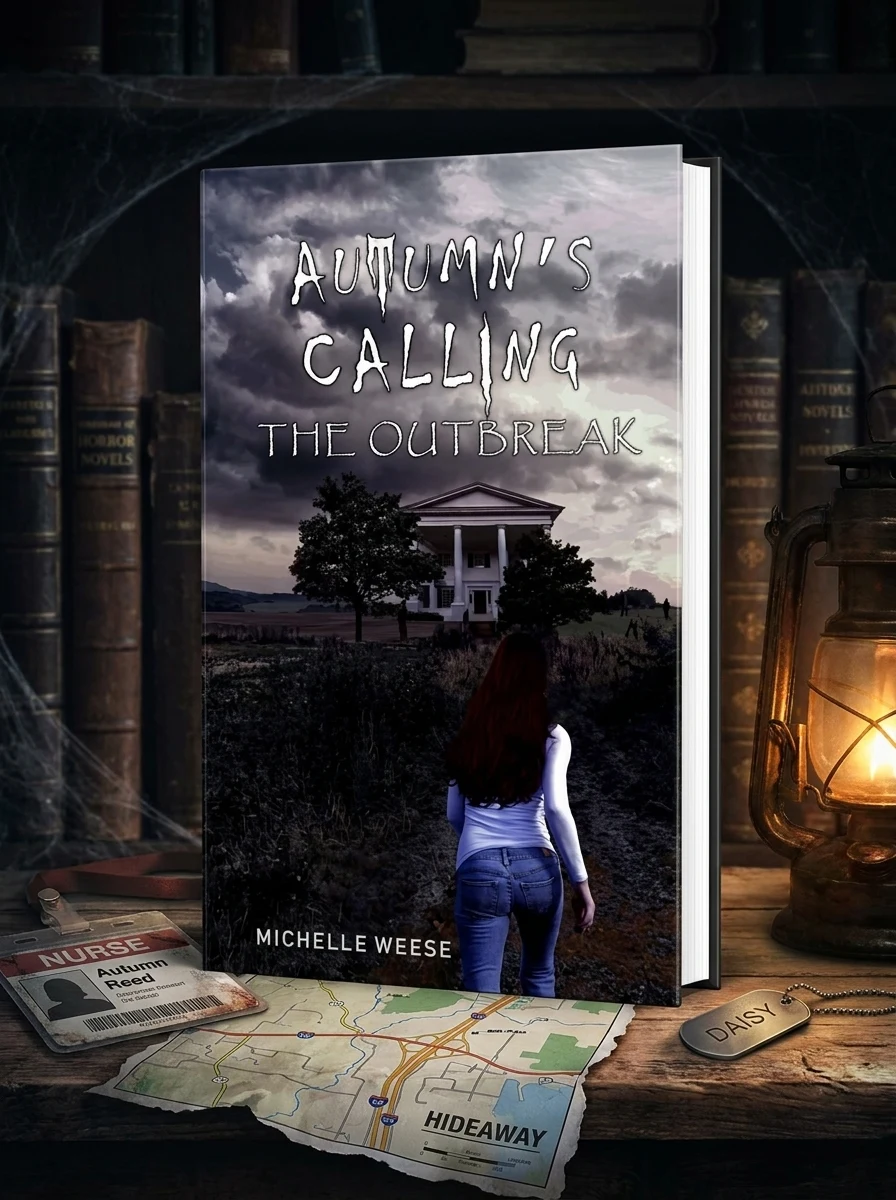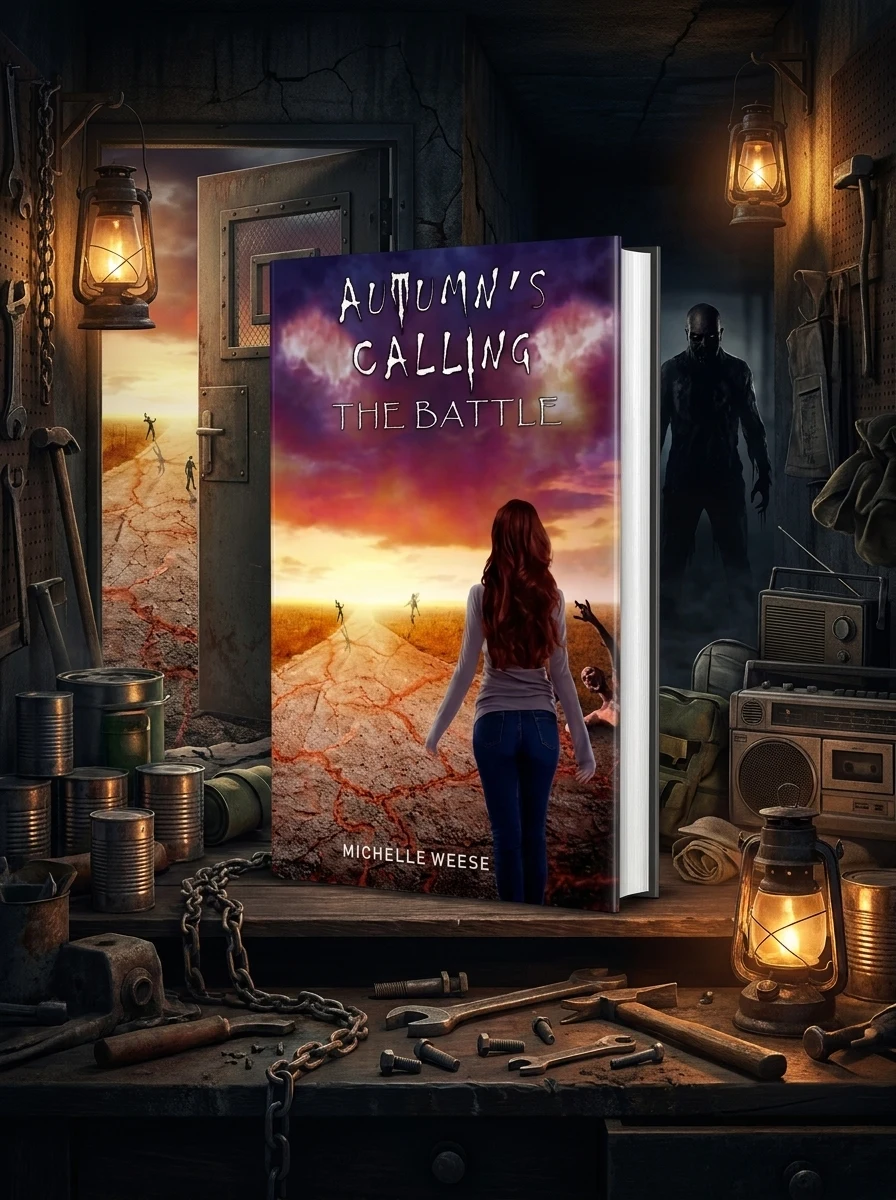
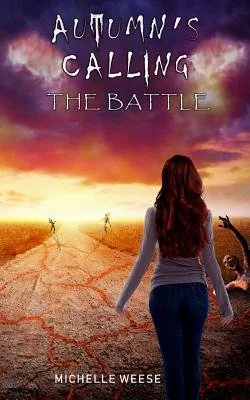
Autumn's Calling: The Battle
A post-apocalyptic tale of betrayal and supernatural horror centered on a captive woman.
Autumn's life changes when she saves Alastor, only to learn he is the greater threat. This book examines the consequences of misplaced trust in a world overrun by flesh-eaters. Weese focuses on the psychological unraveling of Autumn as she confronts her captor. The narrative avoids typical rescue tropes, instead highlighting the horror of discovery. It appeals to fans of slow-burn suspense and supernatural intrigue. The story is not for readers who dislike emotional distress or complex villain dynamics.
This work sits within the contemporary independent horror fiction market, published in 2018. It reflects the enduring popularity of virus-outbreak narratives and isolated safe-house settings in modern genre literature.


📝 Description: Autumn's Calling: The Battle
💎 Our verdict on Autumn's Calling: The Battle
📖 Why choose it
Why this book is worth reading
Readers who appreciate slow-burn suspense and supernatural intrigue will find this narrative compelling due to its focus on psychological unraveling rather than external combat. The book offers a deep dive into the consequences of misplaced trust, appealing to those interested in complex villain dynamics and emotional distress. It is ideal for fans of character-driven horror who enjoy discovering hidden worlds and confronting the terror of betrayal within a confined, isolated setting. Those seeking a grounded exploration of isolation and the desperate attempt to escape evil forces will gain satisfaction from the tension built through Autumn’s internal struggle and physical captivity.
⭐ Reader reviews
Reader rating
Weese effectively shifts the narrative from domestic survival to psychological horror, creating a tense atmosphere where the real threat is human betrayal rather than just the apocalypse. The story succeeds in avoiding typical rescue tropes, instead highlighting the horror of discovery as Autumn confronts her captor's sinister intentions. This approach suits readers who prefer character-driven horror with supernatural mystery over fast-paced action or traditional zombie gore. The grounded setting emphasizes isolation, making the psychological stakes feel immediate and personal. While it may not appeal to those seeking easy resolutions, the focus on trust and betrayal provides a compelling, albeit distressing, examination of survival in a world overrun by flesh-eaters.