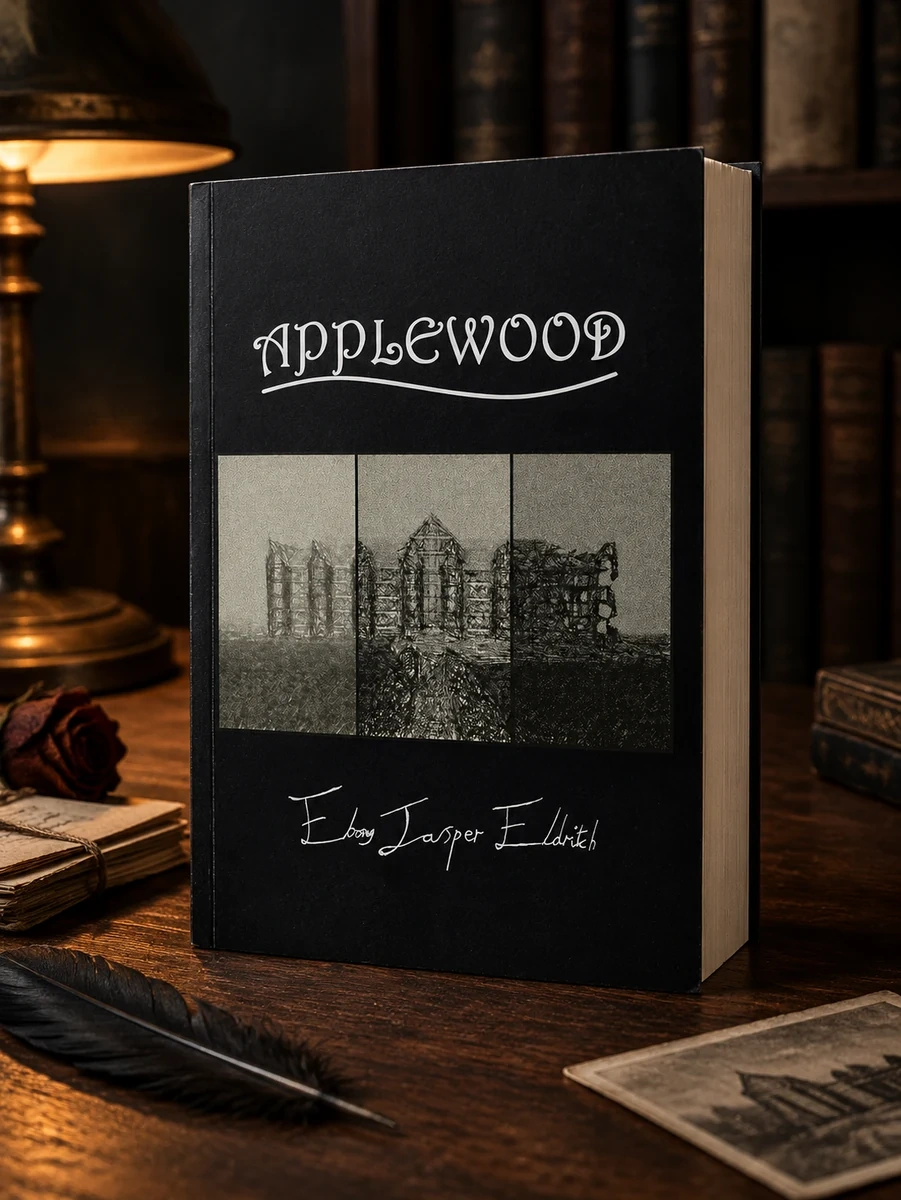
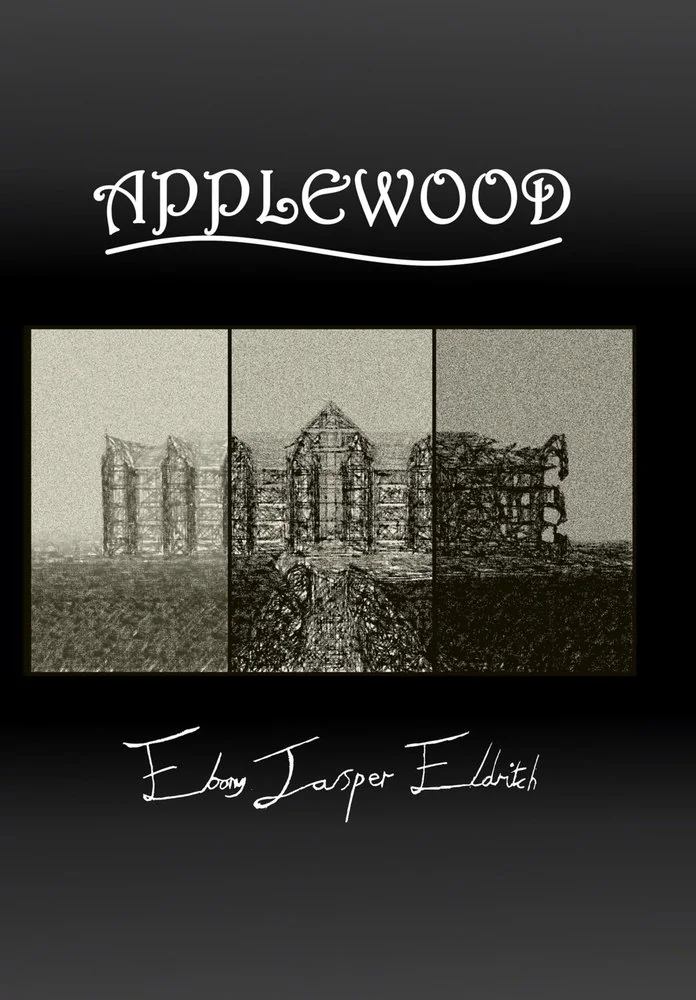
Applewood - Hardcover Edition
A triptych of ghost stories set in one manor across three centuries.
This volume examines the intersection of time and place through the lens of Applewood Manor. Eldritch selects three specific New Year’s Eves to frame the narrative. The text moves from 1799 to 1899 and finally to 1999. Each section operates as a standalone ghost story yet contributes to a larger whole. The manor serves as the constant variable in these equations of fear. The author uses the changing centuries to show how horror evolves while remaining rooted in the same location. The structure demands patience from the reader. It rewards those who appreciate the accumulation of dread over time. The book is not a collection of unrelated tales but a cohesive exploration of a single haunted site.
The work sits within the American horror tradition, specifically focusing on gothic fiction. It utilizes the specific dates of 1799, 1899, and 1999 to bridge the nineteenth, twentieth, and twenty-first centuries. The narrative spans two hundred years of supernatural events centered in one house.


📝 Description: Applewood - Hardcover Edition
💎 Our verdict on Applewood - Hardcover Edition
📖 Why choose it
Why this book is worth reading
Readers who appreciate the accumulation of dread over time will find this volume deeply rewarding. It suits those interested in historical horror and multi-era narratives that explore the intersection of time and place. The book appeals to audiences willing to exercise patience for a slow, atmospheric buildup rather than seeking fast-paced action or contemporary thriller elements. Those who enjoy gothic traditions where the setting itself becomes a character will value the precise detailing of each era's distinct terror. It offers a sustained look at lingering spirits and the weight of history pressing down on the present moment within these walls.
⭐ Reader reviews
Reader rating
Eldritch successfully anchors the narrative on specific New Year’s Eves, allowing Applewood Manor to witness two hundred years of haunting events across three centuries. The tripartite structure creates a cohesive exploration of a single haunted site rather than unrelated tales. The steady narrative voice lets the events speak for themselves without melodramatic commentary. This approach rewards readers who appreciate historical horror and multi-era narratives. It is best suited for those who enjoy atmospheric dread over quick thrills. The work draws effectively on gothic traditions, making the architecture a central character. While not suitable for those seeking immediate gratification, it offers a profound examination of how horror remains rooted in location despite the passage of time.