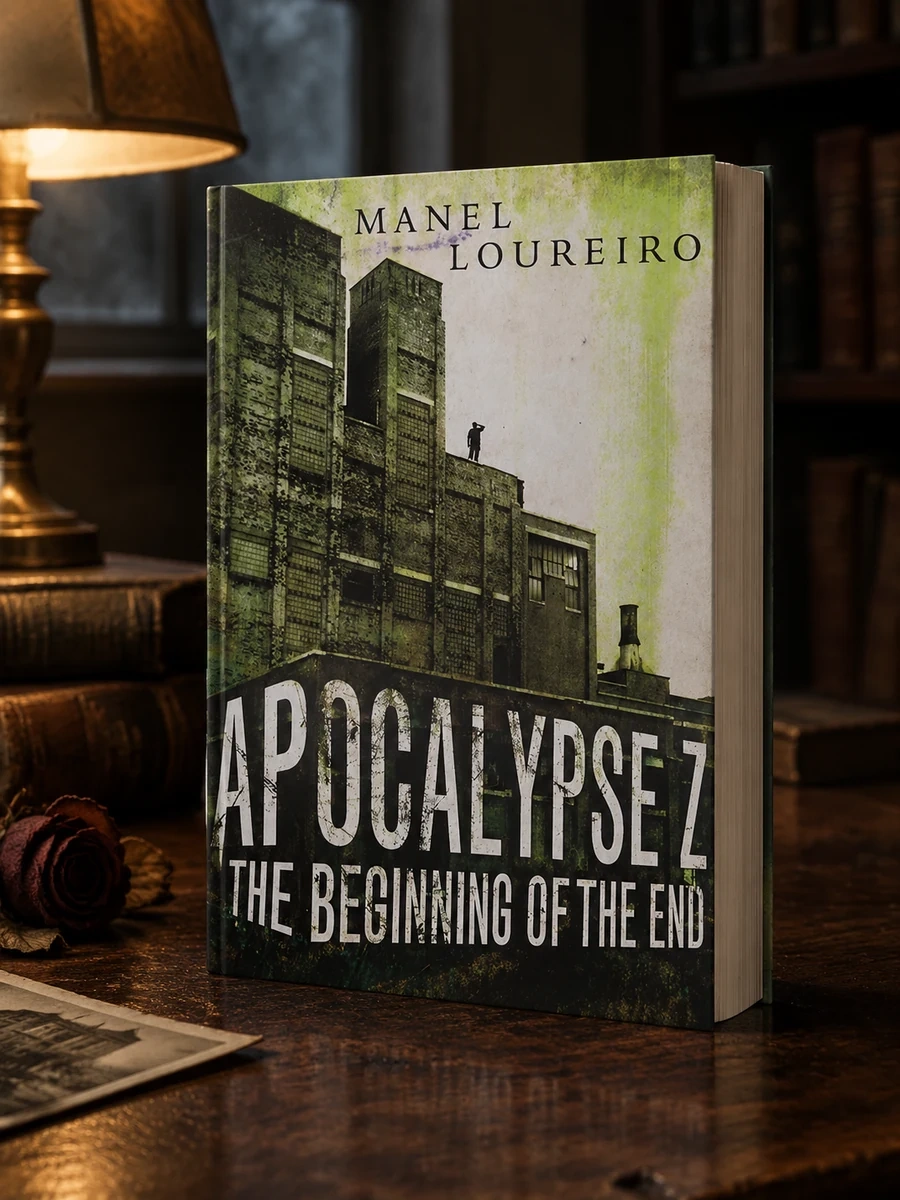

Apocalypse Z: The Beginning of the End
A story of survivors finding military tyranny instead of safety in the Canary Islands.
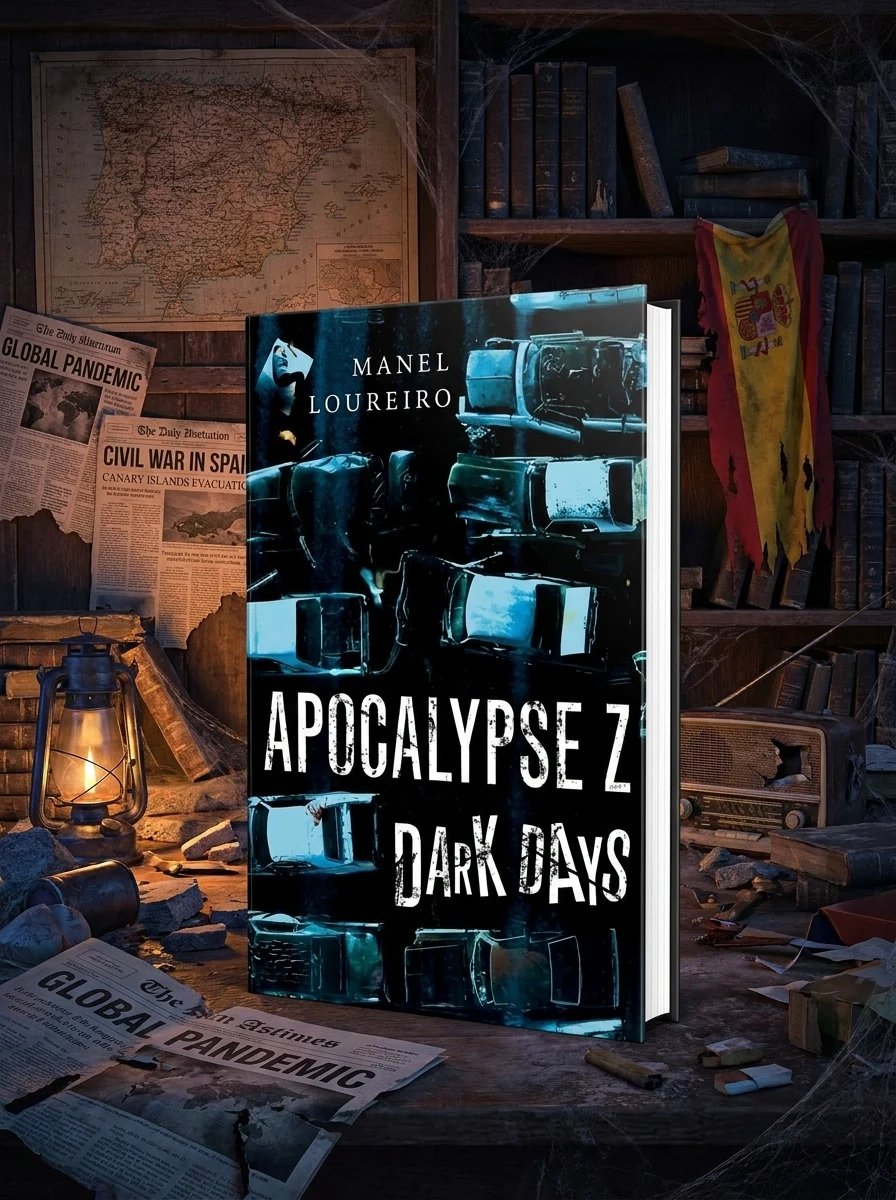
The narrative follows a handful of people fleeing mainland Spain after a zombie plague destroys their homes. They arrive at the Canary Islands, expecting refuge from the undead. The setting reveals a different kind of horror. A military government controls the islands but lacks the food and supplies to sustain its citizens. This scarcity triggers a civil war between the armed forces and the desperate populace. The plot centers on this internal conflict rather than external monster attacks. Loureiro uses this setup to examine power dynamics and resource management during a crisis. The tone remains consistently bleak, reflecting the hopelessness of the situation. The story avoids traditional zombie tropes by focusing on human antagonism.
Published in 2012 by Amazon Publishing, this work enters the landscape of contemporary horror fiction. It reflects a period where digital publishing began to challenge traditional models. The story draws on Spanish geography and the global fear of pandemic collapse, grounding its supernatural elements in realistic societal failure.


📝 Description: Apocalypse Z: The Beginning of the End
💎 Our verdict on Apocalypse Z: The Beginning of the End
📖 Why choose it
Why this book is worth reading
Readers interested in grounded, political horror will find this book compelling for its focus on human drama over supernatural spectacle. It is ideal for those who appreciate narratives that prioritize psychological and logistical aspects of survival rather than mere gore. The story offers a bleak examination of power dynamics and resource management during a crisis, appealing to audiences who enjoy exploring how quickly civilization erodes under pressure. Those seeking fast-paced action or clear moral victories may find the tone too hopeless, but fans of dark fantasy and true crime will value its stark vision of survival and isolation.
⭐ Reader reviews
Reader rating
Loureiro delivers a stark vision of survival where the true horror stems from military tyranny and civil war rather than external monsters. The narrative effectively explores the collapse of order in the Canary Islands, focusing on the brutal reality of human conflict when infrastructure fails. By avoiding traditional zombie tropes, the book prioritizes psychological depth and societal breakdown. This approach suits readers who enjoy grim choices and hopelessness over heroic triumphs. While it lacks easy answers, its consistent bleak tone provides a realistic look at extinction-level events. It is best for those willing to engage with complex power dynamics and the erosion of civilization under extreme duress.