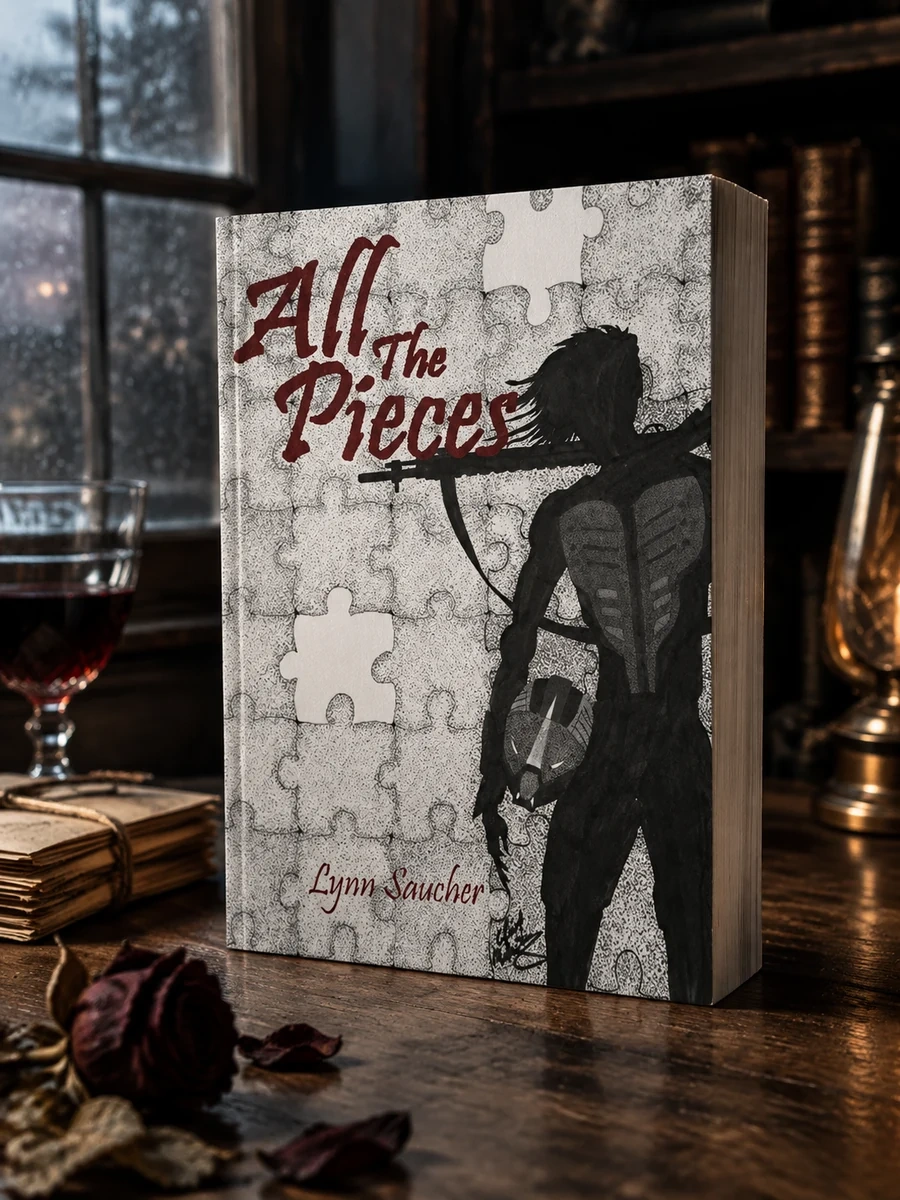

All the Pieces
A journal reveals revenge and retribution after a disastrous company outing.
The story examines the lasting psychological effects of a traumatic event through two main figures. One character deals with the fallout of her actions and lost hope, while the other seeks justice. A journal connects these timelines, providing insight into the protagonist's mind five years later. This structure allows for an exploration of isolation and fragile human bonds. The plot focuses on internal struggles and past mistakes rather than external threats. It appeals to readers interested in the darker sides of human nature and guilt. The tone is consistently somber, reflecting a sense of dire hopelessness.
This work sits within the contemporary independent publishing landscape of 2018, specifically targeting fans of horror and supernatural fiction. It reflects the modern trend of self-published authors exploring gothic themes of isolation and psychological terror without traditional gatekeepers. The narrative draws on the tradition of epistolary storytelling through its use of a journal format to convey personal trauma.


📝 Description: All the Pieces
💎 Our verdict on All the Pieces
📖 Why choose it
Why this book is worth reading
Readers who appreciate slow-burn, introspective horror will find value in this exploration of guilt and psychological distress. It suits those interested in the darker aspects of human nature, specifically how trauma persists over time. The book offers a deep dive into the minds of characters dealing with lost hope and the search for justice. It is ideal for fans who prefer emotional weight and character development over fast-paced action or traditional haunted house scares. Those willing to engage with a somber tone and non-linear structure will gain insight into themes of isolation and fragile human bonds. The narrative demands patience but rewards it with a raw, unpolished examination of revenge and retribution stemming from past mistakes.
⭐ Reader reviews
Reader rating
This debut novel distinguishes itself through its intense focus on internal struggle rather than external threats. Saucher effectively utilizes a dual-timeline structure anchored by journal entries to reveal the protagonist's psychological decay and regret. The somber tone creates an atmosphere of dire hopelessness, appealing to those who enjoy bleak, character-driven horror. While the raw emotion may feel unpolished to some, it serves the narrative’s emphasis on authenticity and trauma. It is best suited for readers seeking a heavy, introspective experience that examines the lasting effects of guilt. Those preferring linear plots or traditional scares might find the emotional focus overwhelming, but fans of psychological depth will appreciate its commitment to exploring the fragile bonds of human connection amidst personal failure.
📖 Read on the blog
🏛 Books from this publisher Independently Published








You might also like
See more →


Have a question about this item?
Ask about the edition, condition, delivery or anything else — we reply by email or phone, usually within a day.
