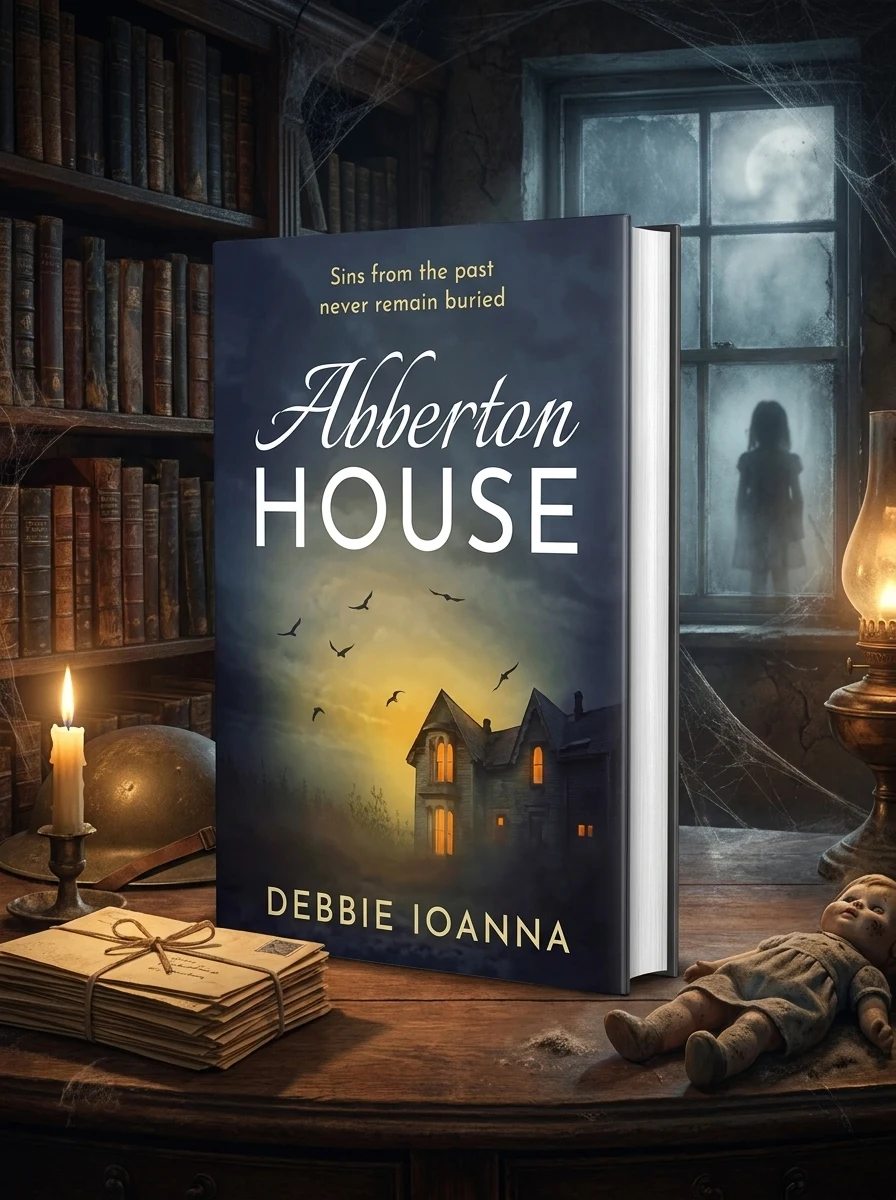
Abberton House
Currently unavailable
This book is sold out right now. Leave your email — we'll let you know if it comes back, and you'll get 10% off any book today.
In stock now — readers of this book also loved:




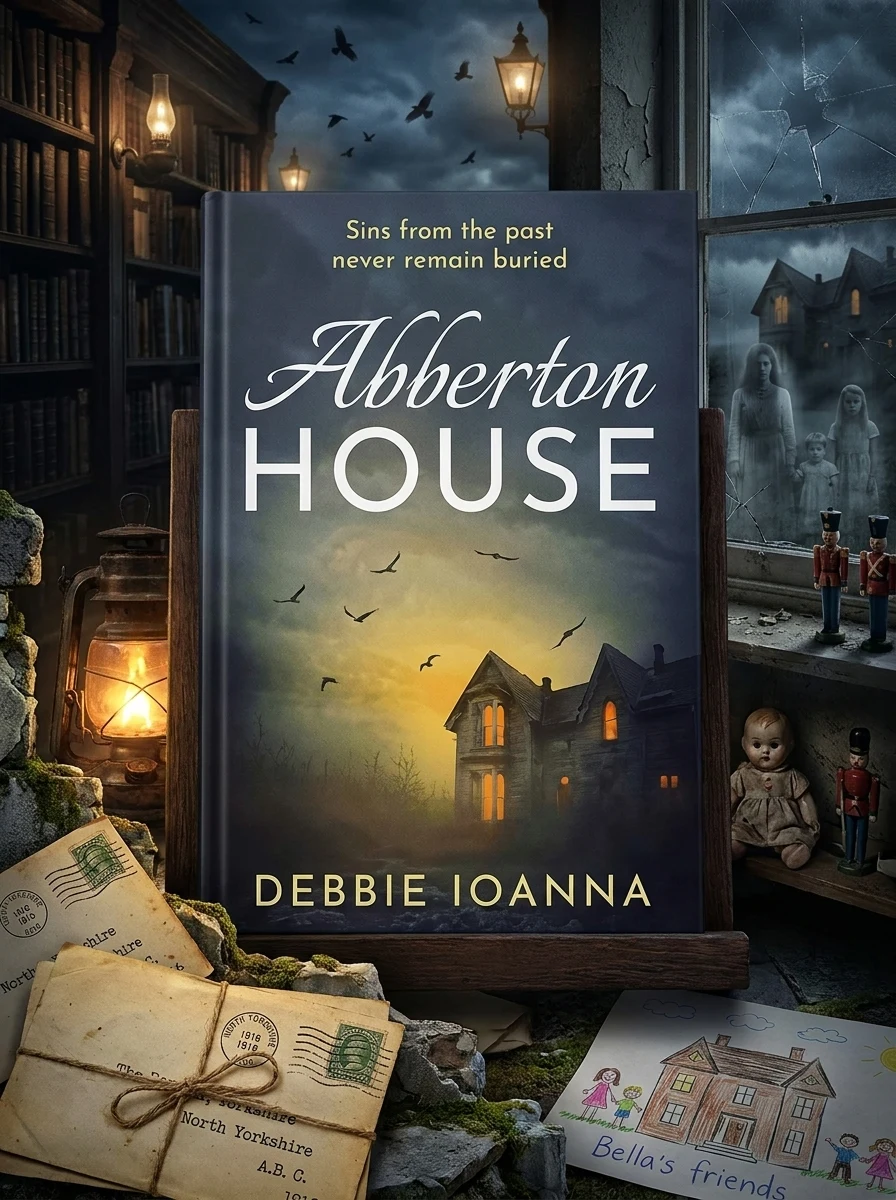
A haunted house mystery connecting 1916 disappearances to modern family trauma
Ioanna explores how unresolved grief manifests as paranormal activity across generations. The story contrasts Henry’s desperate search for his missing family with Catherine’s discovery of similar patterns. Both characters face the same house, which seems to retain memories of past violence. The narrative structure shifts between the wartime era and the present day, showing how the past influences current events. Bella’s interactions with unseen entities serve as a catalyst for uncovering the truth. The book does not provide a clear resolution to the mystery. It leaves readers to ponder whether the spirits are real or projections of guilt. The setting of North Yorkshire adds to the isolation felt by all characters.
The story is set in North Yorkshire, England, spanning from 1916 during the Great War to a century later. It draws on British gothic traditions and the historical context of post-war displacement.


📝 Description: Abberton House
💎 Our verdict on Abberton House
📖 Why choose it
Why this book is worth reading
Readers drawn to atmospheric ghost stories and psychological horror will find this title compelling for its nuanced exploration of unresolved grief and historical trauma. The dual-timeline structure effectively bridges the gap between the wartime era and modern day, illustrating how past violence permeates present realities. Those who appreciate slow-burn tension over fast-paced action will enjoy the methodical unraveling of family secrets within the isolated North Yorkshire setting. The narrative invites contemplation regarding the nature of guilt and reality, offering a haunting meditation on loss rather than simple scares.
⭐ Reader reviews
Reader rating
Abberton House succeeds as a chilling examination of how physical spaces retain memories of tragedy. Ioanna masterfully contrasts Henry’s desperate search in 1916 with Catherine’s modern discoveries, creating a cohesive narrative about intergenerational trauma. The isolated farmhouse setting amplifies the fear, drawing heavily on gothic traditions to build an oppressive atmosphere. While the lack of clear resolution may frustrate those seeking definitive answers, it effectively underscores the book's thematic focus on the ambiguity of spirits versus projections of guilt. This is an ideal choice for fans of literary horror who value mood and psychological depth over explicit content or rapid plot progression.
📖 Read on the blog
✍️ More books by this author Debbie Ioanna
🏛 Books from this publisher Dreamscape Media


You might also like
See more →
Have a question about this item?
Ask about the edition, condition, delivery or anything else — we reply by email or phone, usually within a day.
