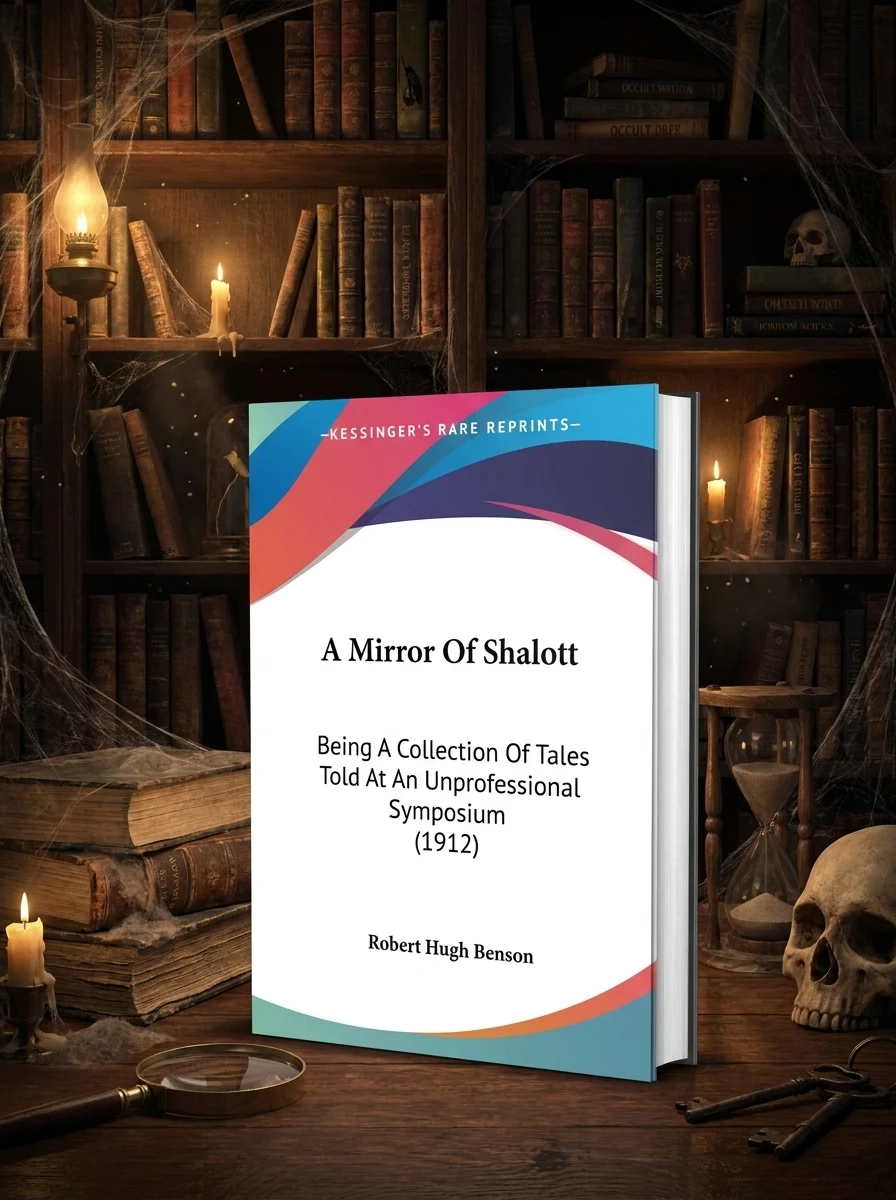
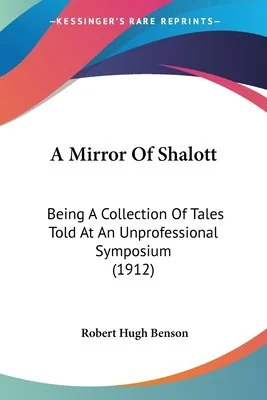
A Mirror Of Shalott: Being A Collection Of Tales Told At An Unprofessional Symposium (1912)
A 1912 horror collection reprinted with original imperfections intact.
The core appeal is historical preservation over textual perfection. This reprint keeps the marginalia and flaws visible, offering a direct window into early twentieth-century reading habits. It functions as a cultural artifact as much as a story collection. The unprofessional symposium format provides a unique structural context for the tales. Readers gain insight into how horror was shared and consumed in that era. The physical condition of the book is its defining feature.
Published in 1912, this work reflects early twentieth-century literary culture. The 2007 reprint by Kessinger Publishing addresses the preservation of scarce antiquarian books. It highlights the tension between historical accuracy and modern accessibility in publishing.


📝 Description: A Mirror Of Shalott: Being A Collection Of Tales Told At An Unprofessional Symposium (1912)
💎 Our verdict on A Mirror Of Shalott: Being A Collection Of Tales Told At An Unprofessional Symposium (1912)
📖 Why choose it
Why this book is worth reading
Readers who value historical authenticity over pristine presentation will find this volume essential. It offers a unique window into early twentieth-century reading habits by preserving marginalia and physical flaws as part of the narrative experience. Those interested in the cultural artifact status of horror literature, or how supernatural tales were consumed in their original context, will appreciate this unpolished glimpse into the past. It serves not just as a story collection but as a preserved record of literary gatherings from that era.
⭐ Reader reviews
Reader rating
This facsimile reprint succeeds as a cultural artifact, prioritizing historical preservation above textual clarity. By retaining original imperfections and marginalia, it provides an authentic view of early twentieth-century gothic fiction consumption. The unprofessional symposium structure adds a layer of intrigue to the horror tales, grounding them in a specific social context. While it may disappoint readers seeking clean, modern editions, it excels for those studying the physical history of printed texts. It is a compelling resource for historians and collectors who view the book itself as the primary subject of interest.
📖 Read on the blog
✍️ More books by this author Robert Hugh Benson





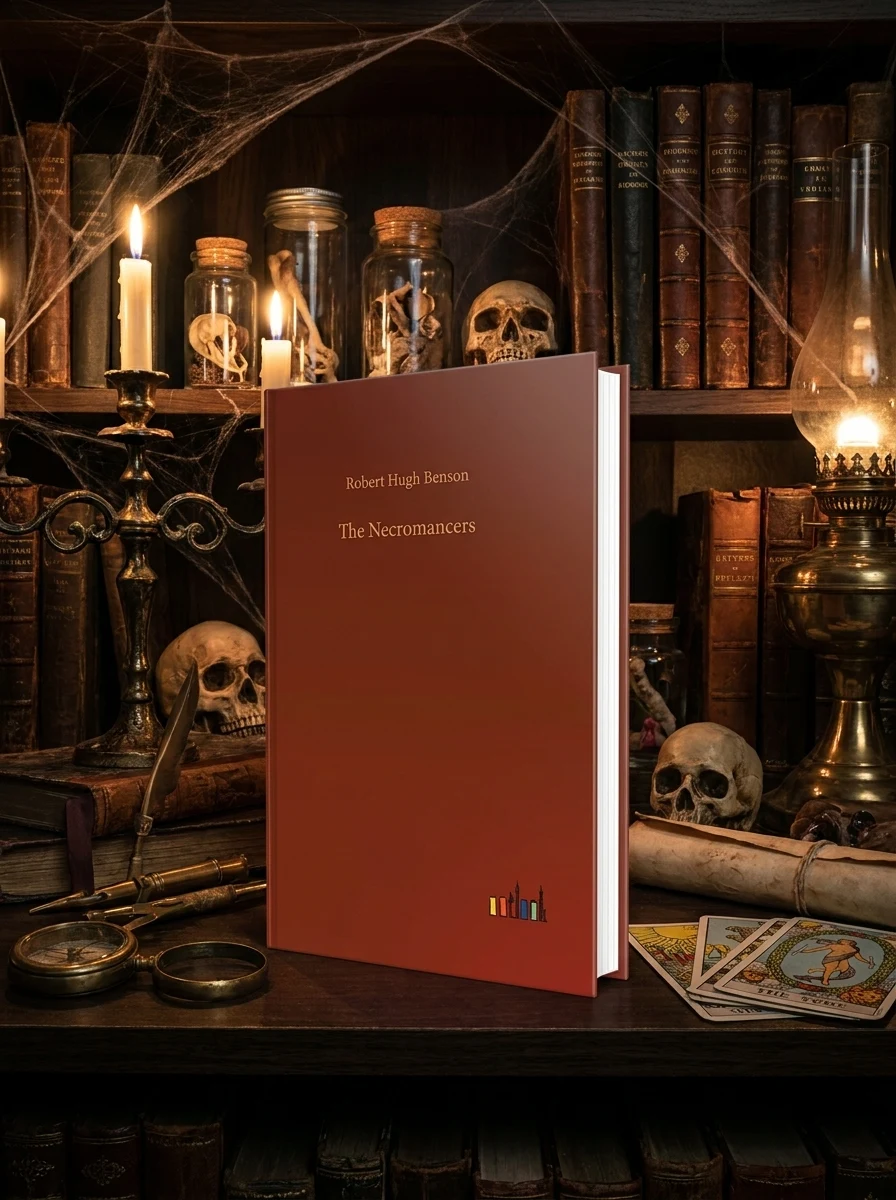
🏛 Books from this publisher Kessinger Publishing
You might also like
See more →


Have a question about this item?
Ask about the edition, condition, delivery or anything else — we reply by email or phone, usually within a day.
