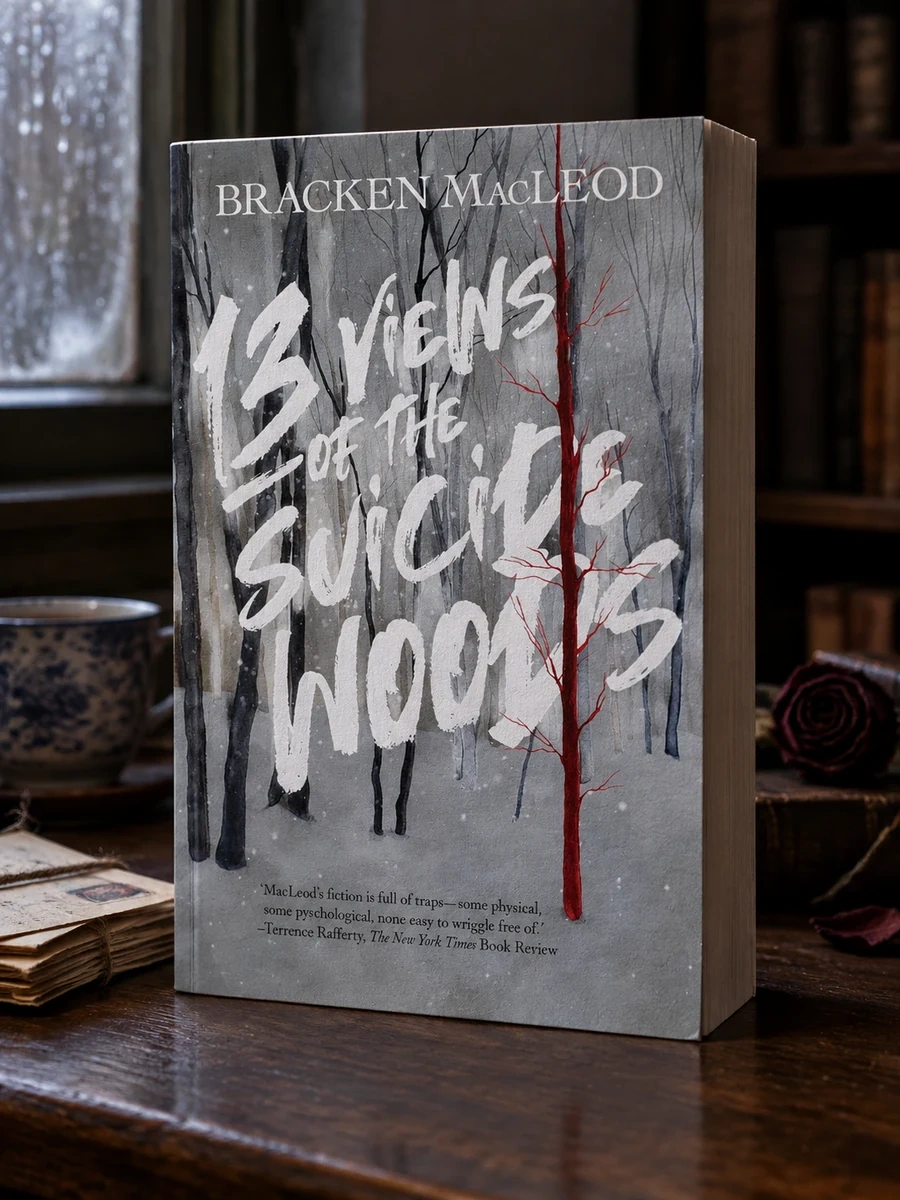
13 Views Of The Suicide Woods
Thirteen dark tales exploring pain, resignation, and the supernatural in rural settings.
MacLeod constructs a narrative landscape where personal trauma meets the uncanny. The stories do not offer easy resolutions but instead present moments of decision or revelation. Characters confront their pasts through encounters with psychic surgery, religious fervor, or natural imagery. The structure moves from individual despair to communal ritual, then to solitary reflection. Each vignette isolates a specific type of suffering, from the veteran’s memory to the pastor’s duty. The prose avoids melodrama, focusing on the internal shifts that occur when darkness is acknowledged rather than avoided.
The stories draw on American rural traditions and gothic fiction tropes. They reference specific cultural elements like Halloween Hell houses and winemaking communities. The setting feels grounded in contemporary or recent past experiences, focusing on local folklore and personal spiritual crises rather than historical periods.


📝 Description: 13 Views Of The Suicide Woods
💎 Our verdict on 13 Views Of The Suicide Woods
📖 Why choose it
Why this book is worth reading
Readers seeking emotional depth over adrenaline will find value in this collection’s nuanced exploration of grief, trauma, and resignation. MacLeod offers a compelling alternative to fast-paced horror by focusing on internal shifts and quiet revelations. Those who appreciate gothic atmosphere and psychological intensity will gain from the book’s refusal to offer easy resolutions. It is ideal for individuals interested in how fear manifests in rural settings and through religious or psychic encounters. The work rewards patience with its focus on the weight of sorrow and the possibility of renewal, providing a resonant experience for those who prefer literary horror that challenges rather than startles.
⭐ Reader reviews
Reader rating
MacLeod crafts a haunting landscape where personal trauma intersects with the uncanny, creating stories that linger long after reading. The prose avoids melodrama, instead focusing on the subtle internal shifts that occur when darkness is acknowledged. By isolating specific types of suffering—from veteran’s memory to religious fervor—the collection builds a powerful emotional resonance. The narratives rely on atmospheric dread and psychological complexity rather than spectacle or action. This approach makes it particularly suitable for readers who enjoy gothic horror and dark fantasy with literary merit. It succeeds in capturing the weight of grief while hinting at renewal through stillness or fiery death, offering a sophisticated entry point for fans of nuanced, character-driven horror.
📖 Read on the blog
✍️ More books by this author Bracken MacLeod


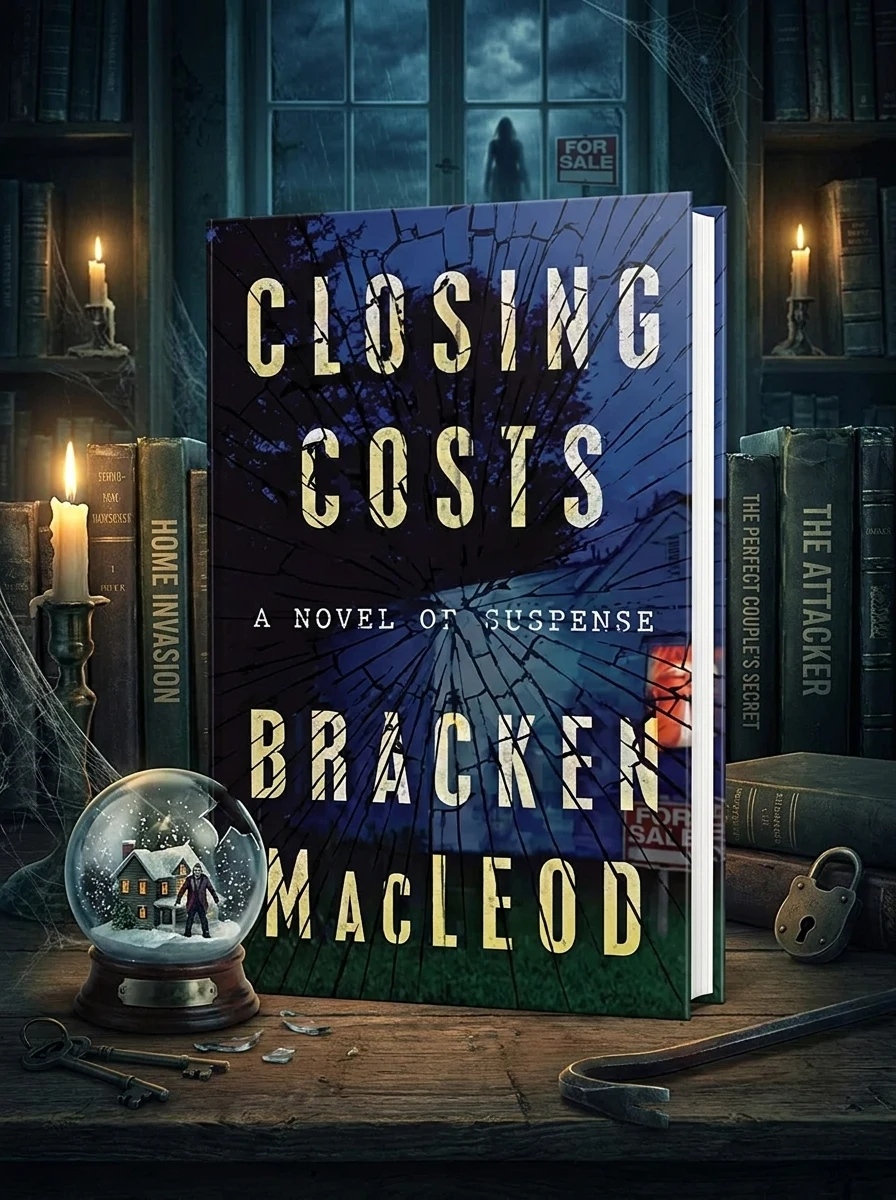
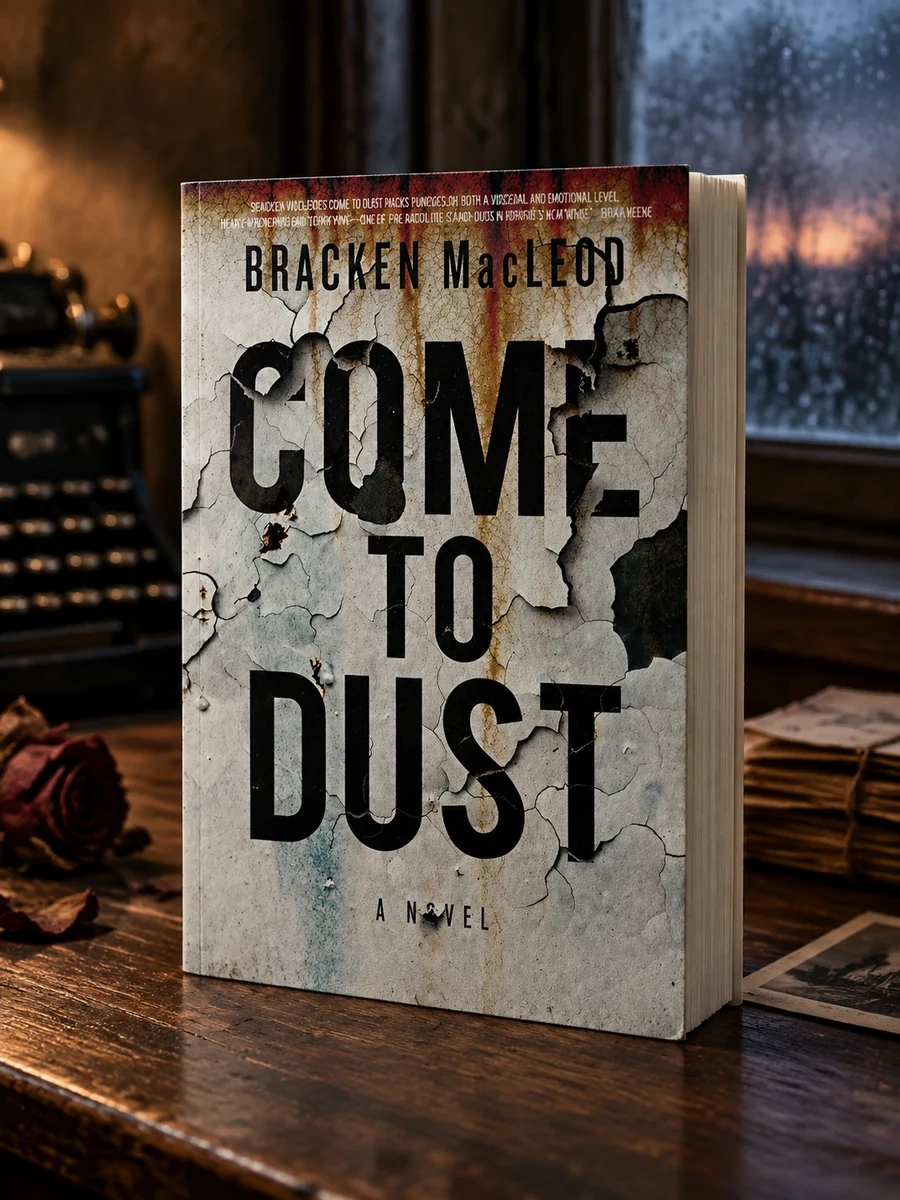
🏛 Books from this publisher Haverhill House Publishing
You might also like
See more →

Have a question about this item?
Ask about the edition, condition, delivery or anything else — we reply by email or phone, usually within a day.
