If you walked into any mall bookstore between the late 1970s and the early 1990s, you were greeted by a wall of absolute madness. The mass-market paperback racks were lined with die-cut covers, foil stamping, glowing skeletons, killer dolls, and menacing real estate. Horror fiction was experiencing an unprecedented commercial boom. Authors were churning out lurid, visceral, and incredibly strange stories at breakneck speed to feed a ravenous reading public. Eventually, the boom collapsed, leaving thousands of bizarre and brilliant novels to rot in thrift stores and garage sales.
That era could have easily faded into obscurity, remembered only by a few dedicated collectors. Fortunately, author Grady Hendrix refused to let these books vanish. His extensive research into this wildly prolific period resulted in a comprehensive, hilarious, and deeply affectionate historical guide that changed the modern horror community forever. The ensuing conversation around these forgotten books even sparked a dedicated reprint line, bringing out-of-print nightmares back to store shelves.
This article serves as both a detailed examination of Hendrix’s definitive historical guide and a curated roadmap for your own vintage reading. We will look closely at the non-fiction source material that started the revival, and then recommend five specific reprinted novels that perfectly capture the unhinged spirit of the era. These are stories that prioritize visceral dread, relentless pacing, and unapologetic terror.
The Non-Fiction Masterpiece: Dissecting the Era
Before you start tracking down specific pulp novels, you need a map of the territory. The mass-market boom was massive and chaotic, spanning multiple distinct trends, from satanic cults to killer crabs. Hendrix provides the ultimate structural guide, breaking down the decades into digestible, highly entertaining categories.
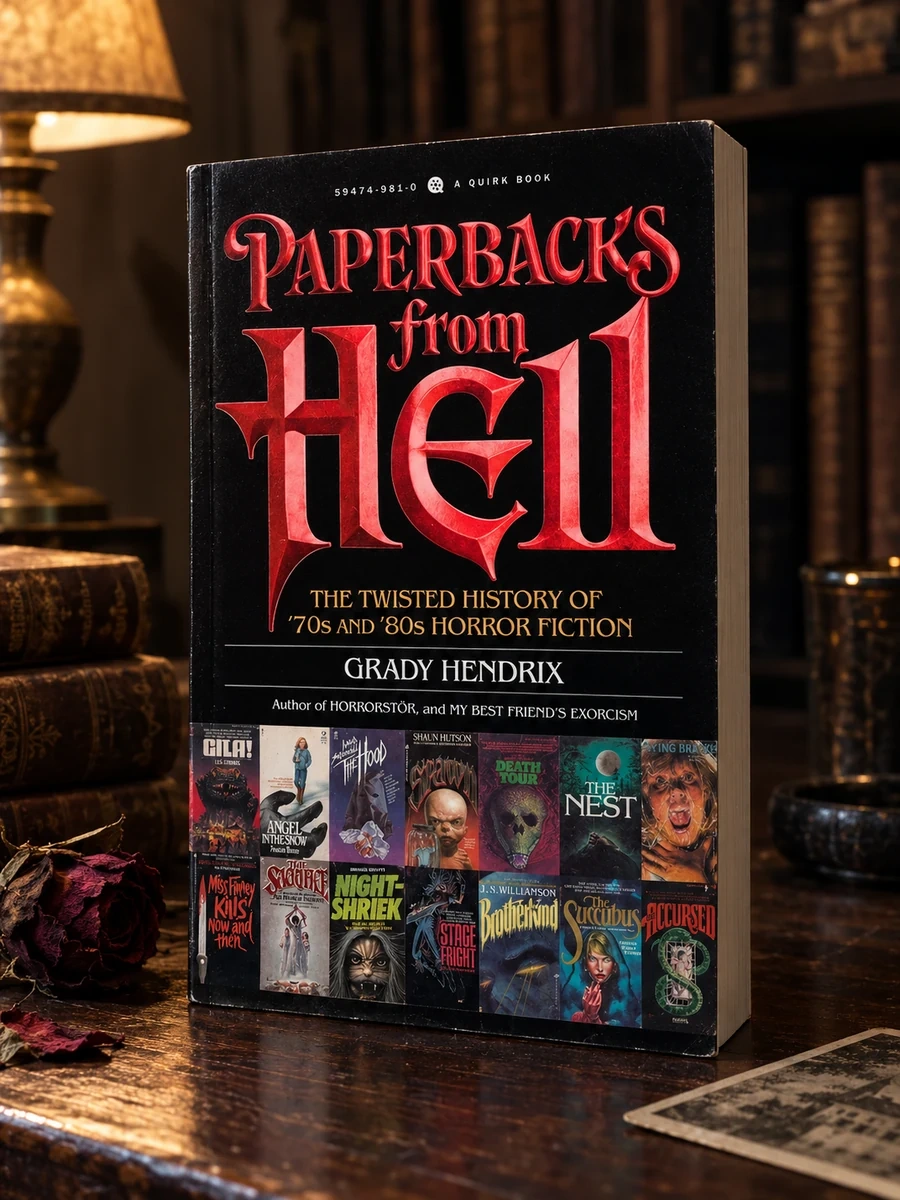
1. Paperbacks from Hell: The Twisted History of '70s and '80s Horror Fiction — Grady Hendrix
If you crave nostalgic, lurid paperback art and love digging into forgotten pulp culture, this book is an absolute necessity. Hendrix serves as a wildly enthusiastic tour guide through the bargain bins of history. The book is organized thematically, dedicating distinct chapters to the specific fads that dominated the racks. You get sections on creepy children, animals attacking innocent townsfolk, gothic romance gone wrong, medical science overstepping its bounds, and houses that actively hate their inhabitants.
What makes this historical overview so successful is Hendrix’s tone. He treats the material with exactly the right balance of affection and incredulity. He recognizes that many of these books were written strictly to meet a publisher's deadline and capitalize on a fleeting trend, resulting in plots that defy all logic. Yet, he never mocks the authors. Instead, he celebrates their ingenuity, their audacity, and their willingness to go exactly where "respectable" literature refused to tread. The accompanying artwork is stunning, reproducing hundreds of original covers in vibrant color. You can see the evolution of the marketing tactics, from painted gothic heroines running from gloomy castles to neon-bright skulls and bloody weapons.
This is a book for readers who want to understand the cultural context of the genre. It explains how the massive success of high-profile blockbusters trickled down to create an entire ecosystem of mid-list authors trying to capture lightning in a bottle. You will walk away from this book with a reading list so long it will take you years to complete. Priced comfortably under $30, it is an essential reference volume that you will pull off the shelf time and time again just to admire the sheer lunacy of the cover art.
The Reprints: 5 Cult Classics You Should Read Next
Reading about these bizarre, out-of-print novels is one thing; actually experiencing them is another. Recognizing the massive demand generated by his non-fiction work, Hendrix partnered with publishers to resurrect a selection of the most vital, hard-to-find titles. This curated line of reprints brings the best of the pulp era back into print with beautiful new editions. Here are five essential selections from that line that demand your attention.
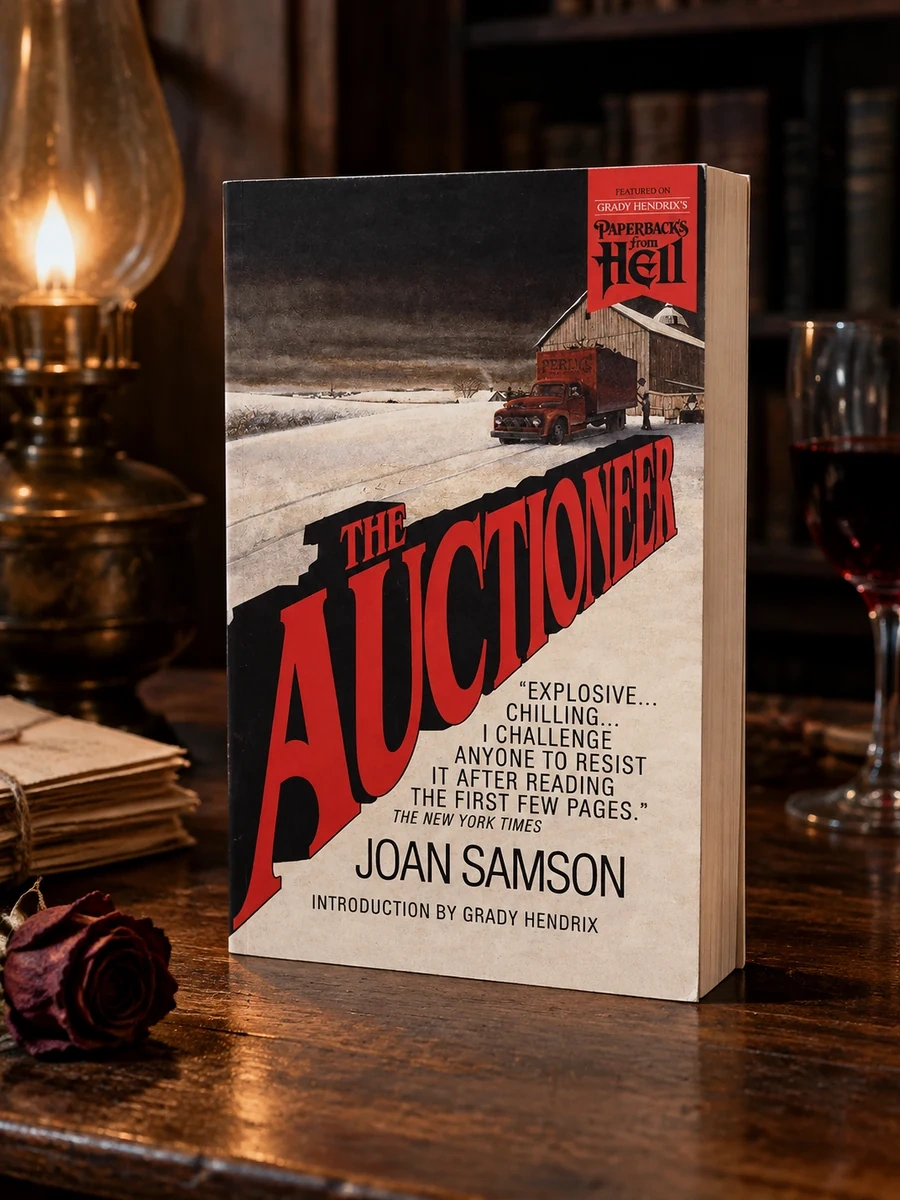
2. The Auctioneer (Paperbacks from Hell) — Grady Hendrix
Seekers of slow-burn dread and gothic isolation will be completely consumed by this harrowing narrative. The premise centers on a quiet, tightly-knit farming community that finds itself slowly losing everything to a charismatic, fast-talking stranger. It is a masterpiece of escalating tension, showcasing how quickly social norms can disintegrate when an outside force applies exactly the right kind of pressure.
This novel excels because it relies entirely on grounded, psychological manipulation rather than overt supernatural monsters. The terror stems from watching decent, rational people compromise their morals and surrender their autonomy piece by piece. It fits perfectly into the "small-town paranoia" subgenre that was immensely popular during the era, preying on rural anxieties and the fear of unchecked capitalism. It is highly recommended for readers who appreciate methodically paced suspense and stories that examine the dark underbelly of neighborly polite society.
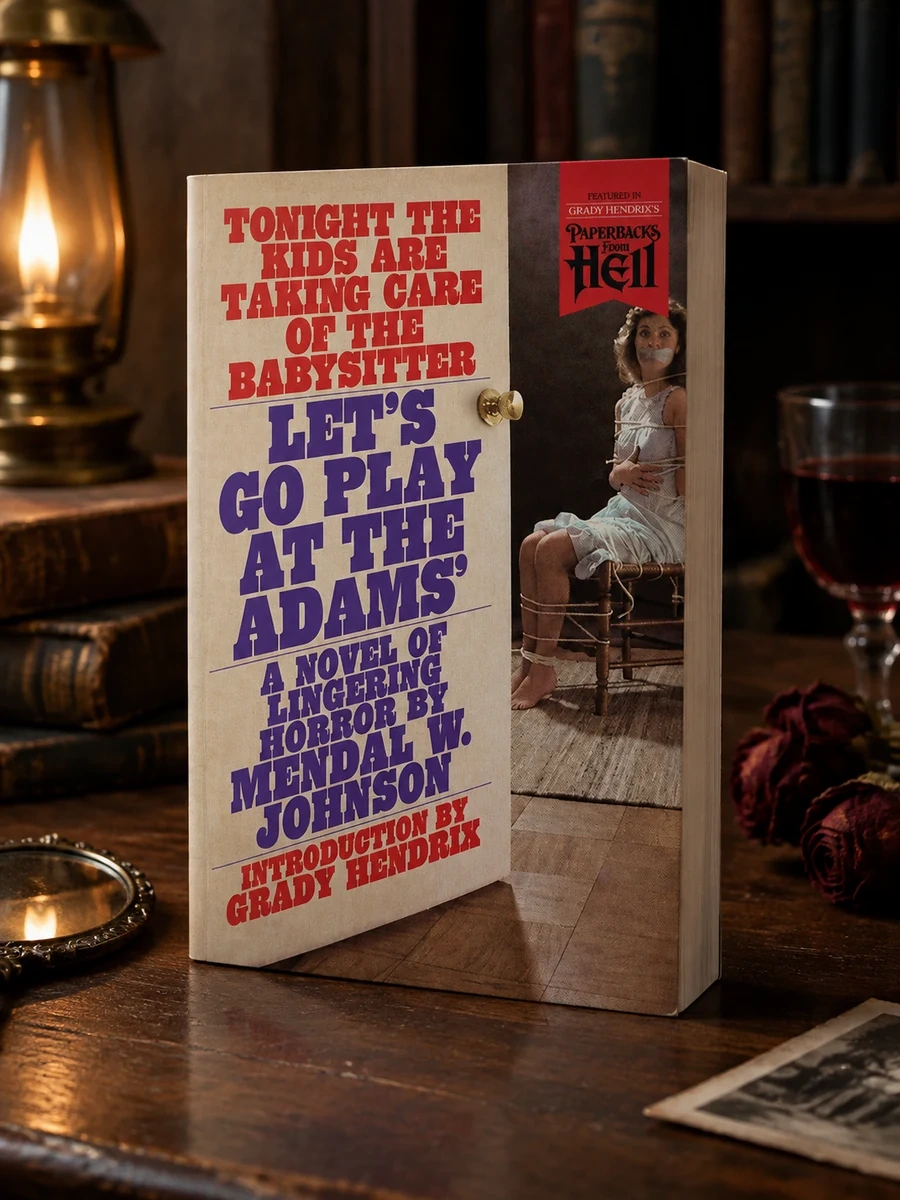
3. Let's Go Play at the Adams' (Paperbacks from Hell) — Grady Hendrix
Seek out this remarkably bleak tale if you can handle intense psychological dread, themes of captivity, and a terrifying loss of control. This book represents the darker, meaner side of the vintage horror boom. It is a grueling, uncomfortable read that strips away the innocence usually associated with youth and replaces it with calculated, Lord of the Flies-style cruelty.
The tone here is decidedly grim and unrelenting. It does not offer the campy fun or over-the-top monster action found in other books from the same period; instead, it delivers a sharp, agonizing look at isolation and the sheer malice that can exist behind closed suburban doors. Readers who prefer lighthearted scares or triumphant, heroic conclusions should absolutely look elsewhere. However, for those who value fiction that takes genuine emotional risks and pushes boundaries until they break, this stands as one of the most effective and disturbing novels of its time.
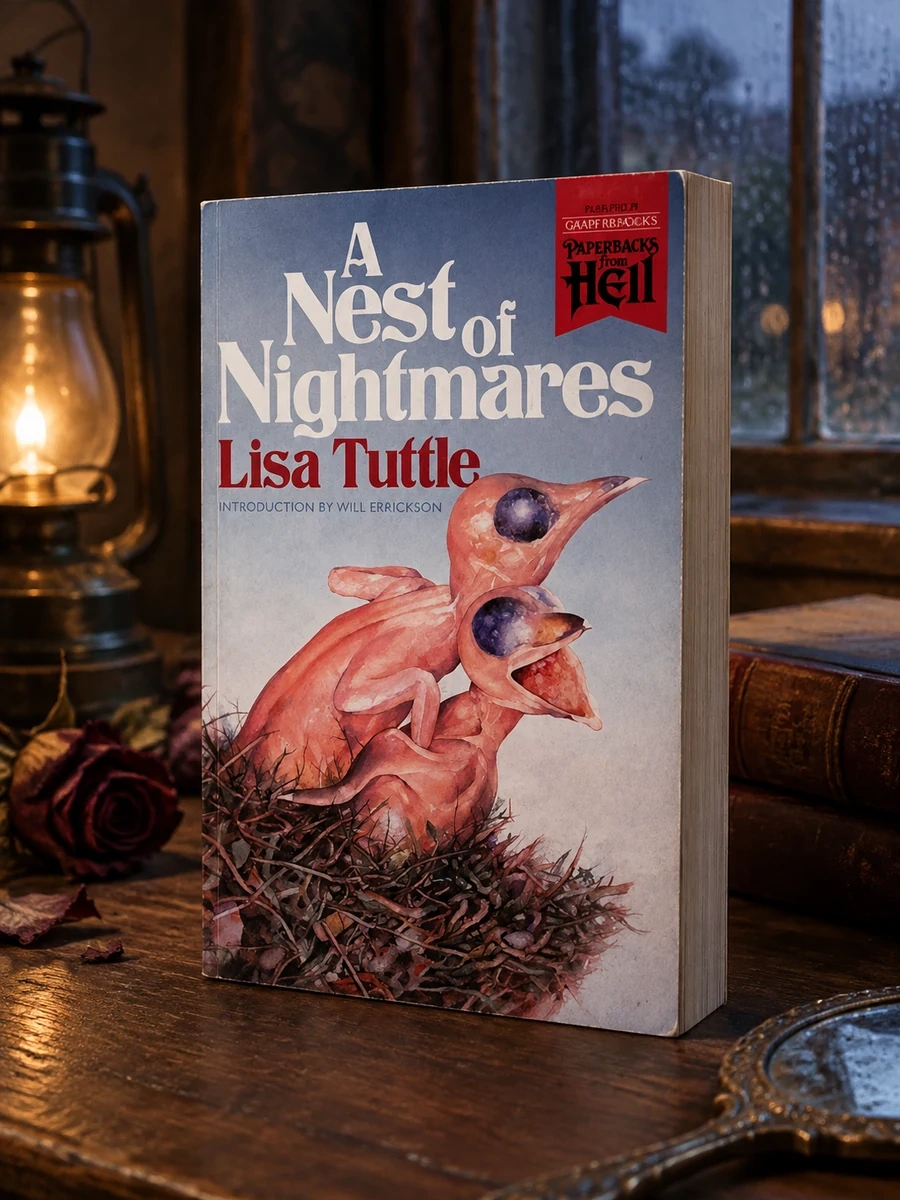
4. A Nest of Nightmares (Paperbacks from Hell) — Lisa Tuttle
Short fiction was a massive driving force during the golden age of mass-market terror, and this collection demonstrates exactly why the format was so effective. Lisa Tuttle is a master of atmosphere, crafting stories that rely heavily on creeping unease rather than immediate bloodshed. Her work is perfect for readers who appreciate domestic horror—tales where the threat invades the home, the family structure, and the quiet moments of everyday life.
This particular volume is an excellent entry point for fans of feminist horror and psychological ambiguity. The pacing across the collection is deliberate and thoughtful, allowing the dread to settle in the reader's bones before the final, inevitable turn. It sits comfortably alongside the best weird fiction of the era, offering a slightly more sophisticated, literary take on the tropes that dominated the paperback racks. If you enjoy horror that leaves you thinking long after you close the cover, this collection is indispensable.
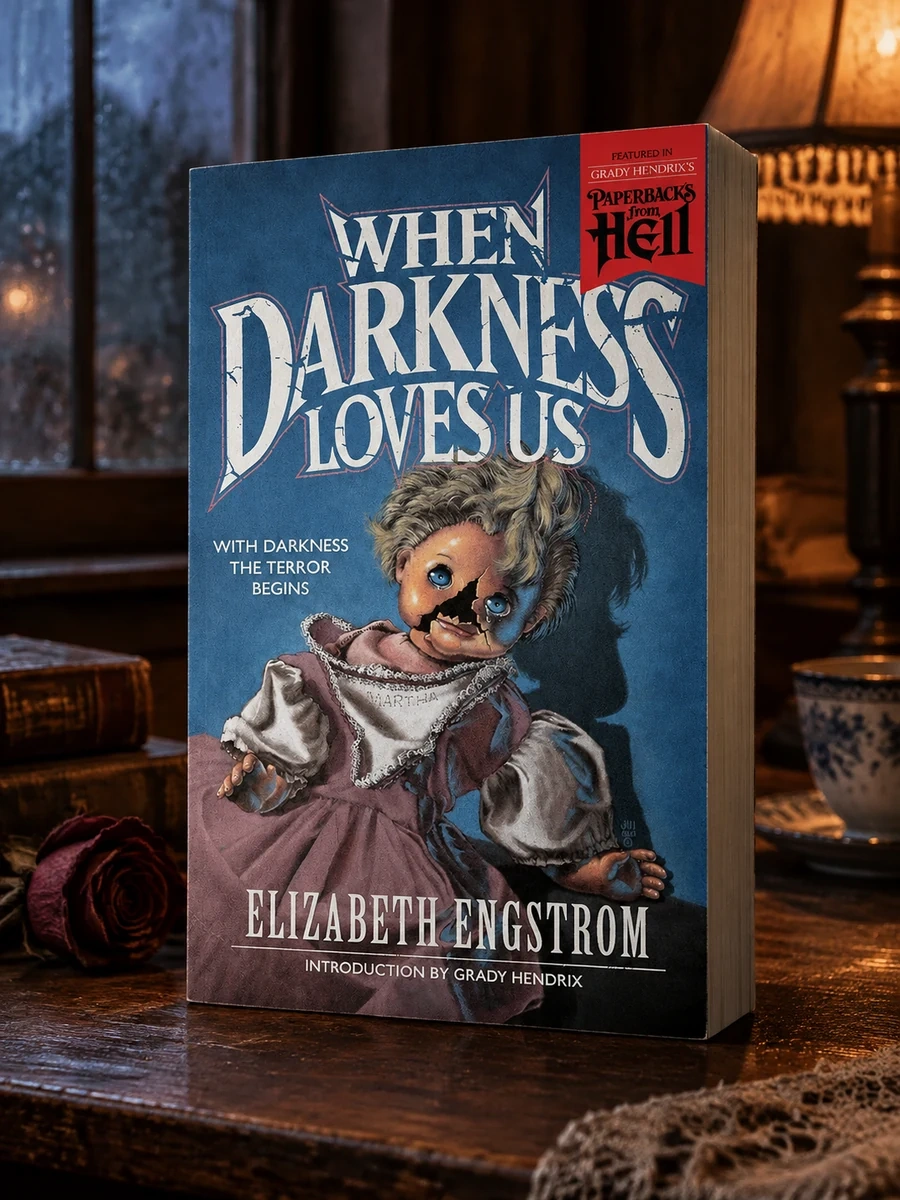
5. When Darkness Loves Us (Paperbacks from Hell) — Grady Hendrix
Seekers of vintage, visceral terror will cherish this incredibly dark gem. This volume features the kind of claustrophobic, inescapable dread that defines the absolute best of 1980s fiction. The narrative does not hold your hand; it drags you into the bleakest corners of human survival and refuses to look away. If you crave gentle romance, happy resolutions, or lighthearted escapism, you must steer clear of this one.
The pacing is relentless, designed to keep the reader as disoriented and desperate as the characters themselves. It fits perfectly within the subgenre of isolation horror, where the environment itself becomes a primary antagonist. This book is for readers who want to feel the grime and desperation of the era, experiencing a story that feels dangerous and untamed. It is a harsh, unforgettable experience that proves why these forgotten texts deserved to be rescued from obscurity.
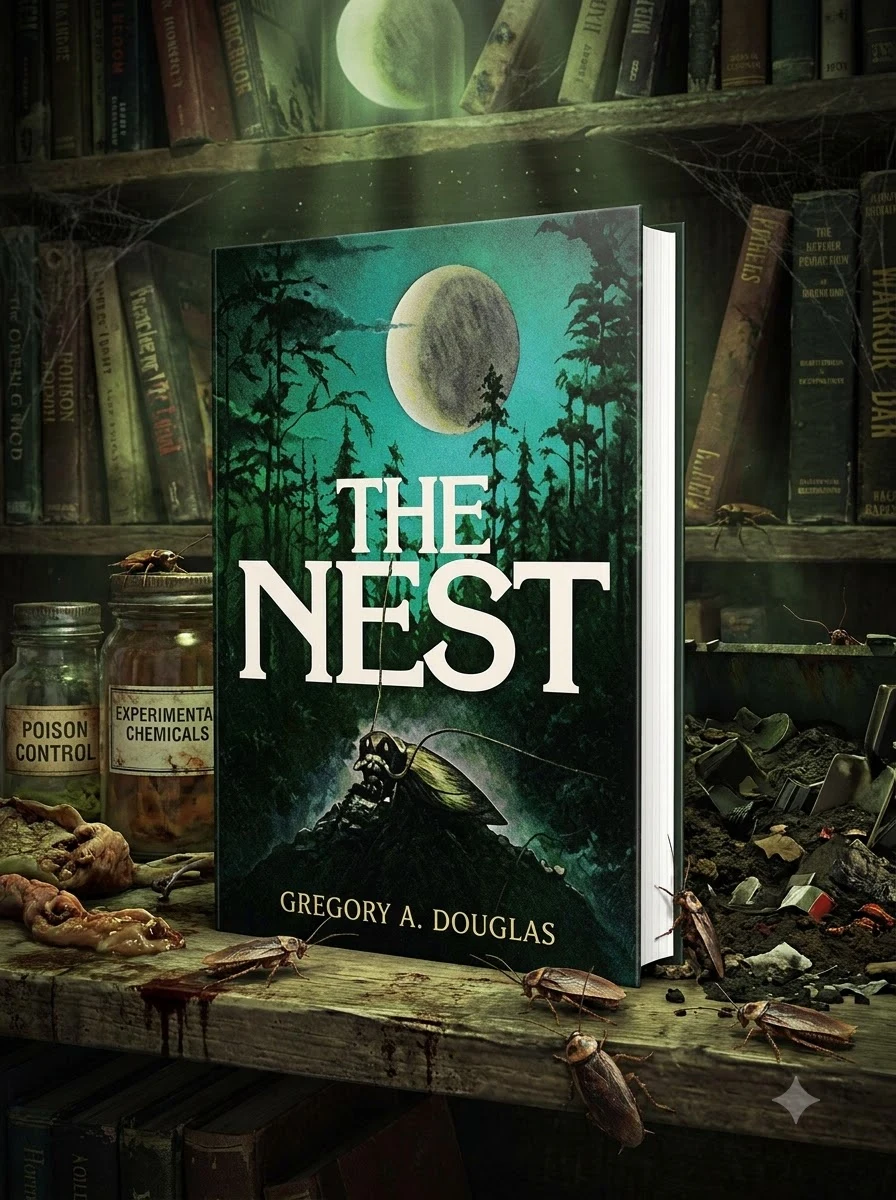
6. The Nest (Paperbacks from Hell) — Gregory A Douglas
No exploration of vintage pulp is complete without acknowledging the "nature run amok" subgenre. Animals attacking people was a guaranteed way to sell books, and this novel is a prime example of the trope executed with maximum ferocity. This is not a subtle book. It is a loud, aggressive, and highly entertaining slice of creature-feature chaos that leans heavily into visceral descriptions and escalating body counts.
This novel is perfectly suited for readers who want pure, unadulterated pulp fun. It delivers exactly what the wild, foil-stamped covers of the era promised: frantic action, desperate survivors, and an overwhelming, insurmountable threat from the natural world. If you enjoy the cinematic pacing of B-movies and the unabashed thrill of survival horror, this book will keep you furiously turning pages until the very end.
How to Choose Your Next Vintage Horror Fix
Navigating the wild world of 70s and 80s pulp can feel overwhelming, even with a curated list. The sheer variety of subgenres means that a book one reader considers a masterpiece might be entirely unappealing to someone else. When selecting your next read from this era, the most important factor is identifying the specific flavor of dread you are currently craving.
If you want to understand the history, the business, and the ridiculous trends that shaped the genre, you must start with the non-fiction guide. It provides the necessary context to appreciate the fiction on a deeper level. If you are in the mood for grounded, realistic suspense that plays on social dynamics and paranoia, gravitate toward the small-town thrillers like the farming community nightmare detailed above. These books require patience but reward you with deeply unsettling character studies.
On the other hand, if you want something fast, aggressive, and cinematic, lean into the "nature run amok" or creature-feature titles. These stories are built for speed and shock value, offering the literary equivalent of a late-night drive-in movie. Finally, if you want something that will genuinely disturb you—stories that test your endurance and linger in your mind like a bad memory—seek out the psychological, captivity-themed narratives. Regardless of which path you choose, these rescued texts prove that the golden age of the mass-market paperback still has plenty of teeth left.