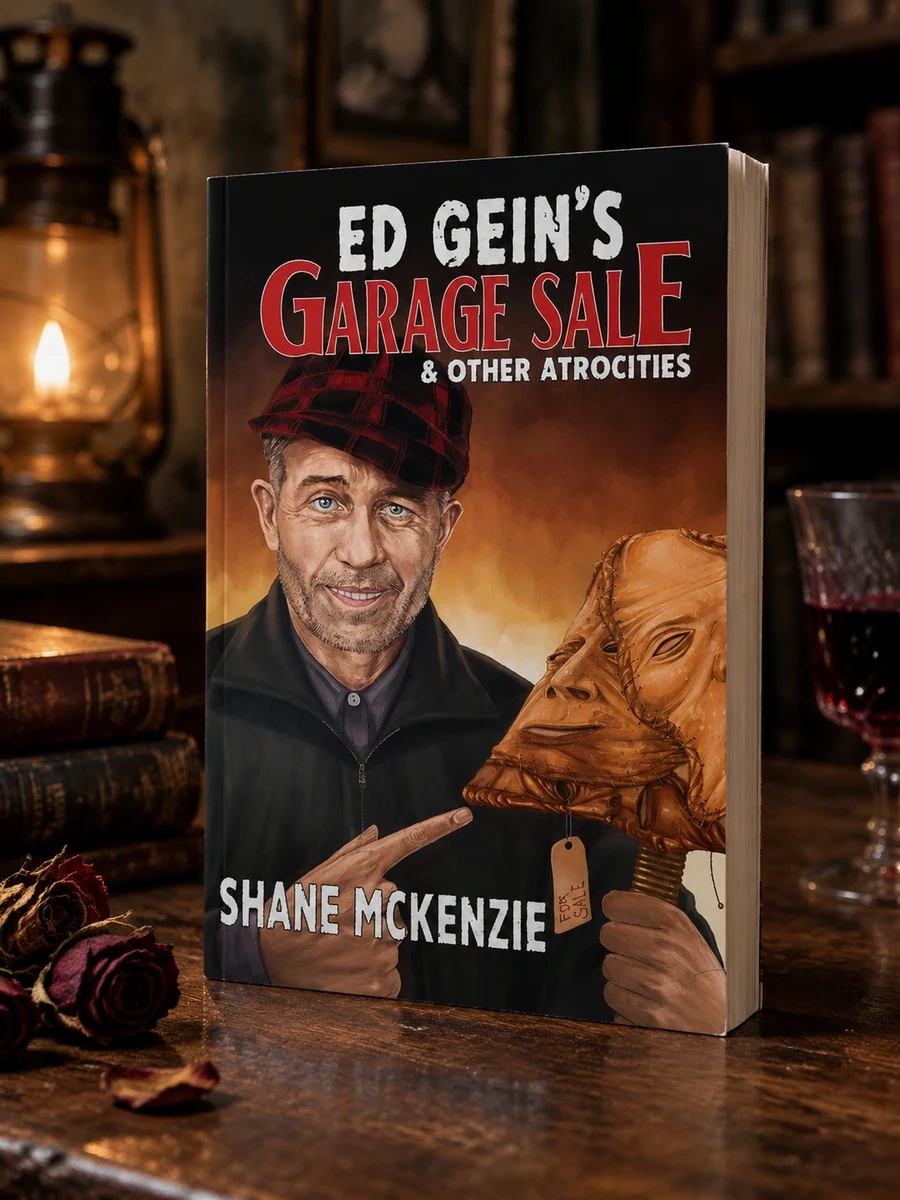
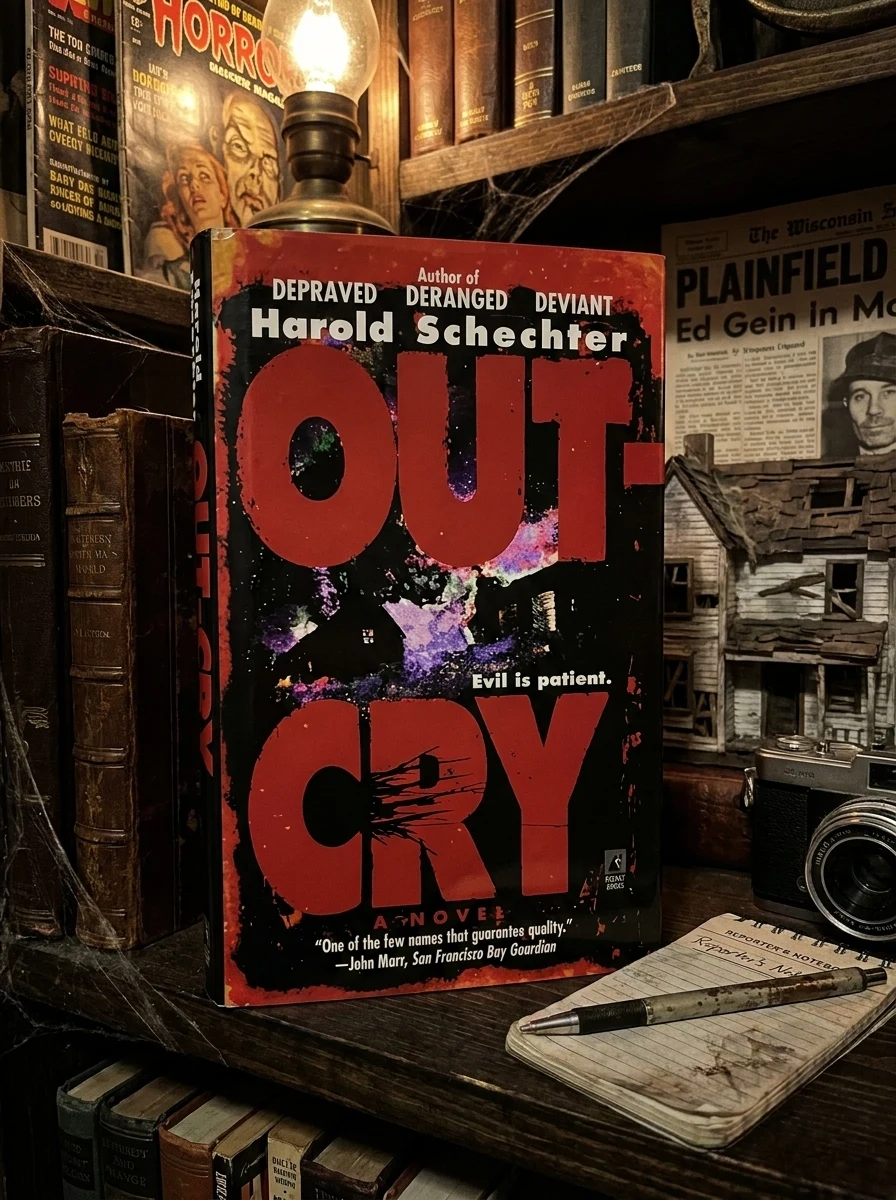
🩸Horror Tradition
Ed Gein
Edward Theodore Gein, notorious as the Butcher of Plainfield, was an American murderer and body snatcher whose 1957 crimes shocked the nation and inspired enduring horror fiction tropes.
Full Definition
In depth
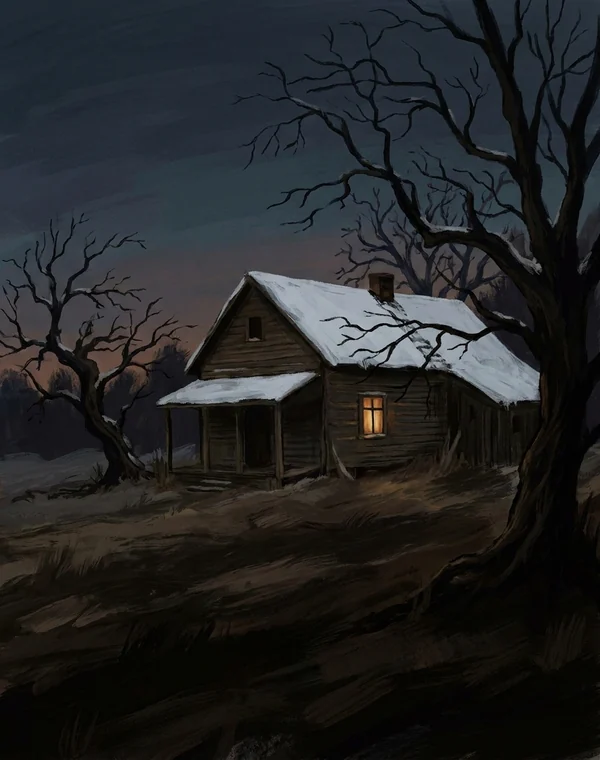
What Happened Edward Theodore Gein, also known as the Butcher of Plainfield and the Plainfield Ghoul, was an American murderer and body snatcher. His crimes, committed around his hometown of Plainfield, Wisconsin, gathered widespread notoriety in 1957 after authorities discovered that he stole corpses from local graveyards and fashioned keepsakes from their bones and skin. He also confessed to killing two women: tavern owner Mary Hogan in 1954 and hardware store owner Bernice Worden in 1957.
Where the Story Outgrew the Facts While the documented record centers strictly on Gein's actual confessions regarding Mary Hogan and Bernice Worden alongside his grave-robbing activities in Wisconsin, popular culture and sensationalized retellings vastly expanded upon these real events. Later tellings frequently embellished the scale of his murders, attributing numerous unsolved homicides to him, exaggerated the degree of cannibalism, and transformed his isolated farmhouse crimes into a sprawling mythos of industrial-scale slaughter that far exceeded the verified historical evidence.
In Horror Fiction The chilling reality of Edward Theodore Gein's crimes served as a direct inspiration for landmark works in the horror genre. Most notably, Robert Bloch drew heavily from the Plainfield case when writing his psychological thriller novel Psycho. Furthermore, the broader legacy of Gein's horrific acts and grave robbing cast a long shadow over subsequent cinematic and literary milestones, shaping archetypes of the isolated, disturbed rural killer that became staples of modern horror storytelling.
Why It Still Haunts Us The case of Edward Theodore Gein continues to captivate and terrify the public imagination because it exposes the terrifying proximity of ordinary rural life to unimaginable depravity. By shattering the illusion of safety in a quiet Wisconsin town, Gein's actions forced society to confront the chilling reality that true monsters can wear the mask of a quiet neighbor, turning the sacred boundaries of home and graveyard into sites of profound violation.
Source: Wikipedia
Connected Concepts
Related horror terms
Further Study