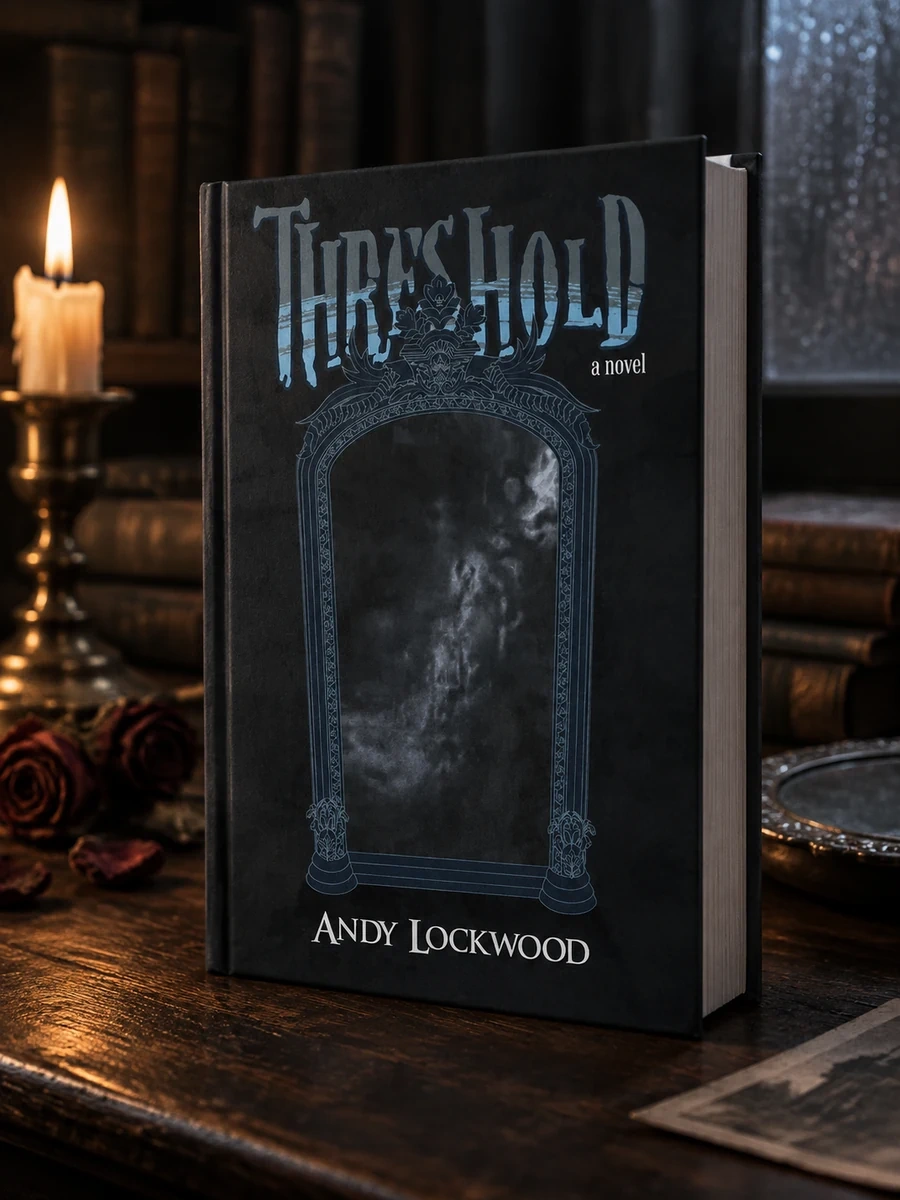
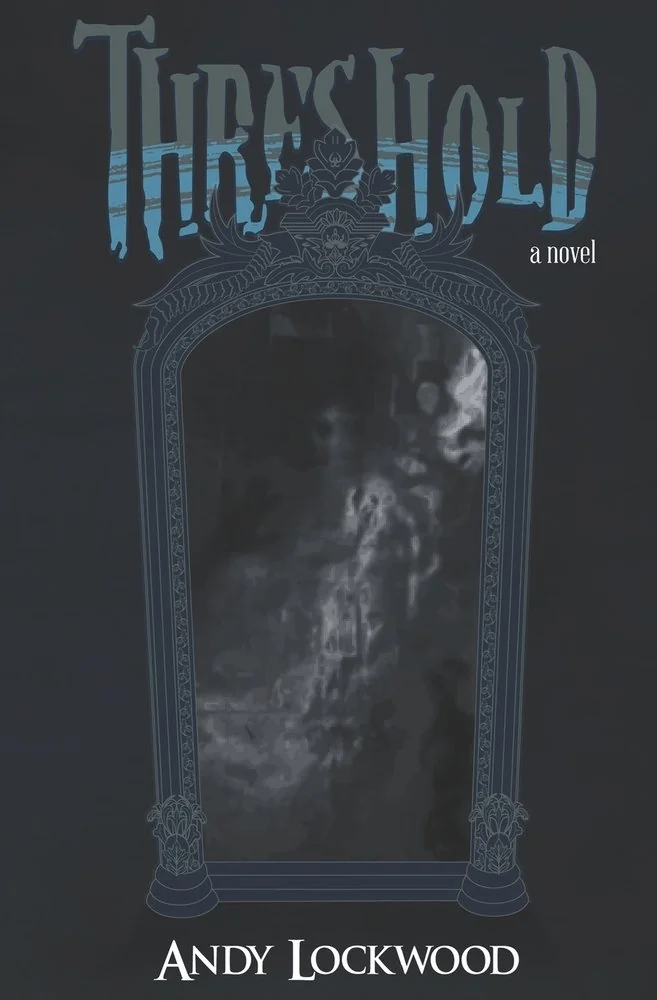
Threshold
A woman inherits a haunted mirror that distorts her reality after her grandmother dies.
Cate receives an antique mirror from her deceased grandmother. The glass shows a reflection that feels wrong, though she cannot identify the specific distortion. No history exists for the mirror, and its last owners are gone. As Cate investigates the artifact, her daily routine unravels. Nightmares become frequent, and the reflection seems to watch her with intent. She questions if her mental state is failing or if the object is active. The narrative tracks her isolation as she tries to understand the curse without support. Lockwood uses this premise to explore themes of grief and identity loss through a supernatural lens.
This work sits within the American horror tradition of haunted objects, published in 2020. It draws on gothic fiction tropes where ancestral items carry malevolent weight. The story reflects contemporary anxieties about mental health and isolation.


📝 Description: Threshold
💎 Our verdict on Threshold
📖 Why choose it
Why this book is worth reading
Readers who appreciate atmospheric dread and slow-burn psychological terror will find this novel deeply rewarding. It appeals to those who enjoy gothic fiction where domestic spaces become sites of horror, offering a nuanced exploration of grief and identity loss through a supernatural lens. The book suits fans of the uncanny valley effect and distorted self-image narratives. Those seeking fast-paced action or clear resolutions may find the ambiguity unsettling, but it offers a compelling study of isolation and paranoia for those willing to sit with uncertainty.
⭐ Reader reviews
Reader rating
Lockwood crafts a chilling exploration of grief using the antique mirror as a conduit for psychological unraveling. The narrative excels in building tension through Cate’s growing paranoia and the subtle wrongness of her reflection. By focusing on the uncanny valley effect rather than explicit jump scares, the author creates a lingering sense of dread. This approach suits readers who prefer atmospheric horror over visceral gore. The ambiguity regarding the mirror's origin and Cate's mental state provides a thought-provoking experience. While it lacks traditional resolution, its strength lies in the emotional weight of inherited trauma and the terrifying intimacy of being watched by one’s own image.
You might also like
See more →




Have a question about this item?
Ask about the edition, condition, delivery or anything else — we reply by email or phone, usually within a day.
