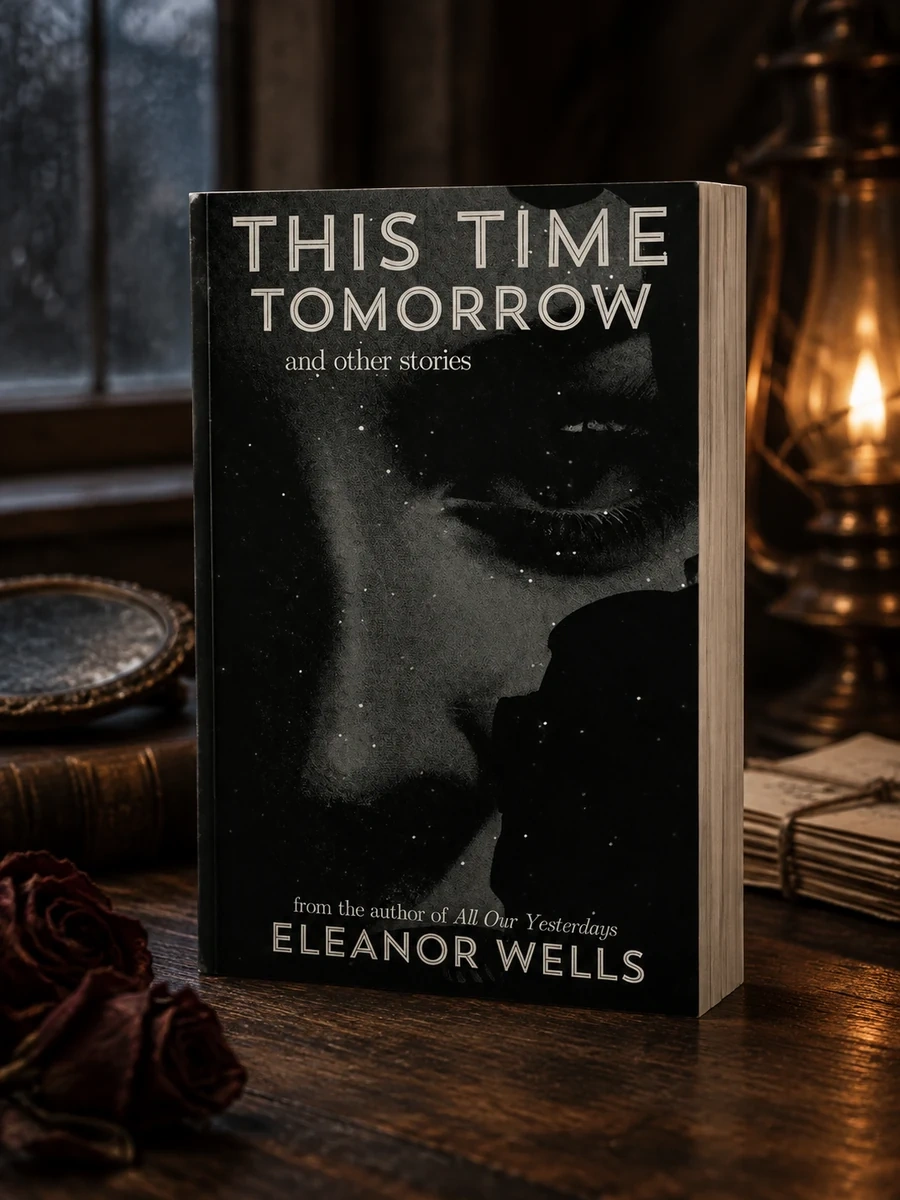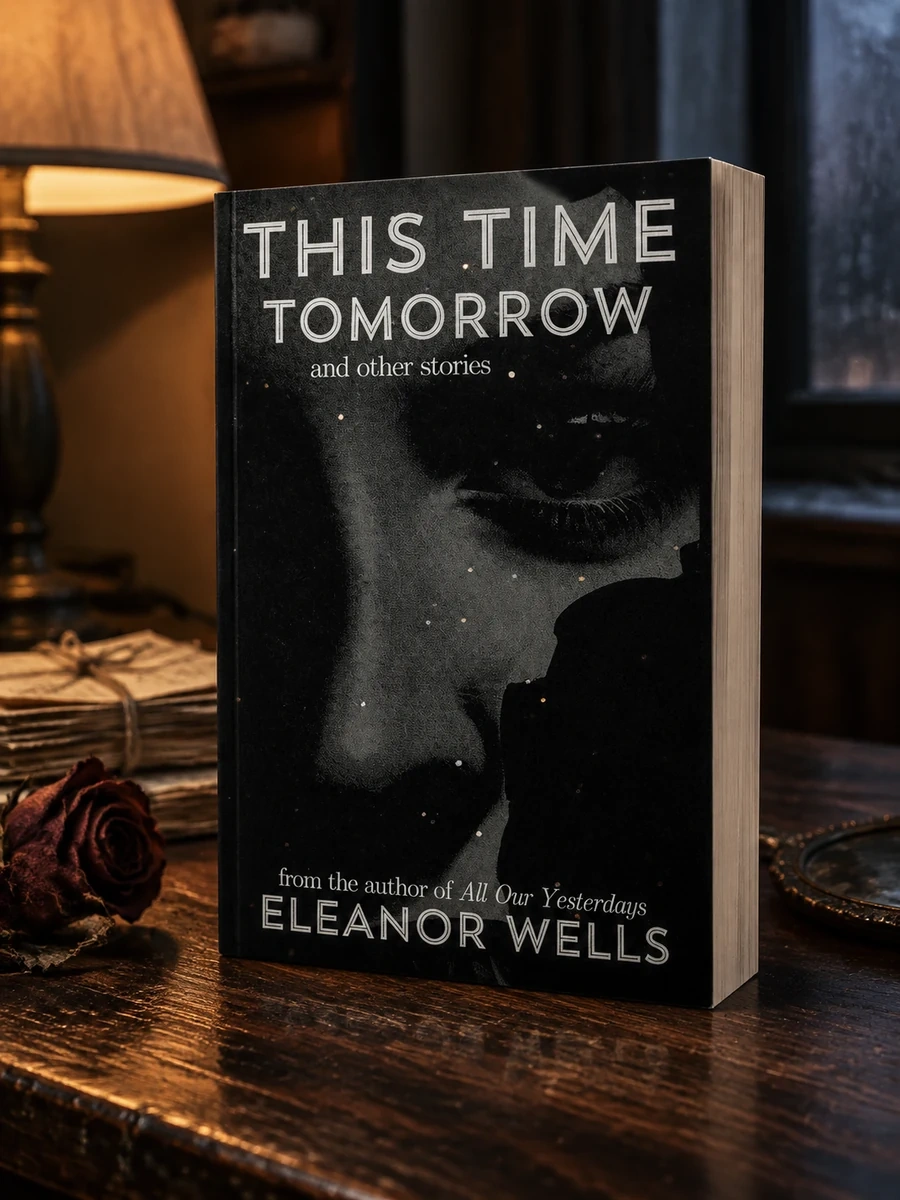
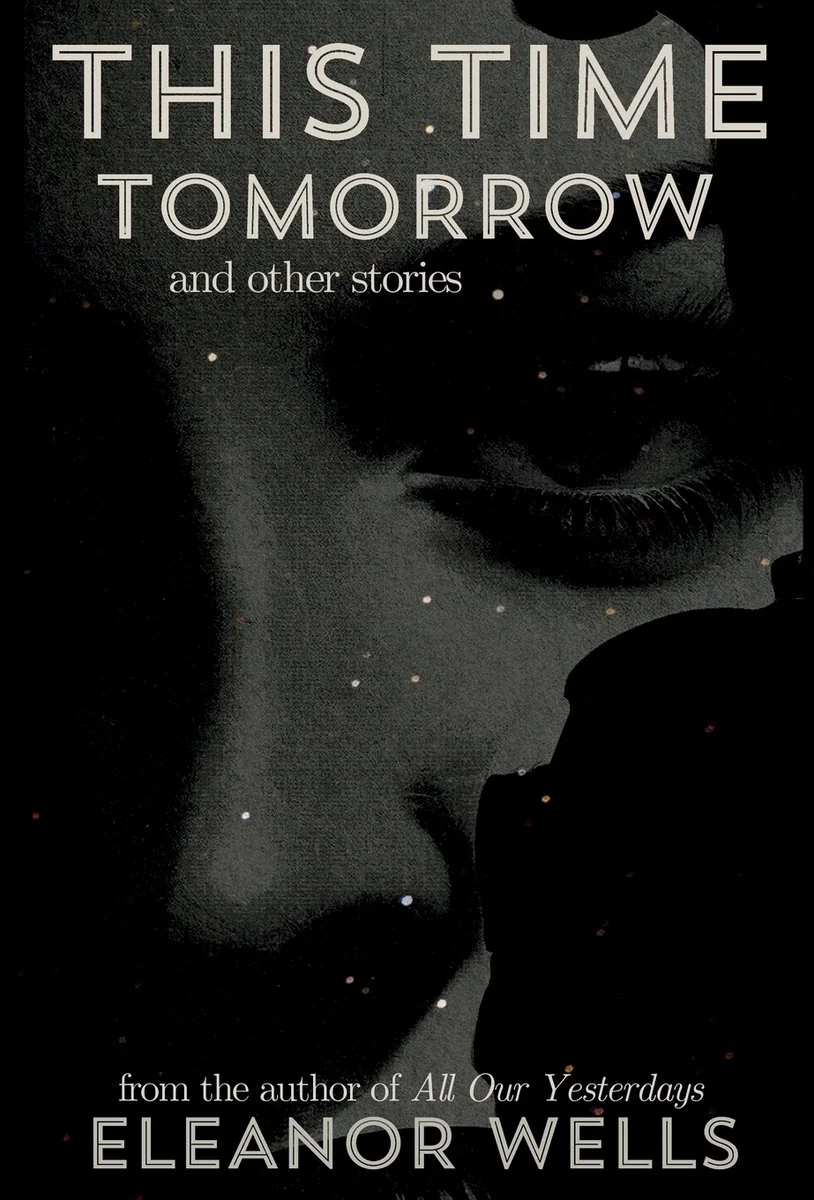
This Time Tomorrow: and other stories
Ten stories about lonely women facing the cost of human connection.
This volume examines how isolation shapes the perception of danger in modern urban settings. The characters are not fighting monsters but confronting the psychological weight of their surroundings. Wells uses specific scenarios like neighborly horror and professional stalking to illustrate her points. The collection avoids grand gestures, focusing instead on the immediate aftermath of distress. Readers will find a consistent tone that blends suspense with deep character study. The stories do not offer easy resolutions but rather highlight the necessity of moving forward. This approach creates a cohesive atmosphere of unease throughout the text.
The collection sits within the tradition of psychological horror and gothic fiction. It draws on the suspense style of Alfred Hitchcock and the introspective tone of Rod Serling. The stories are set in contemporary locations like London and focus on modern social dynamics.


📝 Description: This Time Tomorrow: and other stories
💎 Our verdict on This Time Tomorrow: and other stories
📖 Why choose it
Why this book is worth reading
Readers who prefer suspense rooted in psychological realism over traditional monster tropes will find this collection rewarding. It appeals to those interested in the nuanced exploration of isolation and the anxiety inherent in modern urban living. The book is ideal for audiences seeking deep character studies that examine the cost of human connection through mundane terrors. Fans of atmospheric dread and stories focusing on the quiet, lingering impact of trauma will appreciate Wells' approach. It offers a cohesive experience for those who enjoy narratives that prioritize introspection and the immediate aftermath of distress rather than fast-paced action or grand gestures.
⭐ Reader reviews
Reader rating
Eleanor Wells crafts a compelling anthology that examines how isolation shapes the perception of danger in contemporary settings. By focusing on isolated young women, she effectively blends Hitchcockian suspense with deep psychological introspection. The stories avoid easy resolutions, instead highlighting the necessity of moving forward despite trauma. This approach creates a consistent atmosphere of unease without relying on supernatural spectacle. The collection is particularly well-suited for readers of modern gothic themes and psychological horror who appreciate character-driven narratives. While it may not satisfy those seeking traditional monster stories or action, its focus on everyday fears provides a unique and lingering dread. Wells successfully illustrates the weight of surroundings through specific scenarios like neighborly horror.