The Yesteryear Phantom
A ghost in motoring gear haunts a Maine summer theatre.
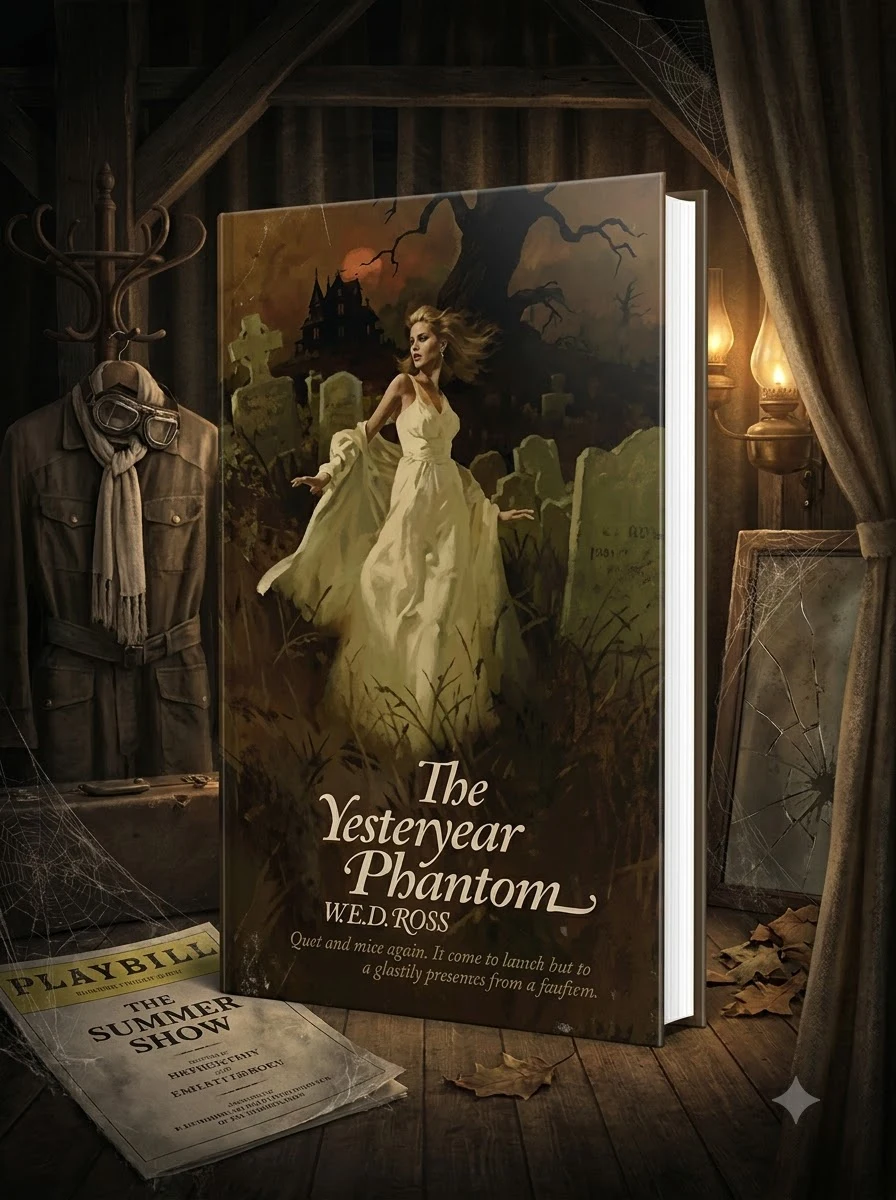
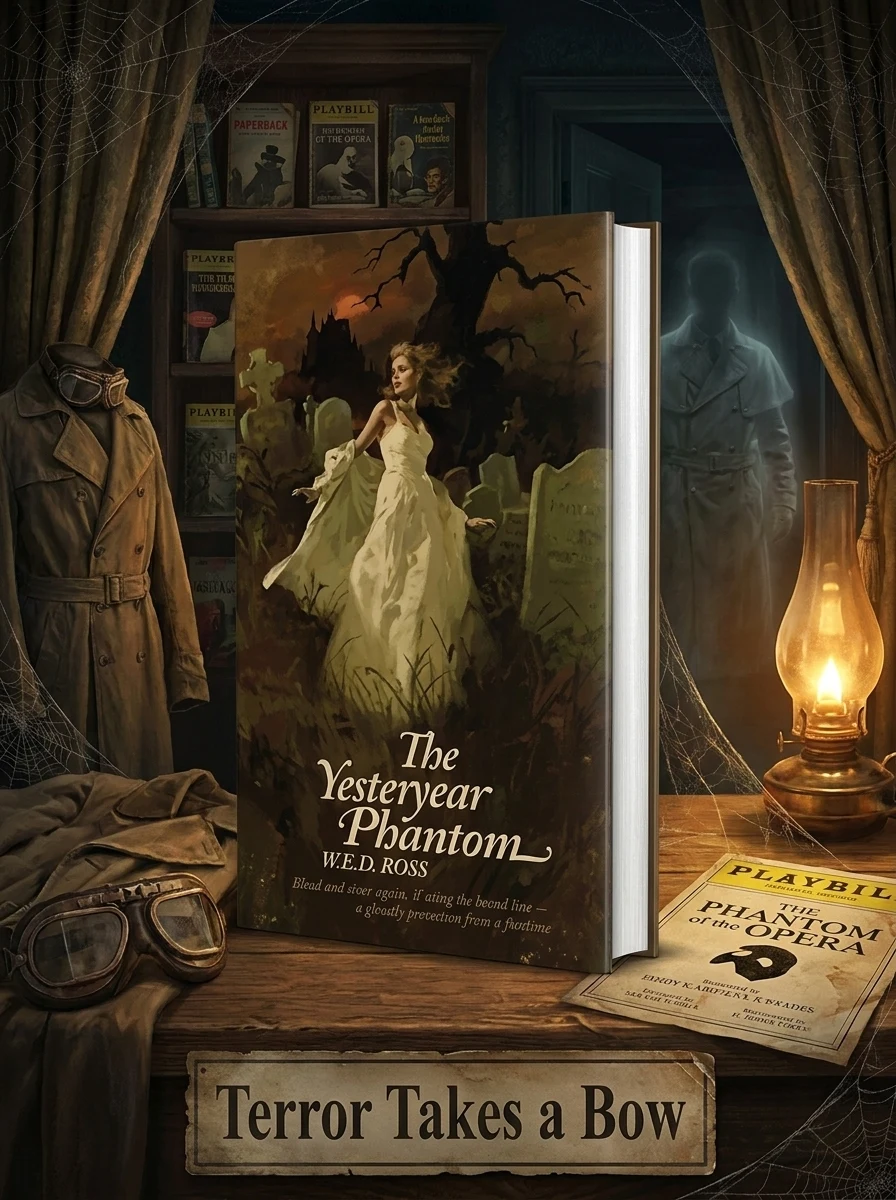
Joyce Wales visits a summer theatre in Maine, unaware of the terror awaiting her. She senses a sinister presence in the building's hidden corners. A violent ghost appears, wearing the motoring costume of a previous time. This figure ignores physical obstacles to threaten a show and a life. Joyce suffers nightmares linking the August heat to the phantom. The story uses the theatre as a stage for supernatural events. Ross writes about the intersection of seasonal weather and spectral activity. The narrative focuses on the dread of an unseen observer. The setting provides a unique context for the haunting. The ghost's attire grounds the horror in a specific era.
This work sits within the tradition of American gothic fiction, specifically focusing on supernatural encounters in isolated or mundane settings like a summer theatre. It draws on early twentieth-century aesthetics through the phantom's motoring costume, reflecting the era's fascination with new technology and its eerie potential.


📝 Description: The Yesteryear Phantom
💎 Our verdict on The Yesteryear Phantom
📖 Why choose it
Why this book is worth reading
Readers seeking atmospheric horror rooted in specific historical aesthetics will find this narrative compelling. It appeals to those who enjoy classic ghost stories set in unusual locations, offering a slow-burn encounter with a spectral figure tied to the past rather than modern psychological thrills. The unique context of a Maine summer theatre and the intersection of seasonal weather with spectral activity provide a distinct visual landscape. This book is ideal for fans of gothic atmosphere who appreciate how period details, such as early automotive fashion, can deepen the sense of dread and isolation inherent in traditional haunting tales.
⭐ Reader reviews
Reader rating
Ross constructs a tale that effectively blends gothic atmosphere with specific period details regarding early automotive fashion. The narrative excels in establishing the dread of an unseen observer within the musty confines of a summer theatre. By linking Joyce’s nightmares to the intense August heat, the author creates a palpable sense of oppression and inevitability. The ghost's motoring costume grounds the horror in a tangible era, making the supernatural threat feel immediate and visceral. This story suits readers interested in classic ghost stories set in unusual locations. It avoids fast-paced action, instead offering a slow-burn encounter that prioritizes mood and historical texture over shock value, resulting in a chilling yet refined reading experience.
📖 Read on the blog
✍️ More books by this author W E D Ross


🏛 Books from this publisher Paperback Classics
You might also like
See more →
Have a question about this item?
Ask about the edition, condition, delivery or anything else — we reply by email or phone, usually within a day.
