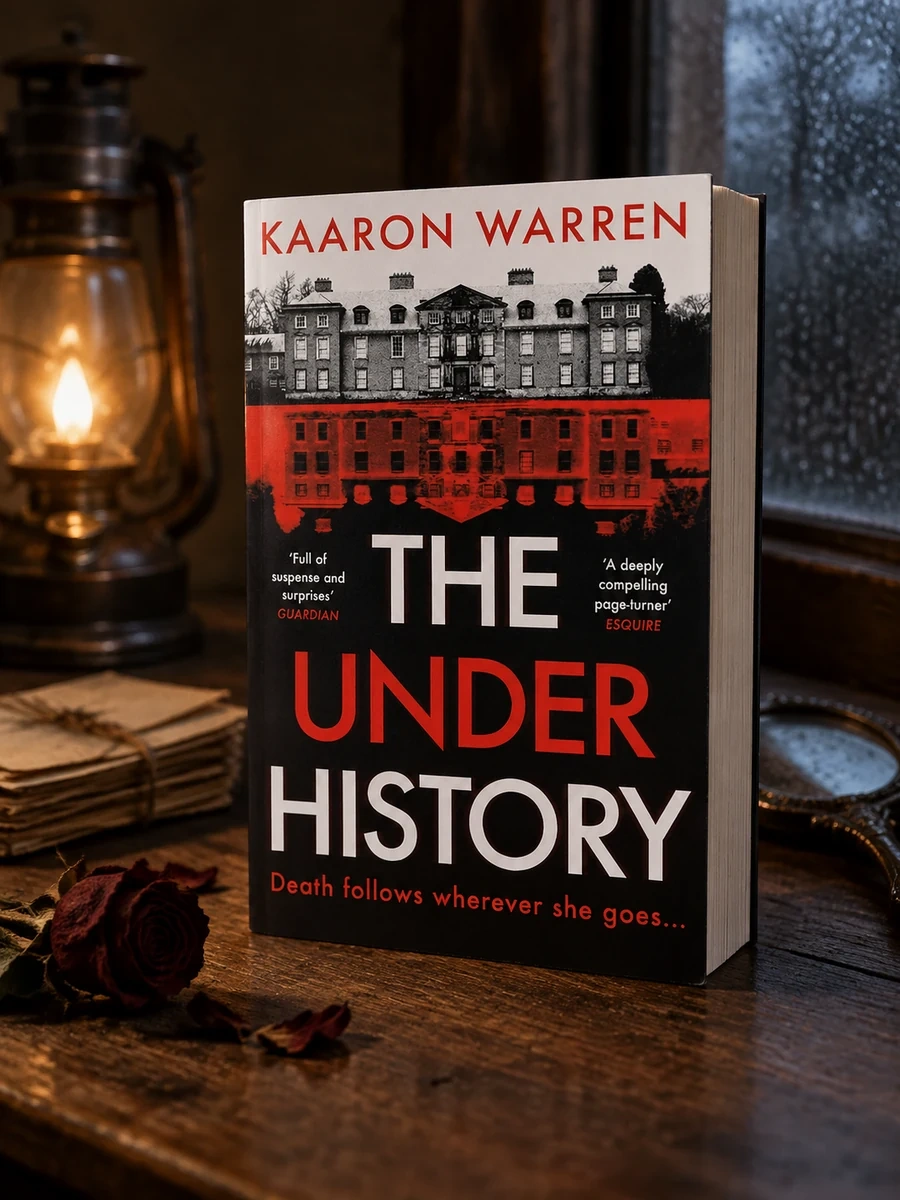


The Underhistory
A woman rebuilds her home after a tragedy and turns it into a death trap for intruders.
The Underhistory centers on Pera Sinclair, who reconstructs her family residence decades after a fire killed her relatives. She uses the house to tell stories of the dead, blurring the line between history and haunting. When violent men invade during a tour, the house reacts. The narrative does not rely on external monsters but on the accumulated weight of grief and memory stored in the walls. Warren presents a scenario where the protagonist is both victim and executioner, using the environment to exact justice. This approach offers a unique perspective on haunted house tropes by focusing on the builder’s intent rather than the ghosts’ needs.
The book is published in 2025 by Serpent's Tail. It fits within the tradition of gothic horror where the home is a character. The story draws on the period after personal tragedy, focusing on how individuals rebuild their lives and spaces amidst loss.


📝 Description: The Underhistory
💎 Our verdict on The Underhistory
📖 Why choose it
Why this book is worth reading
Readers who appreciate atmospheric horror centered on domestic settings and psychological tension will find this novel compelling. It appeals to those interested in gothic fiction where the home itself becomes an antagonist or protector, offering a unique perspective on haunted house tropes by focusing on the builder’s intent rather than ghostly demands. Fans of work that examines how grief reshapes physical spaces and persists in architecture will gain from this narrative. The book suits audiences seeking quiet dread over jump scares, providing a thoughtful exploration of loss and retribution through Pera Sinclair’s calculated reconstruction of her past.
⭐ Reader reviews
Reader rating
Kaaron Warren delivers a chilling narrative where grief transforms architecture into a weapon against intruders. By blurring the line between history and haunting, she creates a scenario where the protagonist is both victim and executioner. The story avoids external monsters, relying instead on the accumulated weight of memory stored in walls. This approach offers a fresh take on gothic fiction, grounding supernatural elements in psychological realism. While the pacing may feel deliberate for those seeking fast-paced action, it effectively builds quiet dread. The novel excels in its examination of how domestic spaces reflect trauma, making it an ideal choice for readers who enjoy atmospheric horror and complex explorations of retribution within confined, intimate settings.
📖 Read on the blog
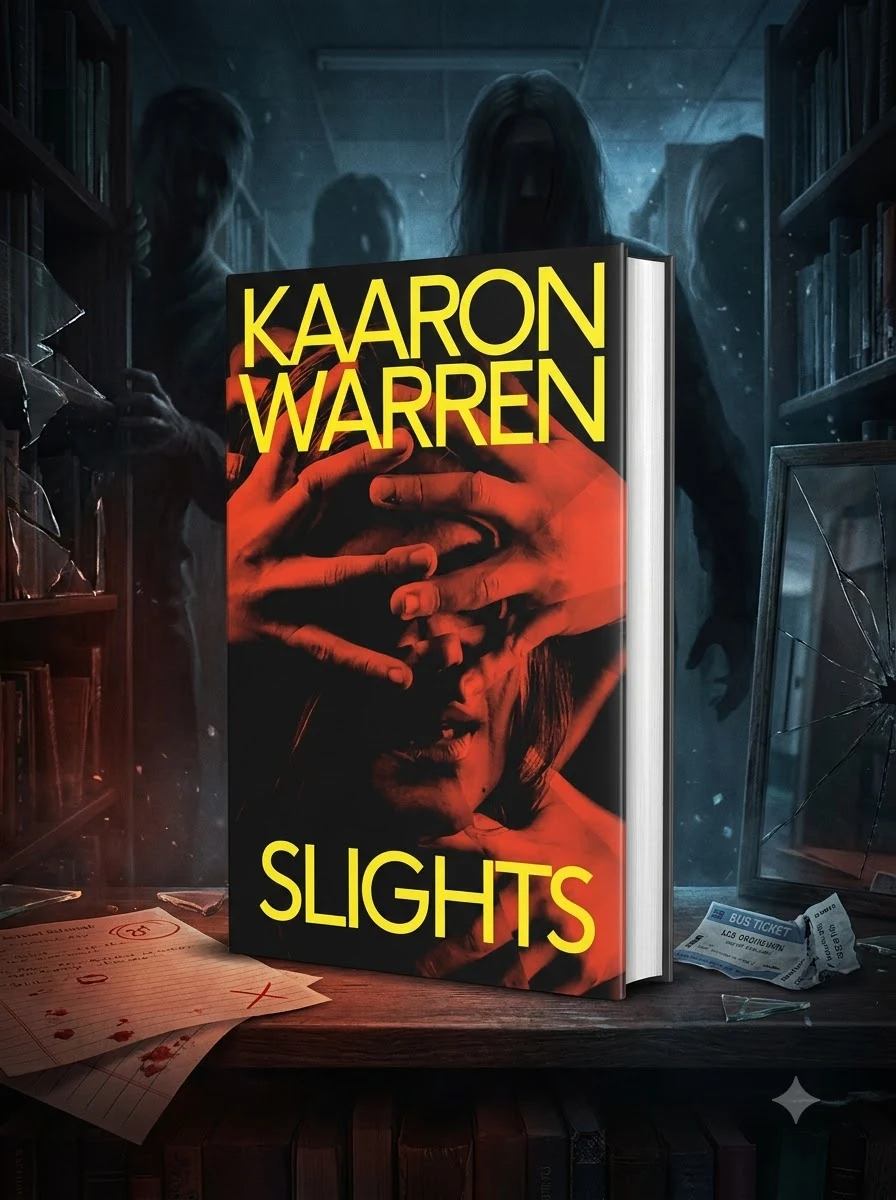
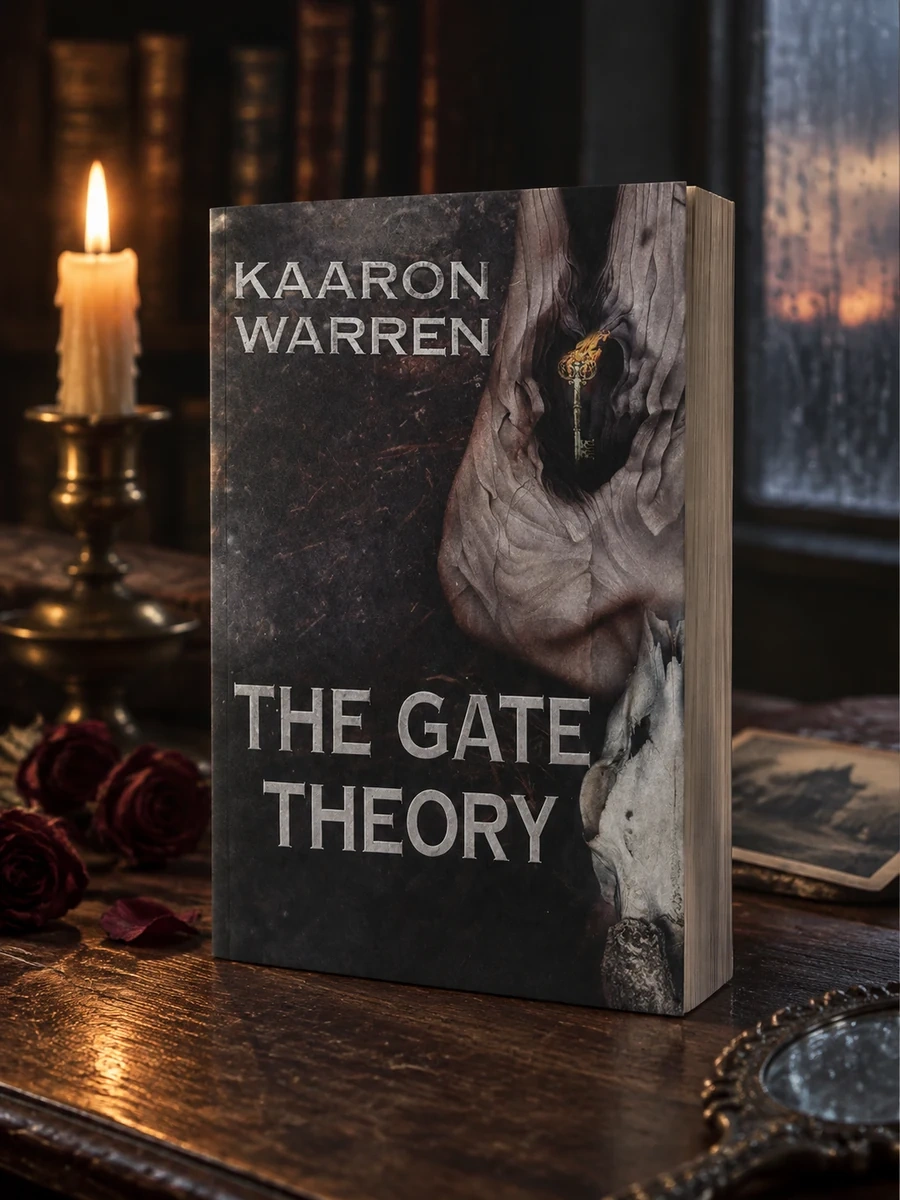
✍️ More books by this author Kaaron Warren



You might also like
See more →

Have a question about this item?
Ask about the edition, condition, delivery or anything else — we reply by email or phone, usually within a day.
