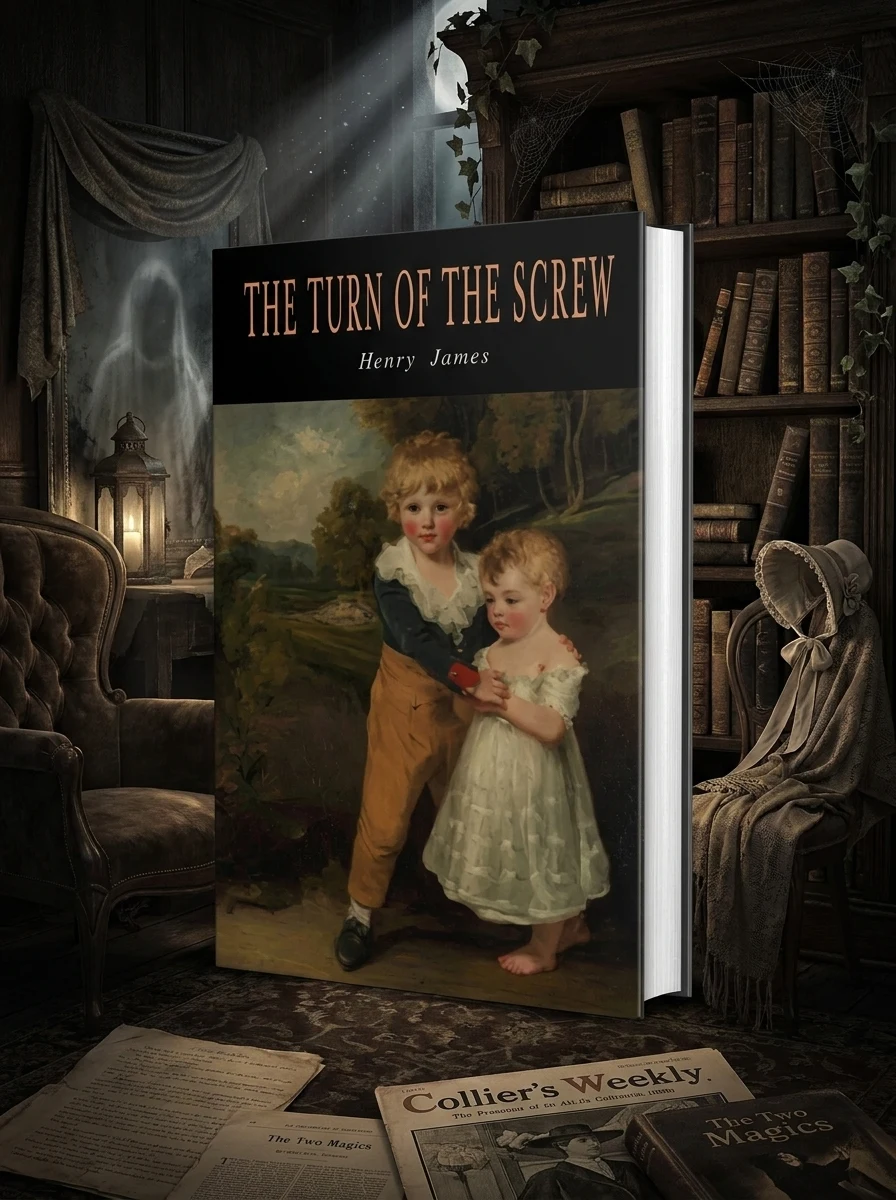
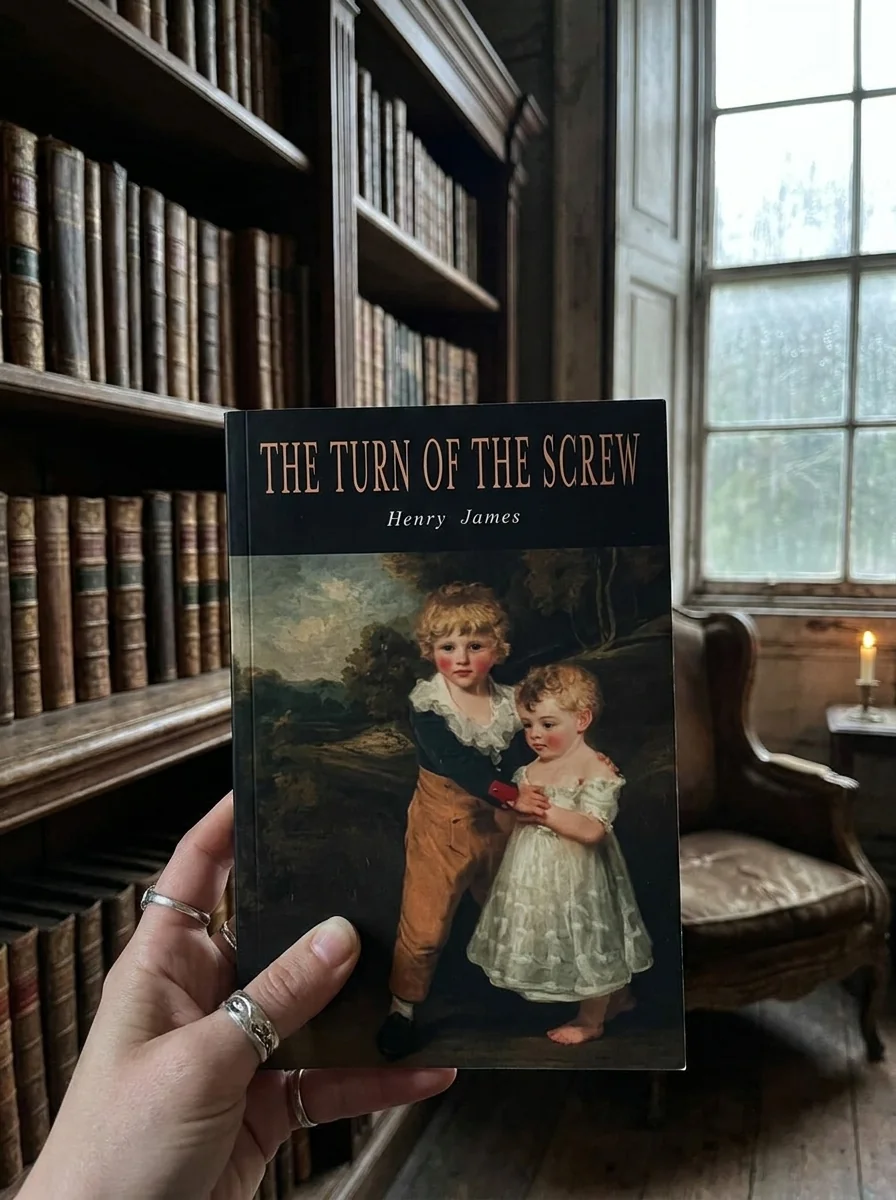
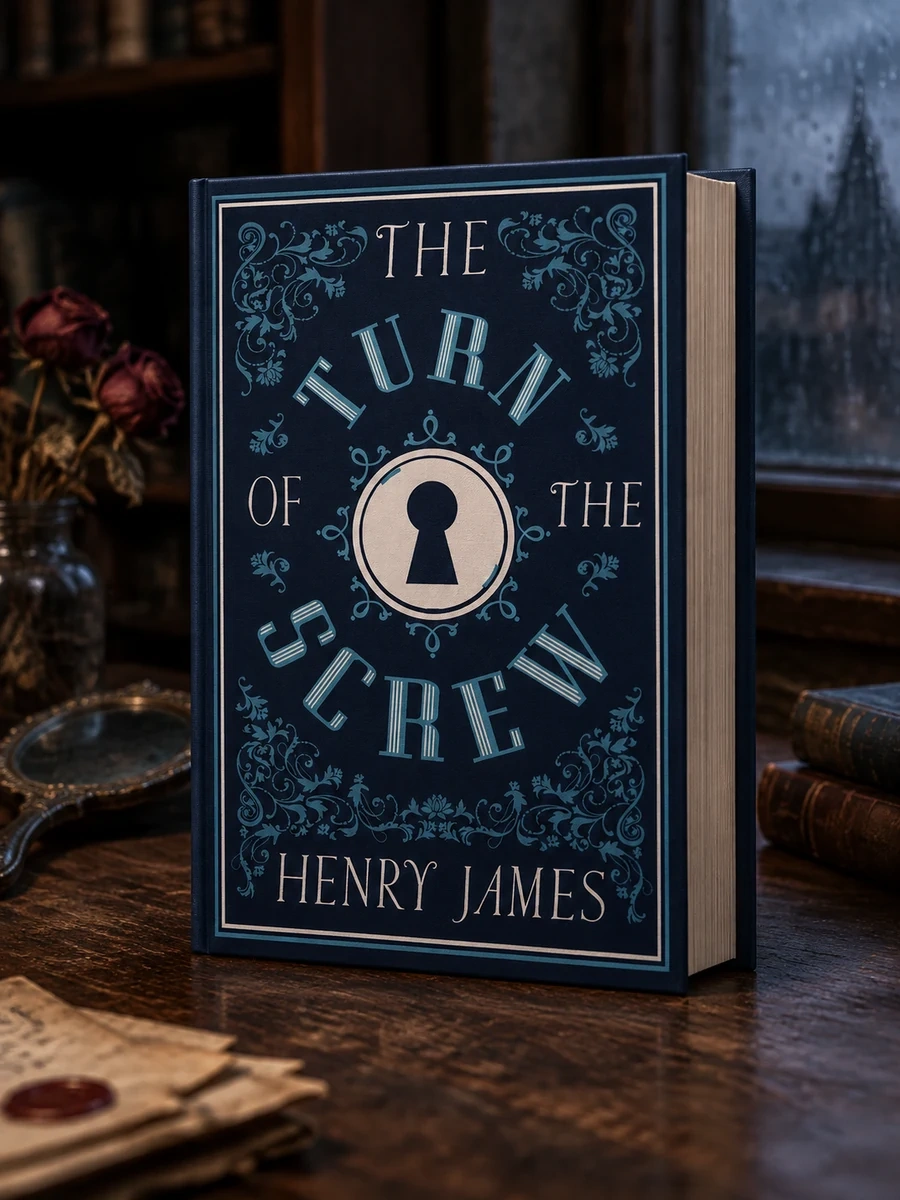
The Turn of the Screw
A 1898 gothic novella about a governess fearing hauntings at a remote estate.
The text examines how Henry James constructed suspense through ambiguity rather than explicit horror. It traces the work's journey from serial publication to book form in The Two Magics. The analysis focuses on the critical divide between those who view the ghosts as real and those who see them as projections of the governess's mind. This edition preserves the 1898 wording, allowing modern readers to engage with the original linguistic precision. The discussion highlights why the novella remains a key text for understanding gothic fiction traditions.
Published in 1898 by Macmillan and Heinemann, this work emerged during a period when ghost stories were gaining literary respect. It has influenced adaptations like The Turning and remains central to academic discussions on narrative reliability and gothic traditions.


📝 Description: The Turn of the Screw
💎 Our verdict on The Turn of the Screw
📖 Why choose it
Why this book is worth reading
Readers interested in gothic fiction and supernatural tales who enjoy analyzing ambiguous narratives will find this work rewarding. It appeals to those who appreciate early twentieth-century literary styles and the intricate construction of suspense. The novella offers a unique experience for those willing to engage with complex psychological themes rather than seeking clear resolutions. Its enduring presence in academic circles highlights its structural complexity, making it ideal for readers who want to explore the divide between real hauntings and mental projections. It provides a deep dive into how ambiguity can create an intimate sense of confusion and suspense within the reader.
⭐ Reader reviews
Reader rating
Henry James crafts a masterful study of suspense through ambiguity rather than explicit horror. The narrative centers on a governess at a remote estate, yet refuses to offer easy answers about the nature of the evil present. This edition preserves the original linguistic precision, allowing modern readers to engage with the tension of the serial format. While some may find the lack of resolution frustrating, those who appreciate early twentieth-century literary styles will value the work's enduring complexity. It succeeds by creating confusion and suspense, inviting readers to debate whether the ghosts are real or projections. A vital text for understanding gothic fiction traditions.
📖 Read on the blog
✍️ More books by this author Henry James
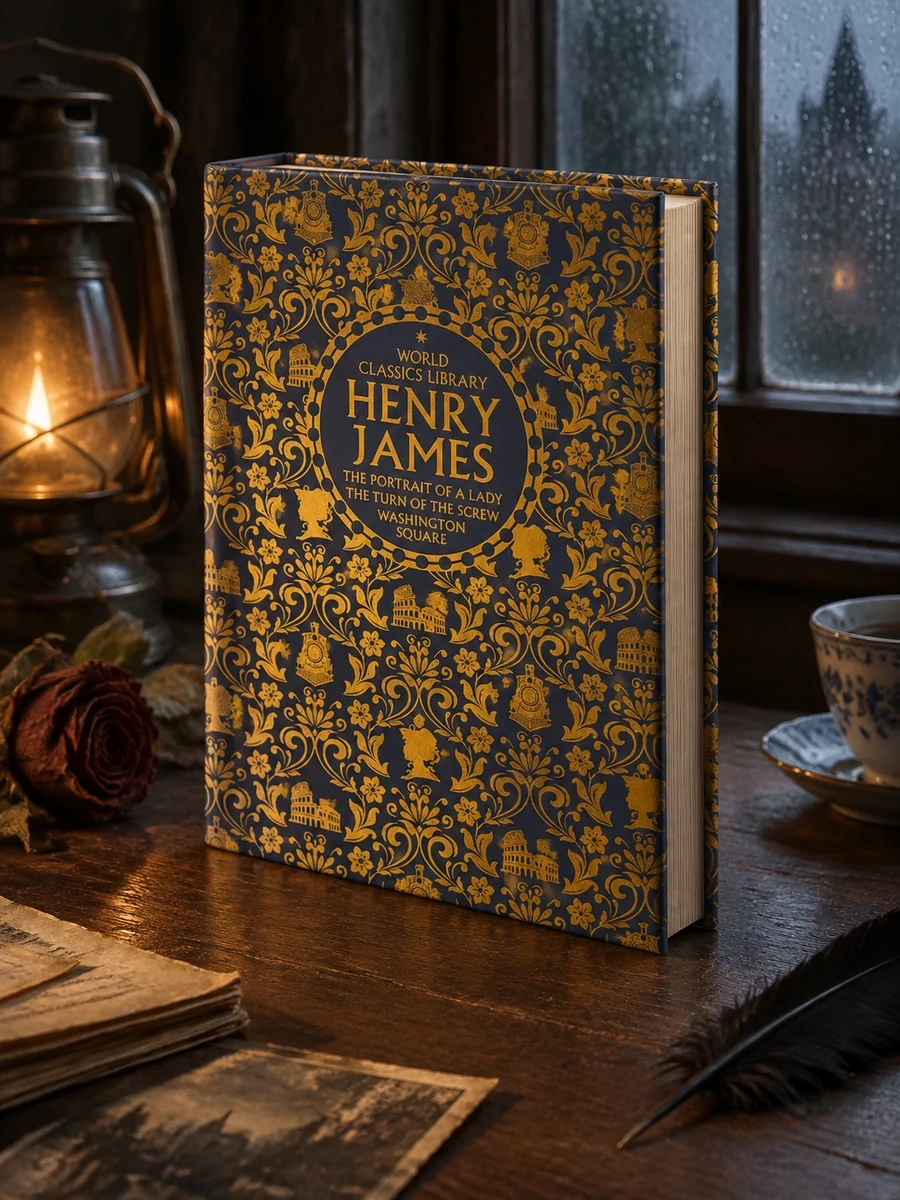


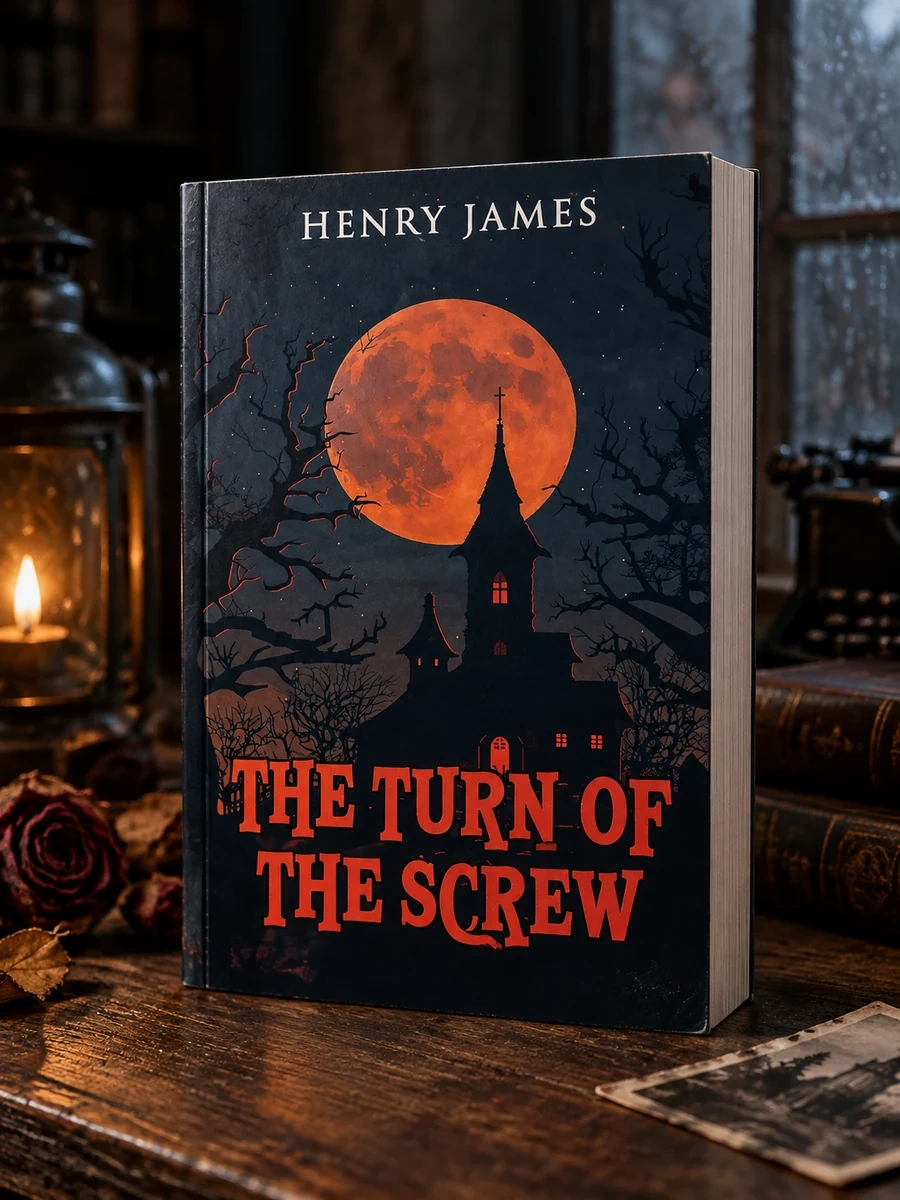
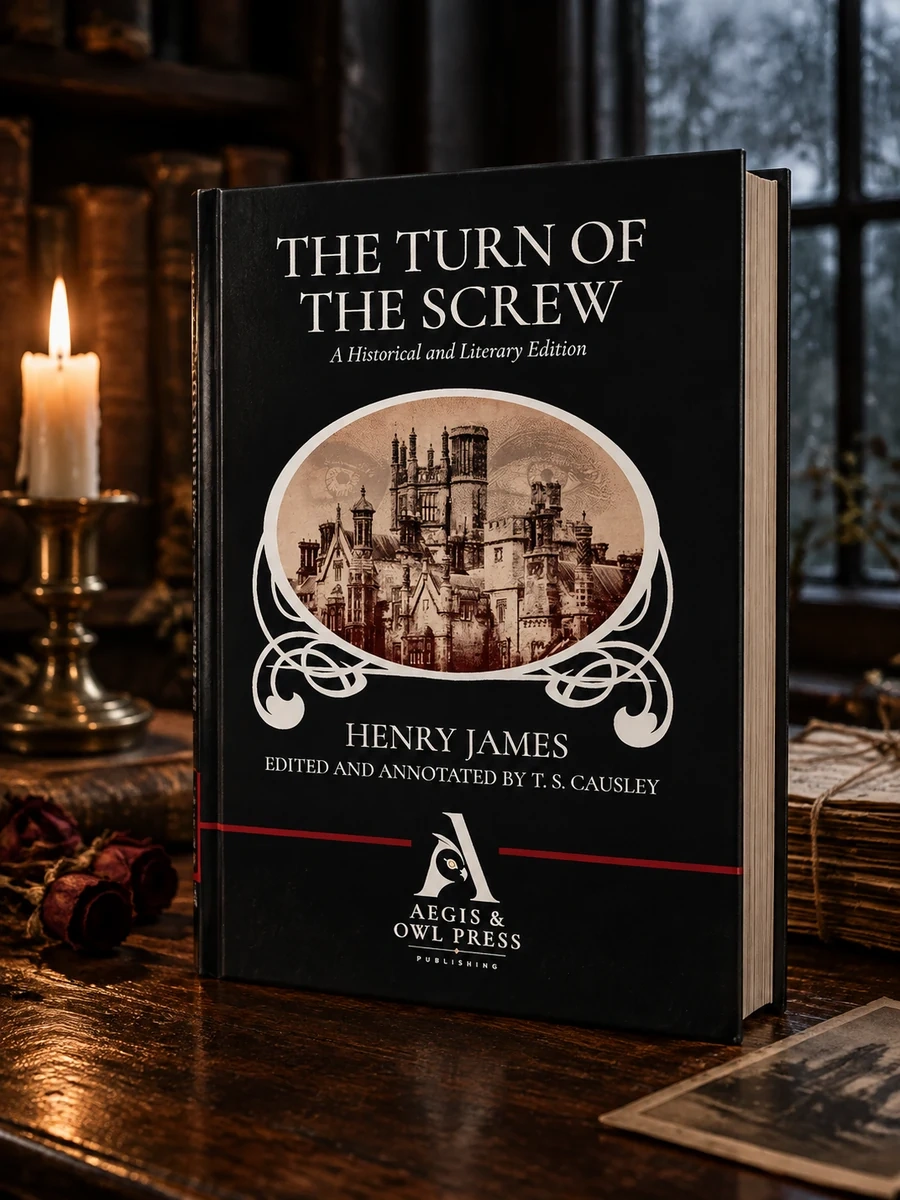
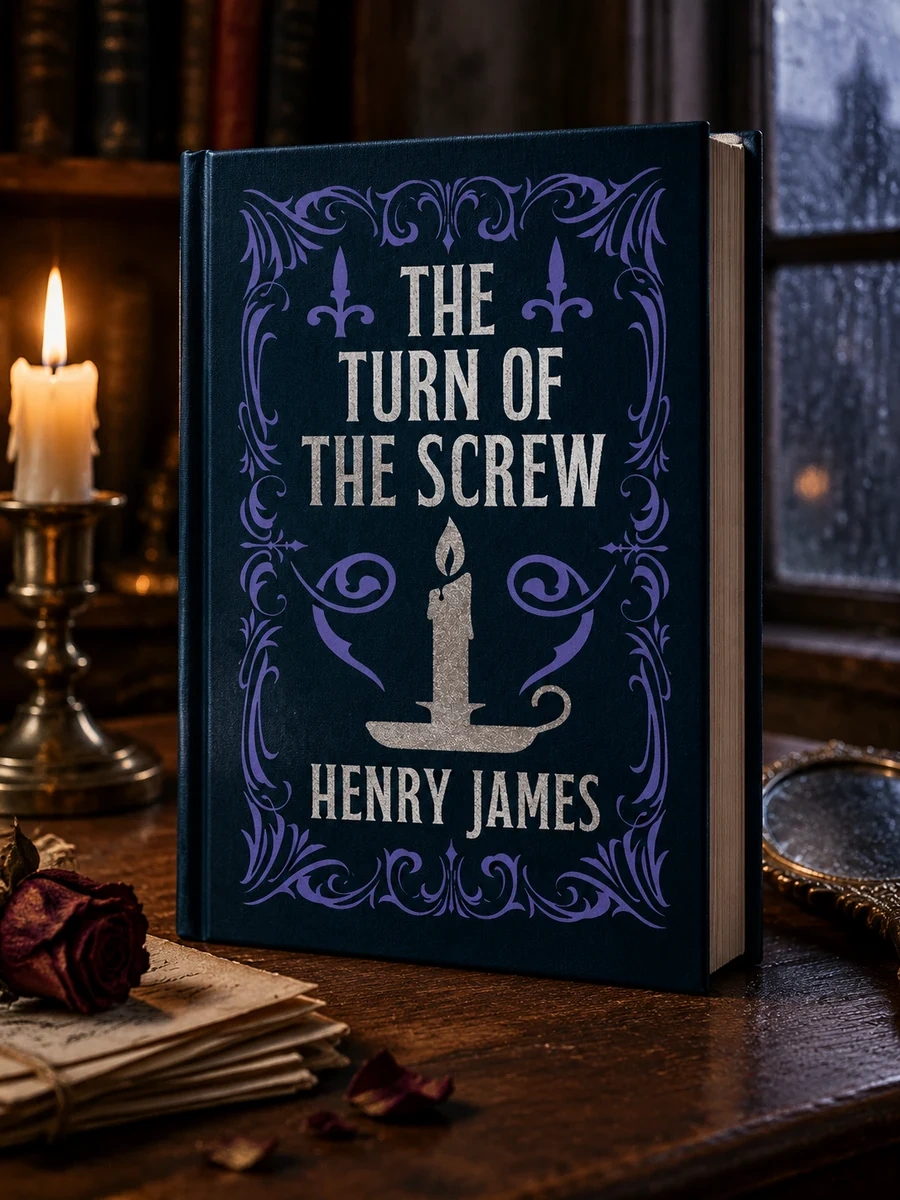
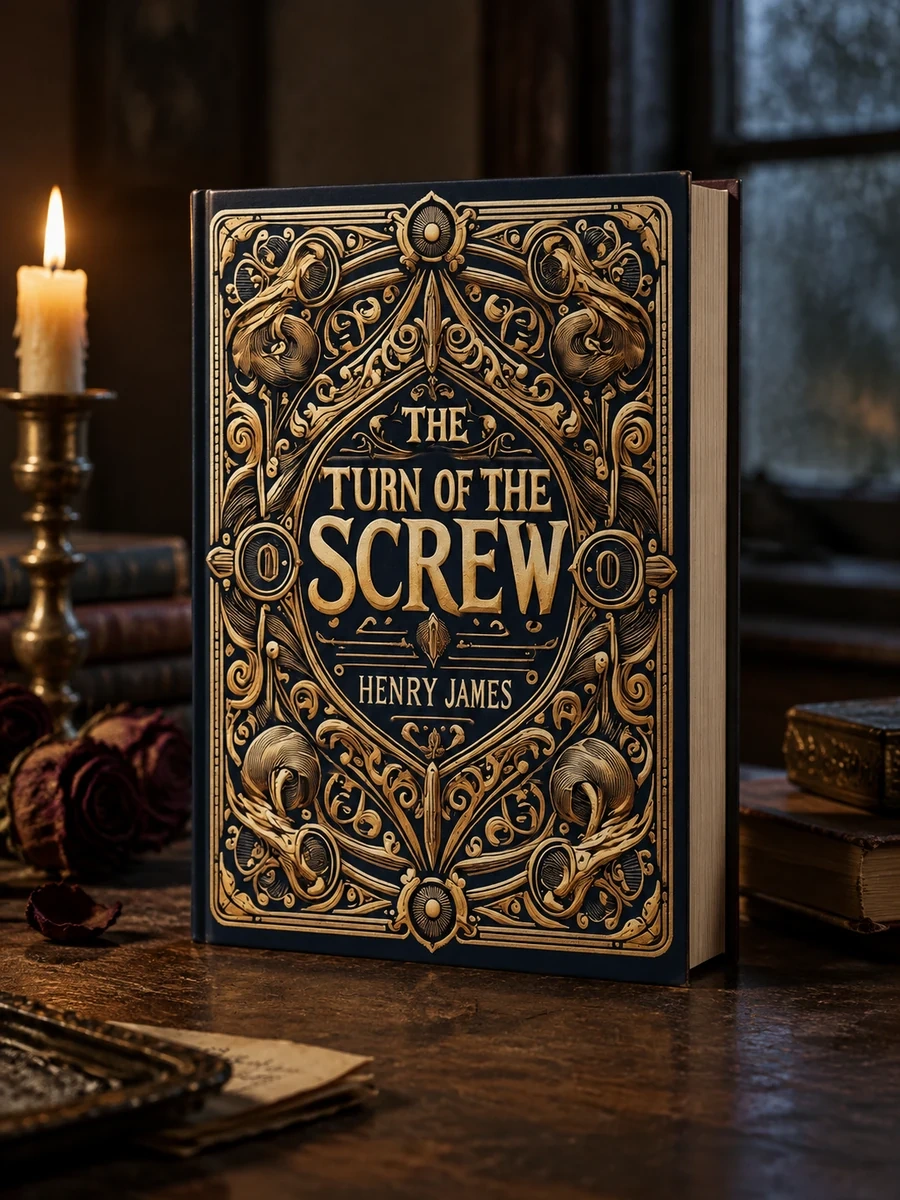
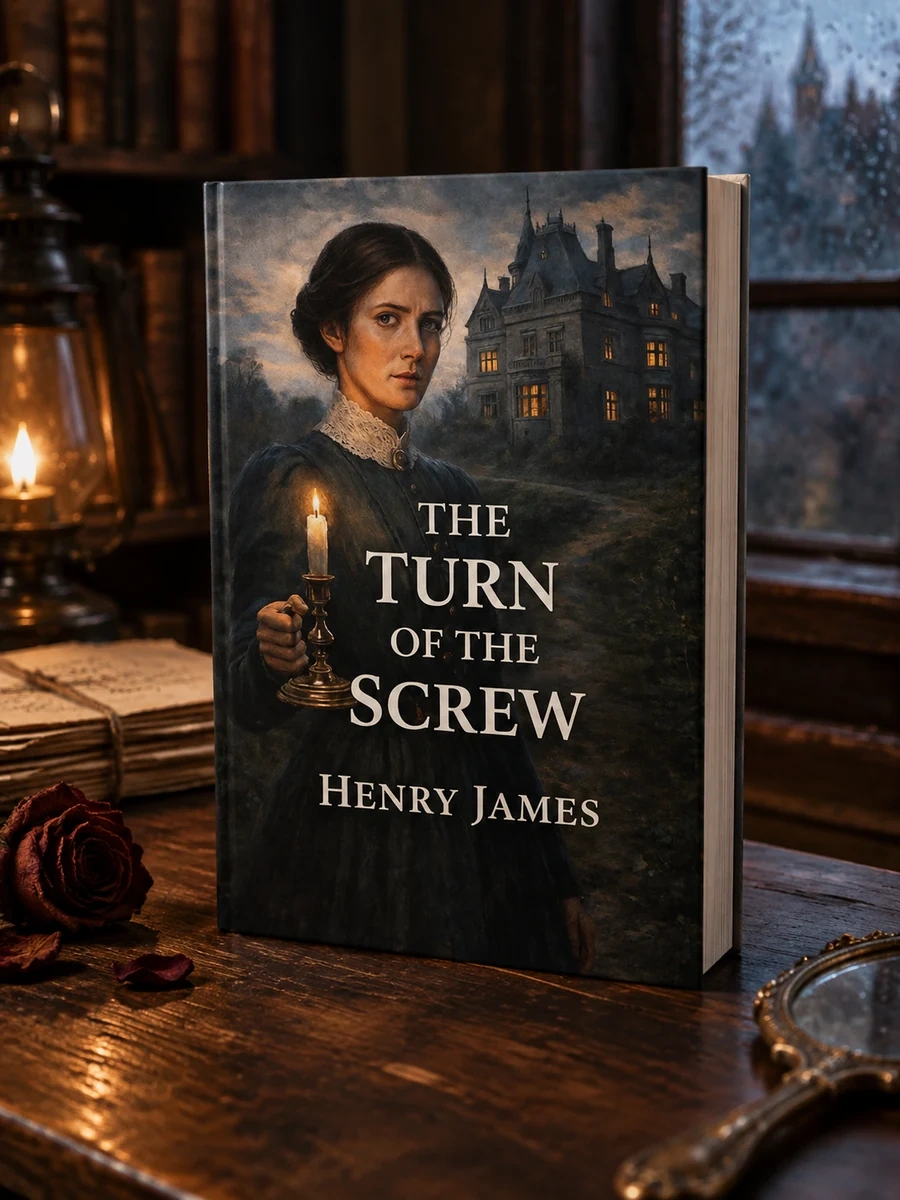
🏛 Books from this publisher Martino Fine Books
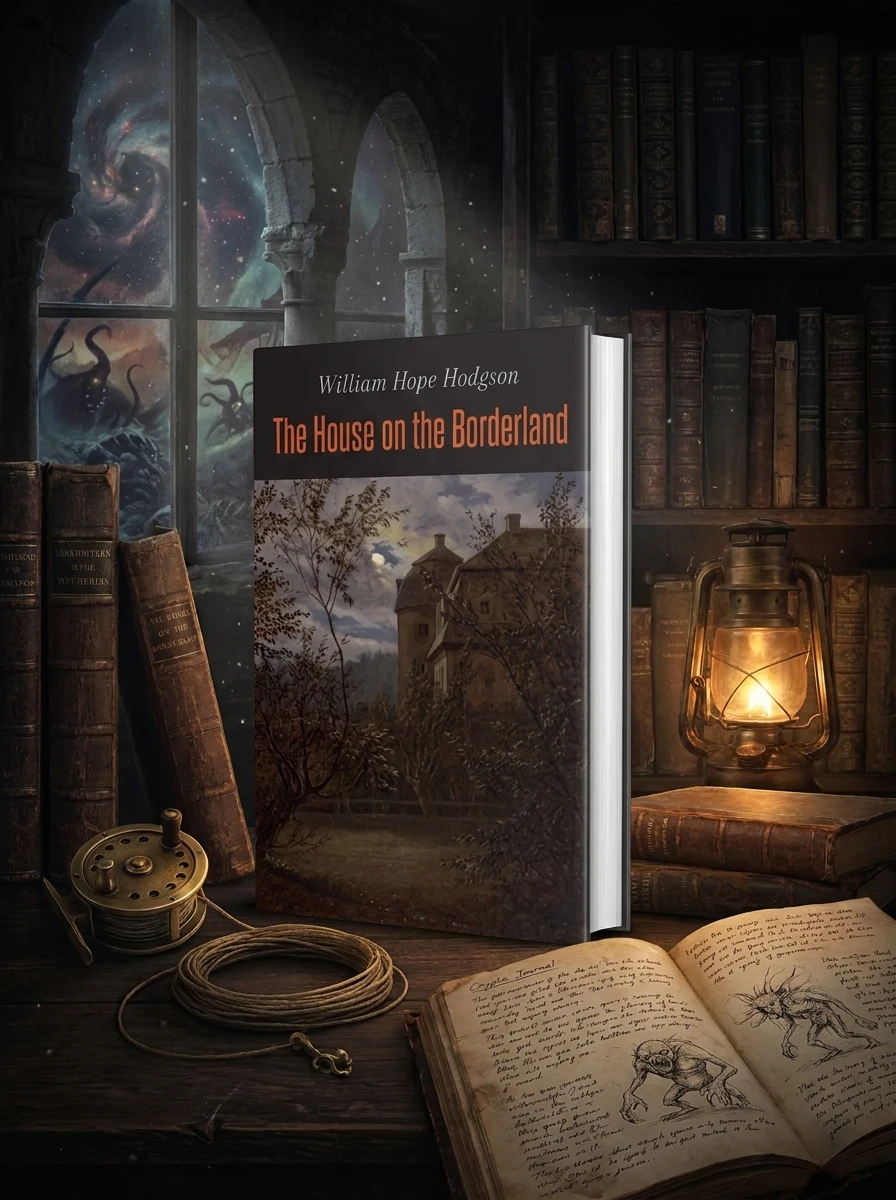
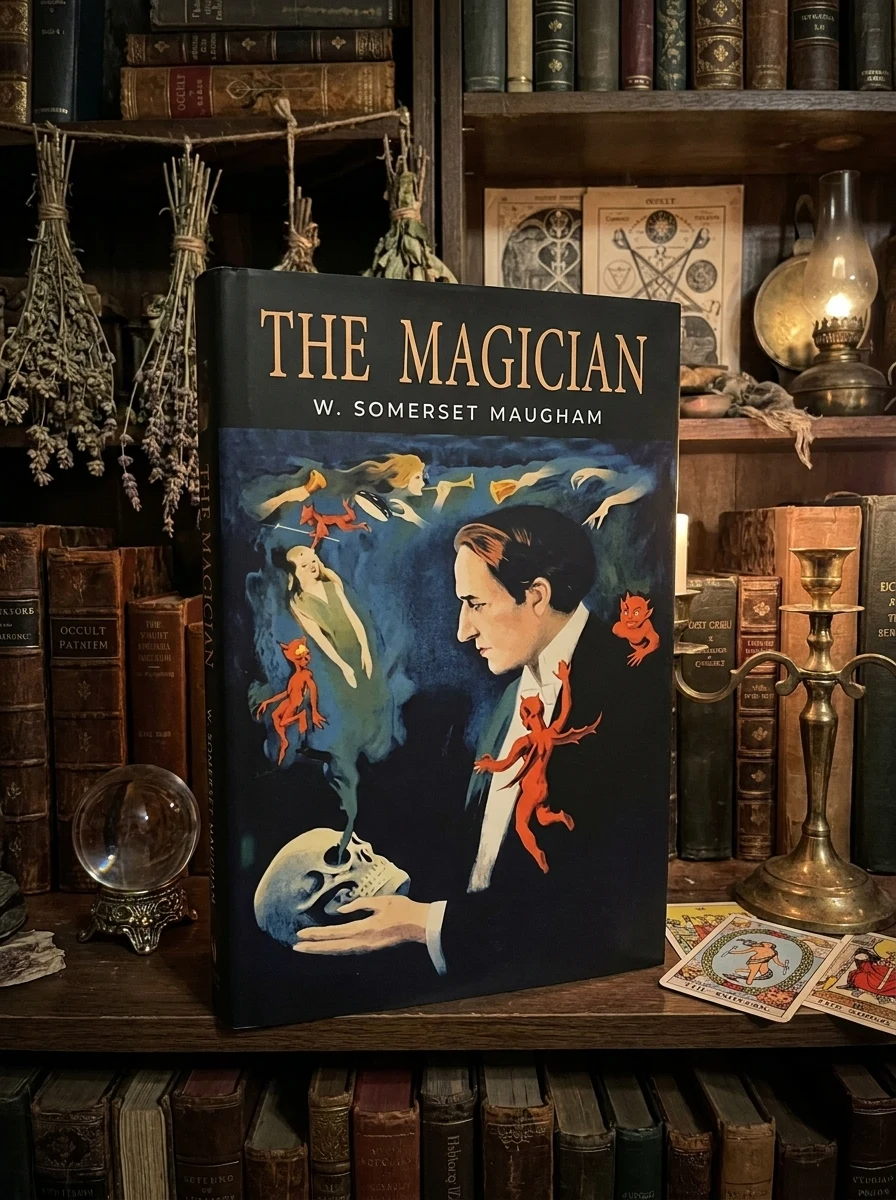
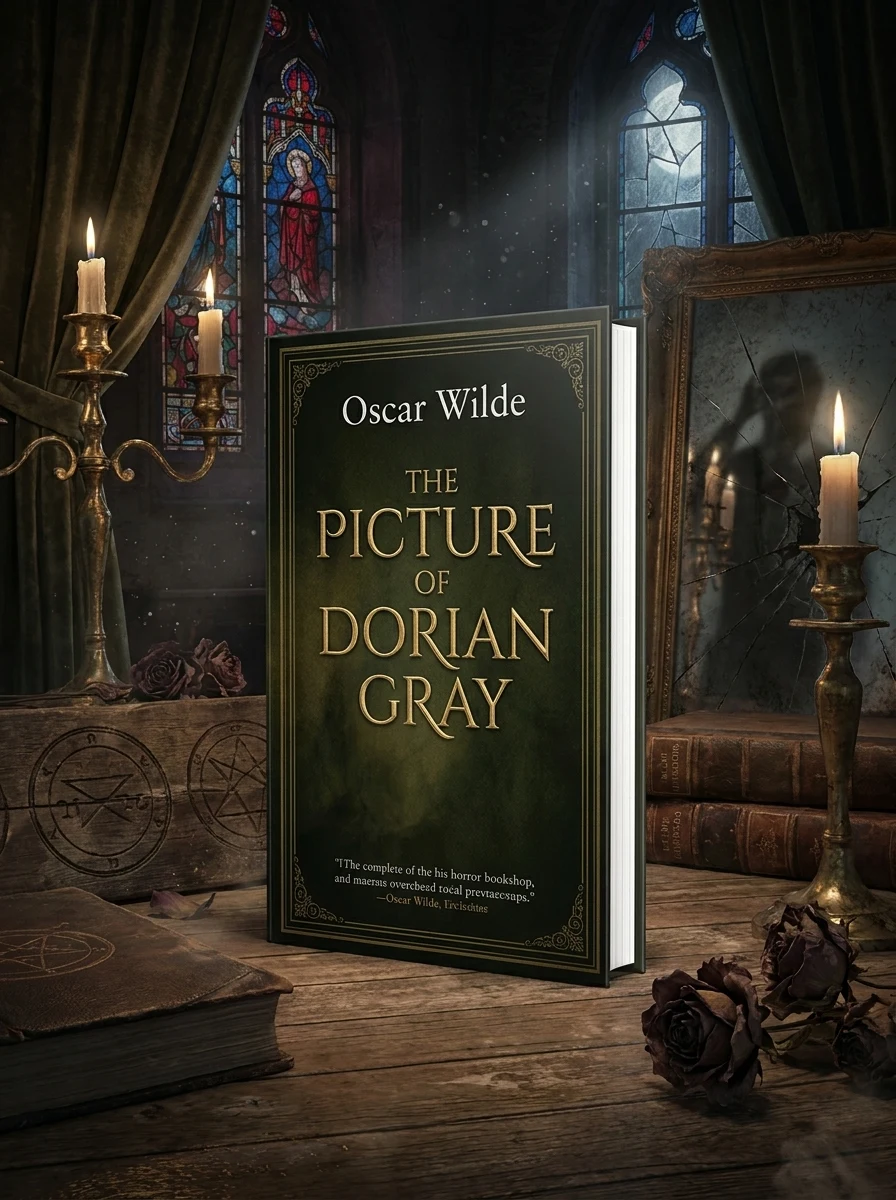
You might also like
See more →

Have a question about this item?
Ask about the edition, condition, delivery or anything else — we reply by email or phone, usually within a day.
