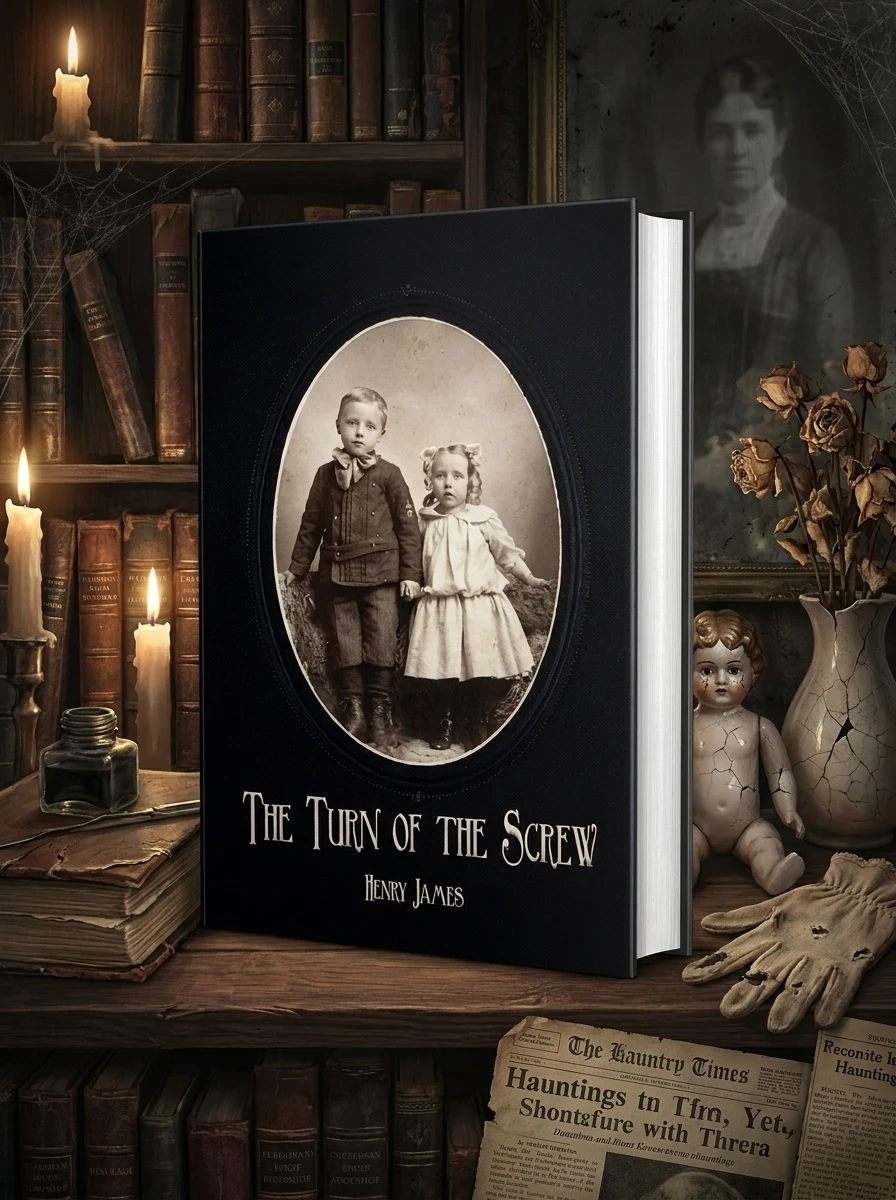
The Turn of the Screw
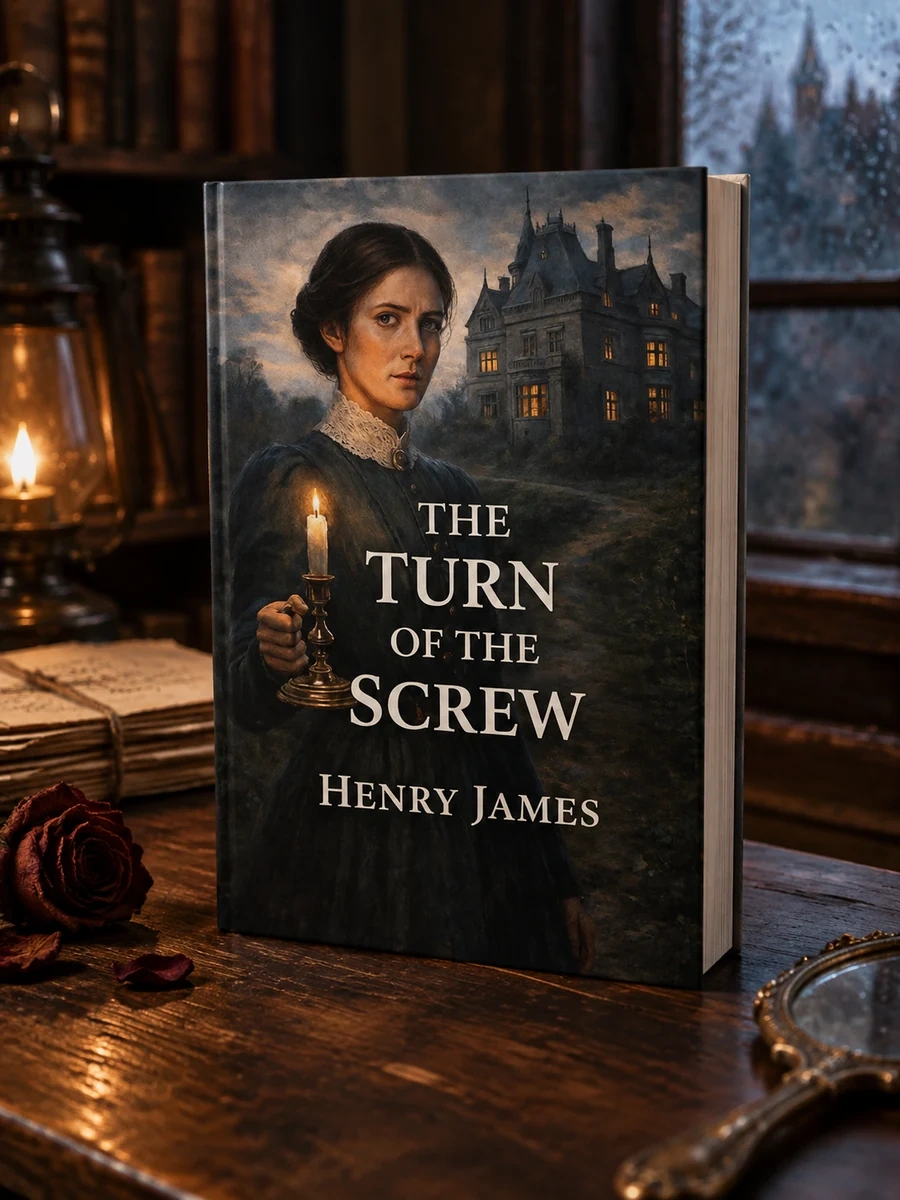
A governess's journal reveals her struggle against unseen ghosts threatening two orphaned children.
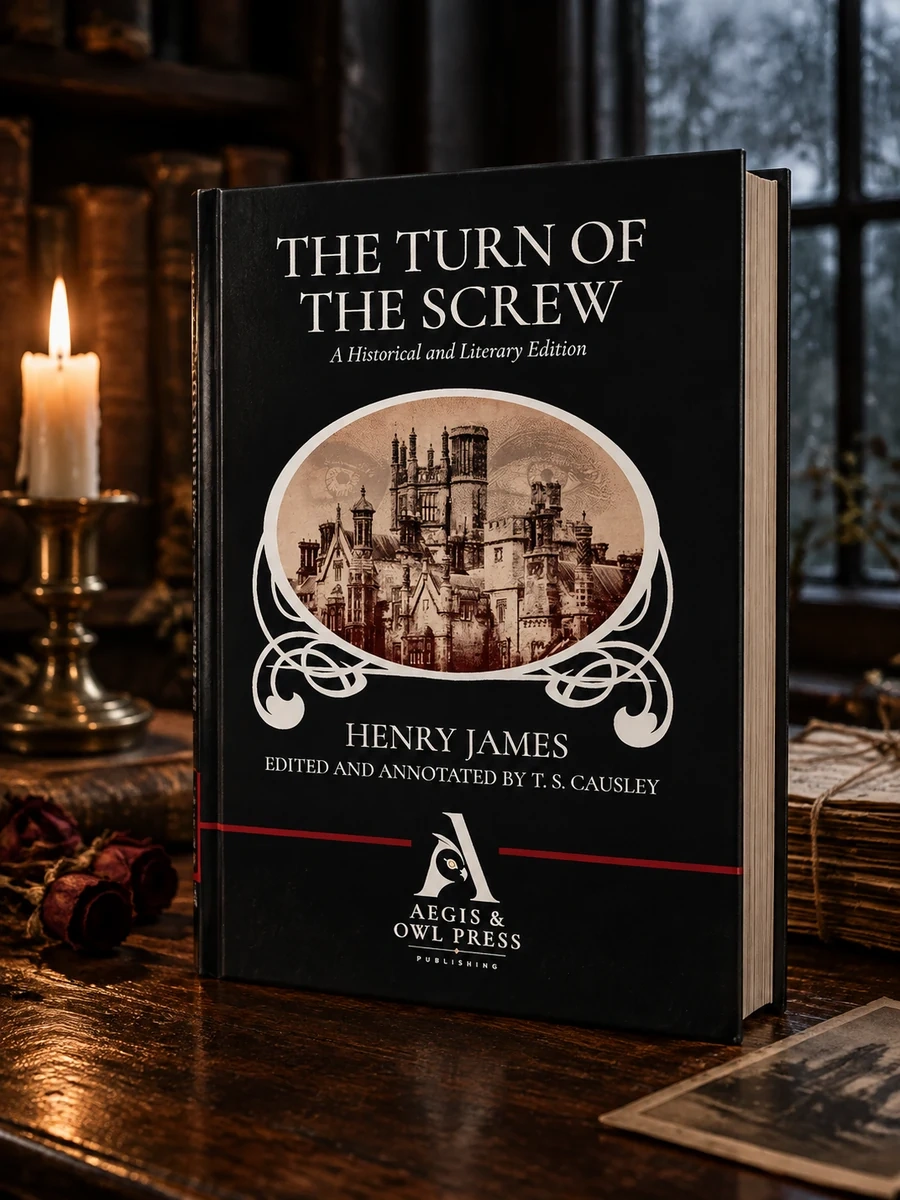
This edition captures a tale where the boundary between mental instability and supernatural intrusion blurs. James focuses on the internal conflict of the narrator rather than external action. The story examines how isolation and authority can distort perception. Readers encounter a narrative that refuses to confirm the existence of the ghosts, instead highlighting the governess's desperate need to protect her charges. The ambiguity serves as the primary source of dread, forcing an engagement with the text that is both unsettling and intellectually demanding. It stands as a significant work in the tradition of psychological horror.
Published in 2011 by Waking Lion Press, this volume revisits a classic from the late nineteenth century. It belongs to the gothic and supernatural fiction traditions, specifically the ghost story genre. The work reflects James's interest in fable structures and the complexities of human perception during that literary period.


📝 Description: The Turn of the Screw
💎 Our verdict on The Turn of the Screw
📖 Why choose it
Why this book is worth reading
Readers who appreciate intellectual engagement over visceral shock will find profound value in this text. It suits those interested in the ambiguity of perception and the distortion caused by isolation and authority. The narrative forces an active role, compelling the audience to decide whether the ghosts are real or if the governess is succumbing to paranoia. It offers a dense reading experience for fans of gothic fiction who enjoy constructing their own vision of terror rather than receiving explicit supernatural mechanics. Those weary of straightforward horror with clear resolutions will appreciate this refusal to confirm the existence of the ghosts, instead highlighting the desperate need to protect charges against unseen malevolence.
⭐ Reader reviews
Reader rating
Henry James crafts a tense psychological fable where the boundary between sanity and supernatural intrusion remains deliberately blurred. The narrative unfolds through personal journal entries, creating an atmosphere where only the protagonist perceives spectral figures. This ambiguity serves as the primary source of dread, forcing readers to question if the children are deceptive or if the narrator is unraveling. James omits specific details of evil deeds, compelling the audience to imagine the terror themselves. It explores sexual and psychological uncertainty with precision. While it may not appeal to those seeking explicit supernatural mechanics or graphic descriptions, it remains a masterclass in tension between reality and perception.
📖 Read on the blog
✍️ More books by this author Henry James



🏛 Books from this publisher Waking Lion Press

You might also like
See more →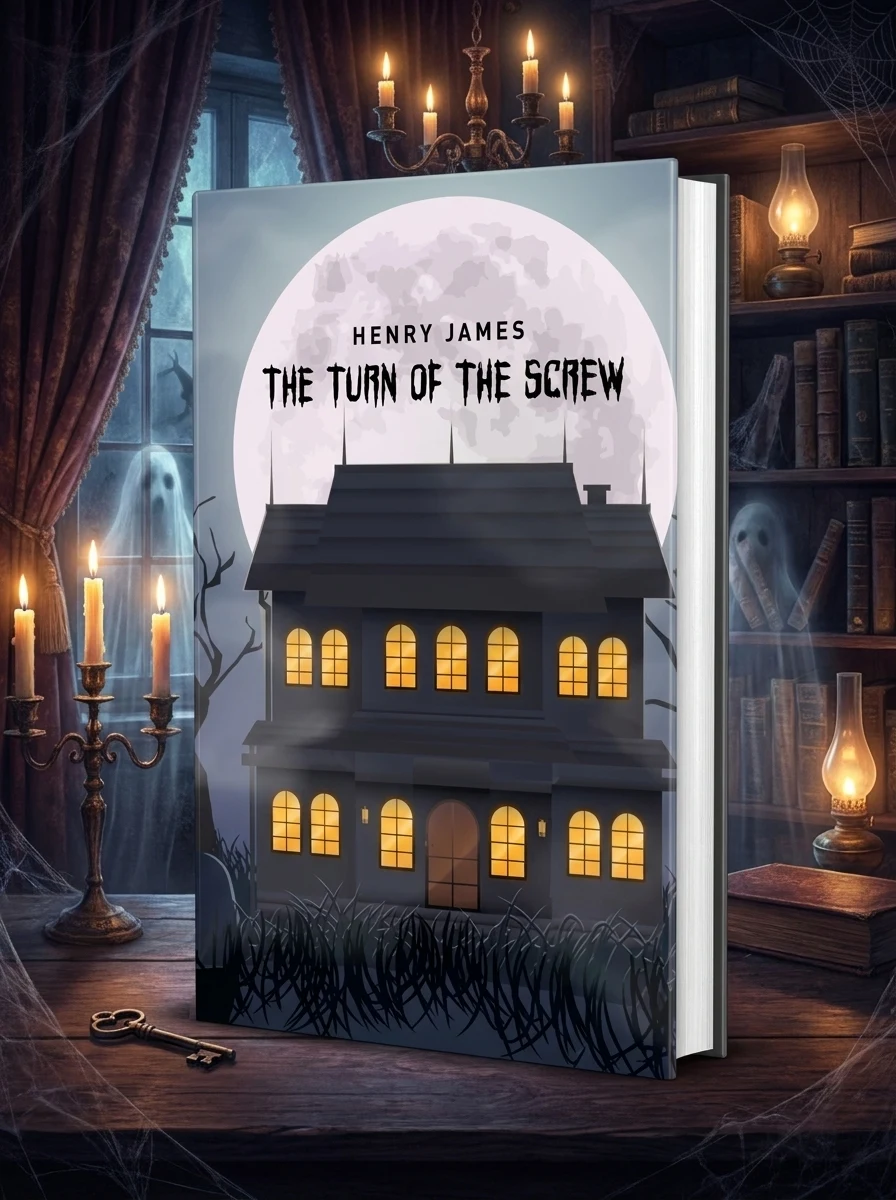

Have a question about this item?
Ask about the edition, condition, delivery or anything else — we reply by email or phone, usually within a day.
