The Sinner
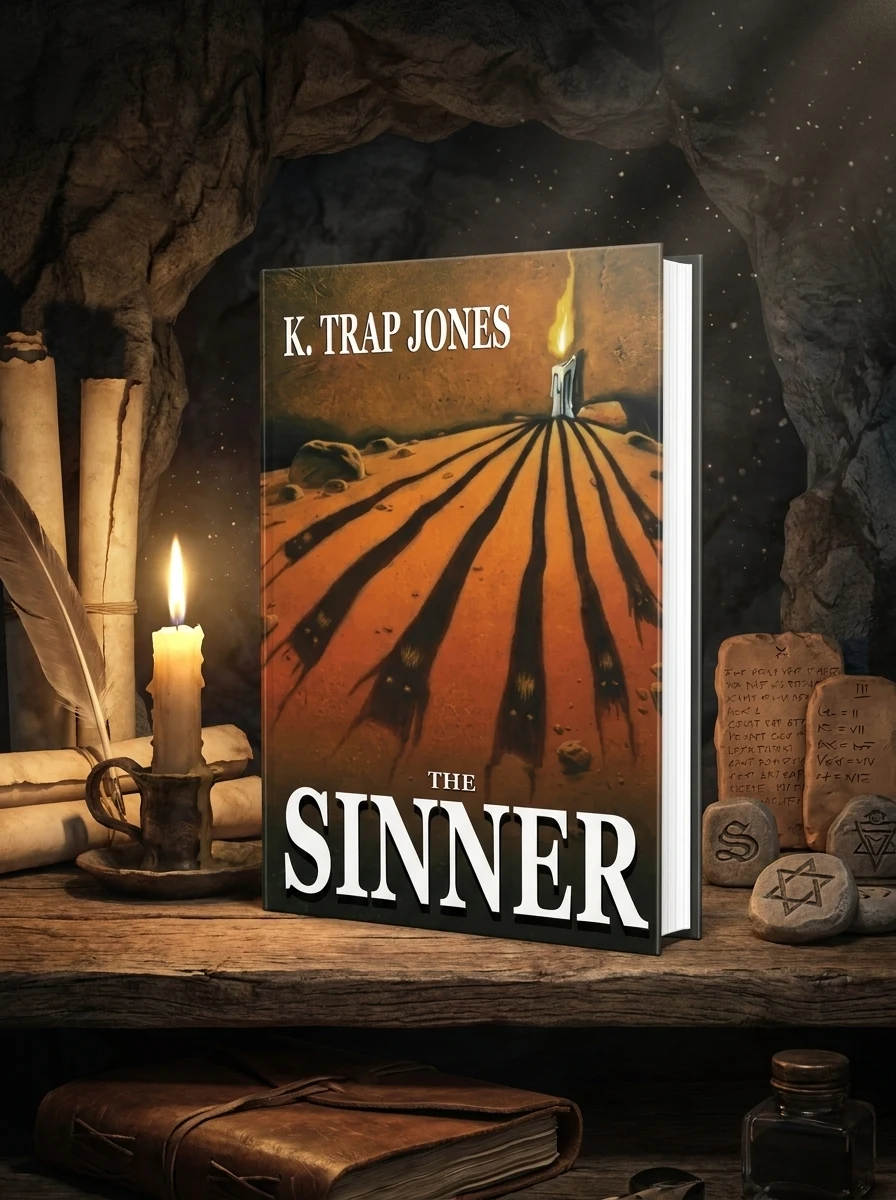
A farmer records his daily encounters with demons representing the seven deadly sins in an isolated cave.
This novel operates as a translation of recorded experiences rather than a traditional plot-driven story. The protagonist remains trapped in a cave, forced to face one sin per day under divine instruction. The text relies on the stark imagery of a single candle and parchment to convey the weight of each encounter. It examines the boundaries of sin through a rigid, repetitive structure that mirrors the farmer's entrapment. The work gained recognition by winning first place in the 2010 Royal Palm Literary Award for an unpublished horror or dark fantasy novel. This accolade highlights its impact within the genre despite its unconventional format.
Published in 2012 by Blood Bound Books, this work sits within the horror and dark fantasy genres. It draws on traditional Christian concepts of sin and demonic influence. The book won first place in the 2010 Royal Palm Literary Award for an unpublished novel, marking its recognition in the literary community before its formal release.


📝 Description: The Sinner
💎 Our verdict on The Sinner
📖 Why choose it
Why this book is worth reading
Readers drawn to the psychological weight of dark fantasy and the atmospheric tension of cosmic horror will find this book compelling. It offers a unique structural experience for those who appreciate horror that prioritizes mood and theological ambiguity over conventional plot progression. The stark, repetitive format mirrors the protagonist's entrapment, providing an immersive study of isolation and judgment. Those interested in the intersection of Christian theology and supernatural dread will appreciate how the text examines moral boundaries through rigid daily confrontations. It is ideal for audiences seeking a serious, unflinching look at human morality under divine pressure, rather than lighthearted entertainment or complex character arcs outside this specific spiritual context.
⭐ Reader reviews
Reader rating
This novel distinguishes itself by rejecting traditional narrative arcs in favor of a rigorous, diary-like structure that documents spiritual decay. The reliance on stark imagery—candlelight and parchment—effectively conveys the protagonist's isolation and the visceral weight of each encounter with demonic manifestations of sin. It succeeds as a study of moral limits, using repetition to induce a sense of claustrophobic dread. While the narrow focus may alienate readers seeking broad character development or relief from grim subject matter, it resonates deeply with fans of theological horror. The work’s acclaim underscores its power to unsettle through simplicity and relentless atmospheric pressure rather than plot twists.
📖 Read on the blog
✍️ More books by this author Blood Bound Books


🏛 Books from this publisher Blood Bound Books
You might also like
See more →


Have a question about this item?
Ask about the edition, condition, delivery or anything else — we reply by email or phone, usually within a day.
