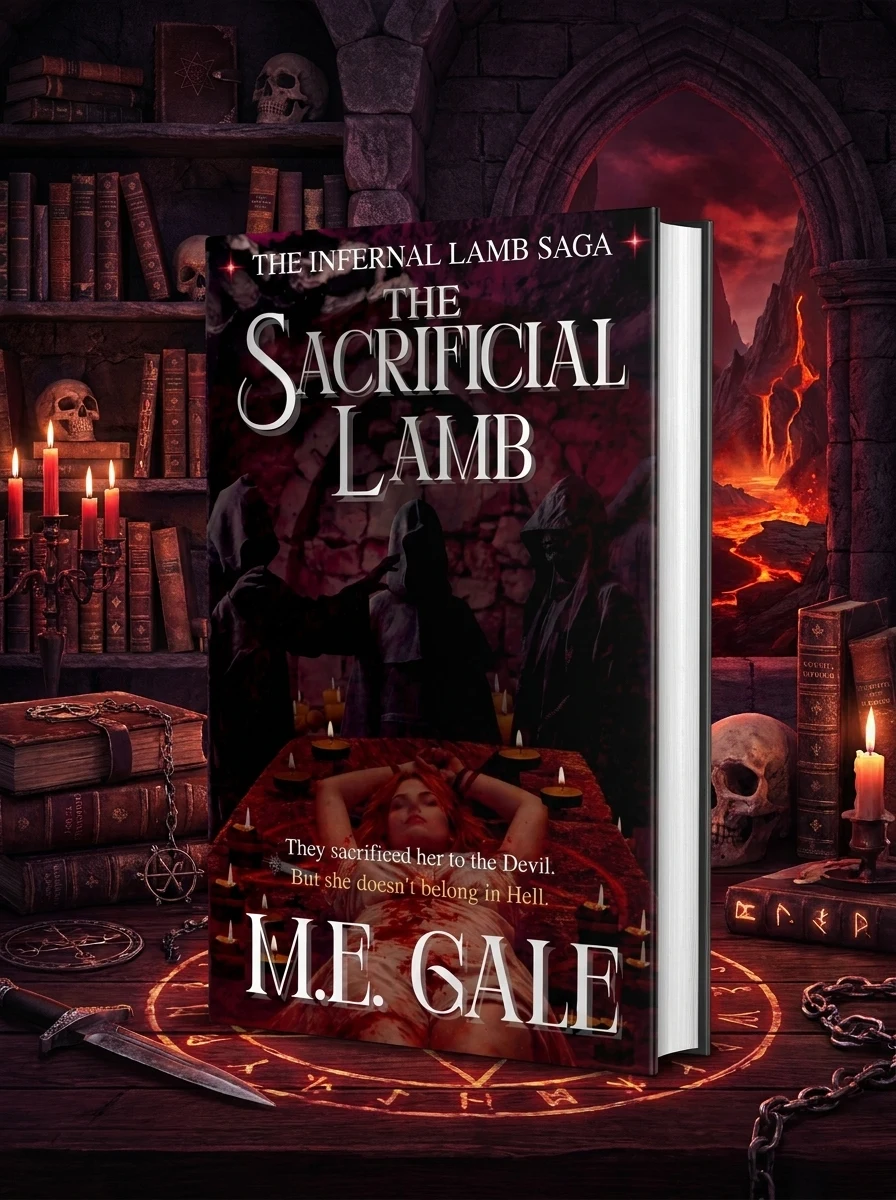
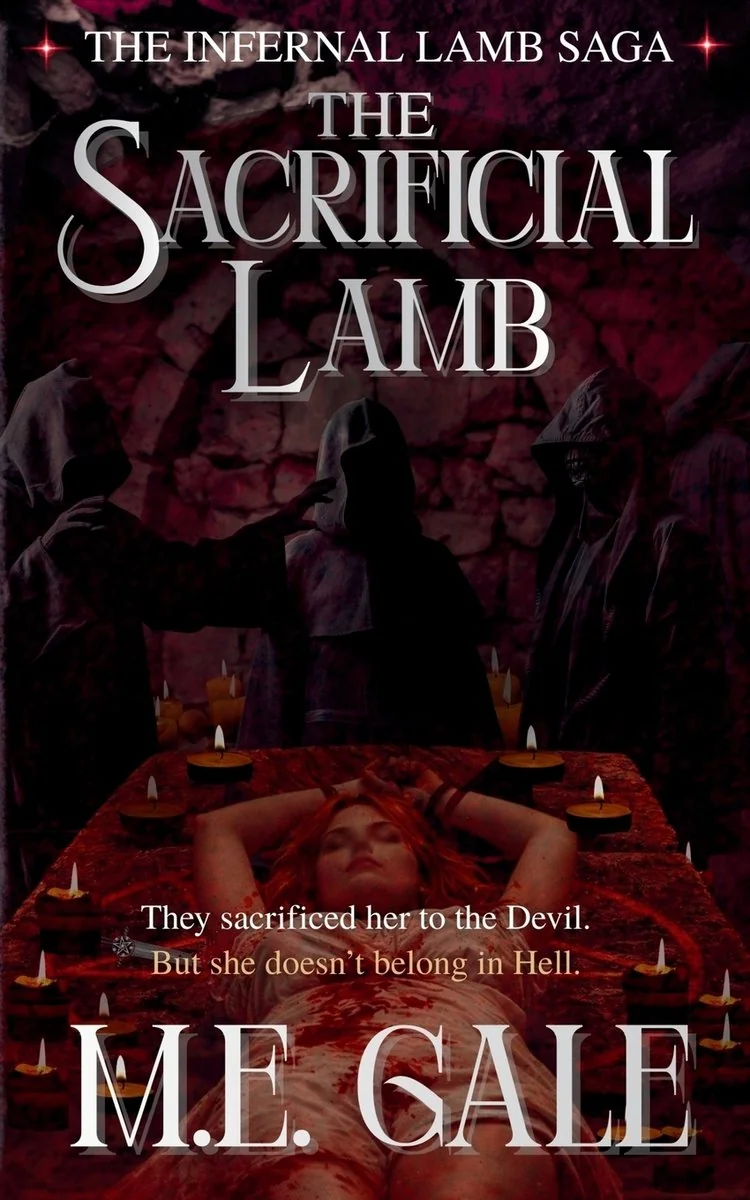
The Sacrificial Lamb: A Dark Underworld Fantasy
A woman defies death and demons in this dark fantasy about sacrifice.
Willow Evans becomes the target of her own father's cult after he returns following a long absence. Her intended execution by Lucifer’s followers fails to end her existence, transporting her instead to the Underworld. There, she faces a demon who claims interest in her continued survival. The story tracks her refusal to accept her fate as a temporary placeholder. It examines the consequences of familial betrayal and the resilience required to survive supernatural imprisonment. The narrative avoids traditional hero tropes by placing an ordinary woman in an extraordinary infernal setting.
The book sits within the dark fantasy and horror genres, drawing on traditions of Lucifer worship and underworld mythology. It blends modern family drama with supernatural elements, creating a narrative that bridges contemporary cult horror with classic infernal lore.


📝 Description: The Sacrificial Lamb: A Dark Underworld Fantasy
💎 Our verdict on The Sacrificial Lamb: A Dark Underworld Fantasy
📖 Why choose it
Why this book is worth reading
Readers seeking a dark fantasy narrative that subverts traditional hero tropes will find this book compelling. It appeals to those who enjoy stories featuring resilient heroines navigating grim, supernatural underworlds. Fans of cult horror and psychological tension will appreciate the examination of familial betrayal and demonic pacts. The book is ideal for audiences tired of lighthearted fantasy or conventional romance, offering instead a gritty exploration of agency within imprisonment. It suits readers who prefer ordinary women placed in extraordinary infernal settings, driving the plot through refusal rather than passive acceptance.
⭐ Reader reviews
Reader rating
M E Gale delivers a potent merge of cult horror and dark fantasy, centering on Willow Evans’s defiant journey from earthly sacrifice to infernal survival. The narrative effectively utilizes the sacrificial lamb trope to examine themes of familial betrayal and resilience. While it avoids traditional hero archetypes, it succeeds by focusing on an ordinary woman’s refusal to accept her fate as a placeholder. The tone is appropriately grim, offering a brutal yet empowering portrayal of supernatural imprisonment. This work best suits readers who enjoy resilient heroines and dark supernatural fiction. It may disappoint those seeking lighthearted fantasy or traditional romance, but it rewards fans of psychological tension and grim underworlds with a focused, character-driven conflict.