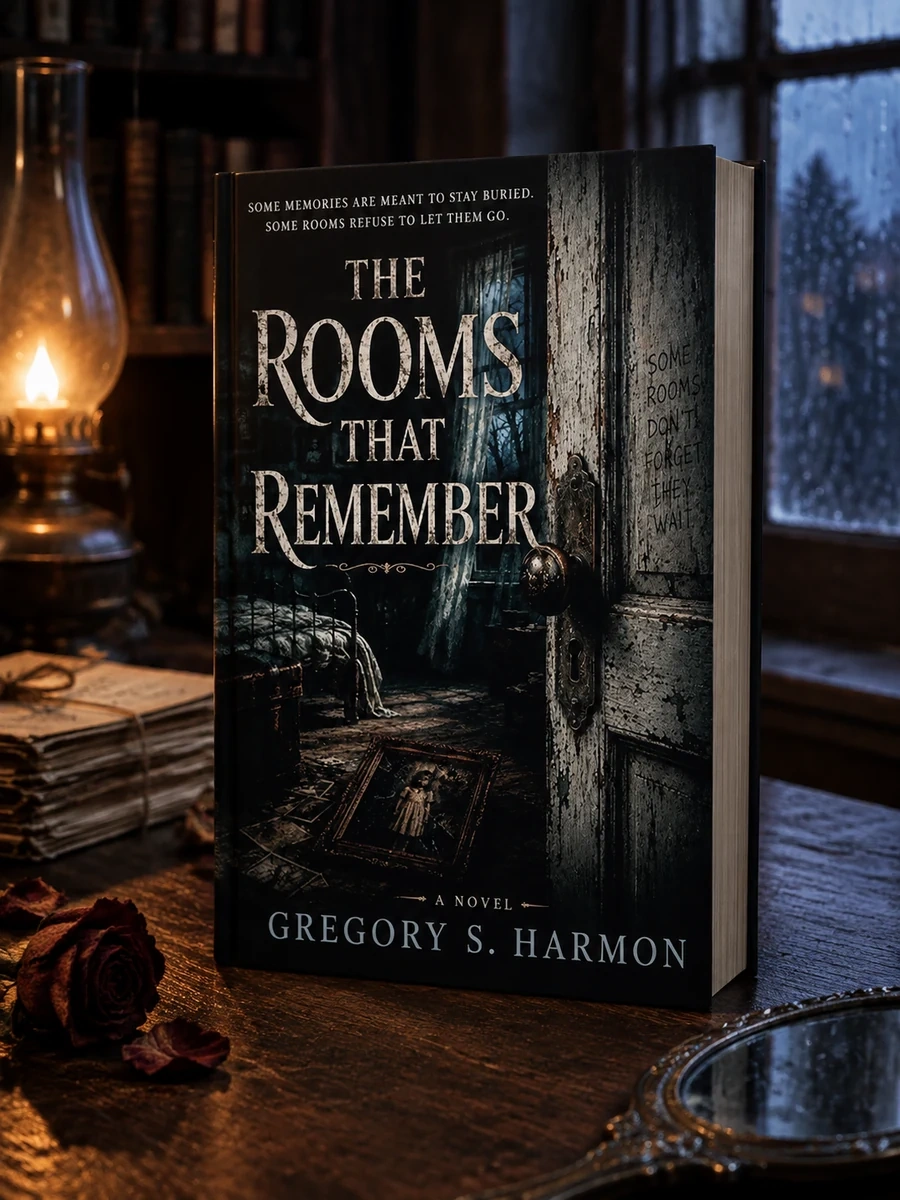
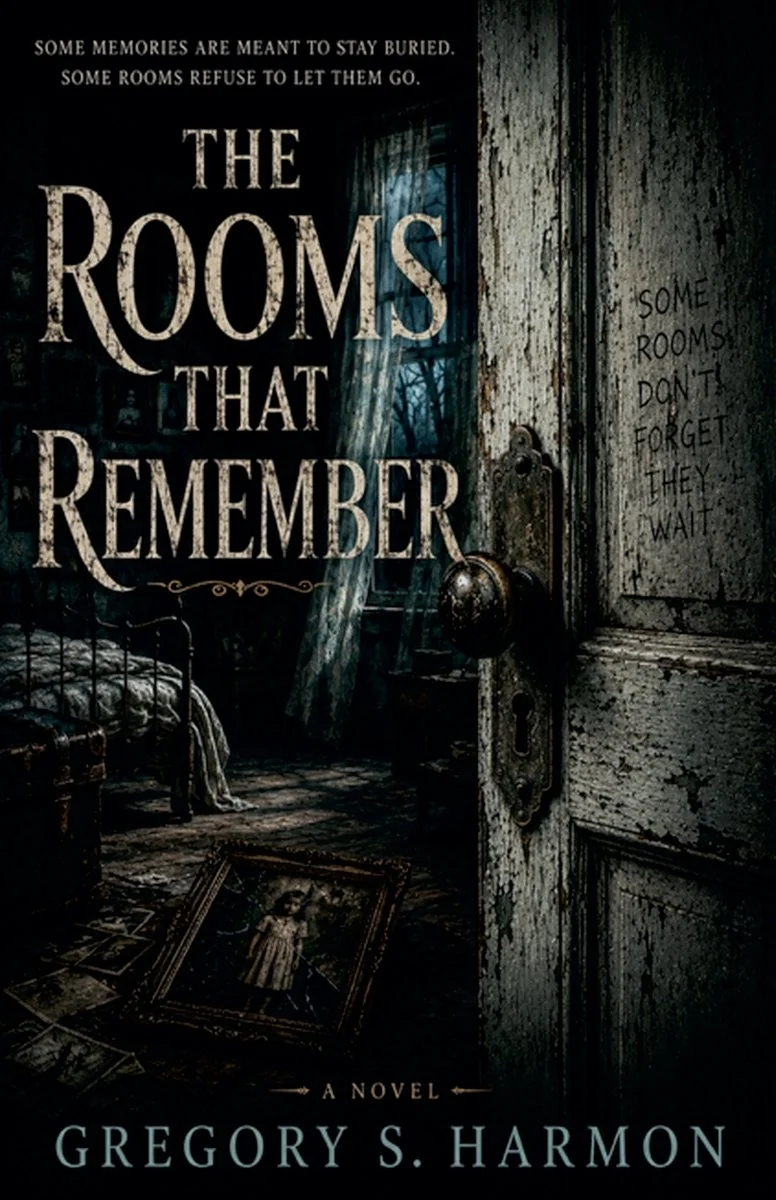
The Rooms That Remember
A house preserves pain and forces its visitor to stay forever.
Mara Ellis returns to Blackridge House, an isolated coastal home she once fled. She claims to settle affairs but finds the building actively resisting her departure. Rooms change configuration when she looks away. Objects appear in her childhood bedroom that should not exist. The structure preserves pain and reshapes memory for those who enter. Harmon writes about family secrets and the weight of grief. The house whispers names and reveals a purpose to keep inhabitants trapped. This story examines how trauma can become architectural. It is not a tale of ghosts seeking peace but of a place demanding presence. The narrative follows Mara as she uncovers truths that bind her to the location. Readers looking for closure will find none here. The ending suggests entrapment rather than escape.
This novel sits within the American supernatural horror tradition, specifically the gothic subgenre focusing on domestic spaces. It draws on the period of modern psychological dread where the home becomes a site of trauma rather than safety. The work reflects contemporary interests in how places retain emotional history.


📝 Description: The Rooms That Remember
💎 Our verdict on The Rooms That Remember
📖 Why choose it
Why this book is worth reading
Readers who appreciate atmospheric tension and psychological depth over fast-paced action will find this narrative compelling. It suits those interested in the intersection of gothic architecture and emotional trauma, offering a slow-burn exploration of how places preserve pain. Fans of stories where the setting acts as an active, malevolent force rather than a passive backdrop will engage with the premise. The book appeals to audiences seeking emotional weight and complex family secrets within a horror framework. It is ideal for those who enjoy narratives that resist closure and focus on the inescapable nature of memory. If you prefer stories where internal dread manifests physically through the environment, this work offers a distinct and haunting perspective on grief.
⭐ Reader reviews
Reader rating
Harmon effectively crafts an oppressive atmosphere where Blackridge House functions as a sentient vessel for stored sorrow. The concept of rooms shifting configuration and preserving pain provides a fresh take on haunted house tropes by focusing on psychological entrapment rather than traditional ghostly activity. The narrative excels in building dread through the distortion of memory and domestic spaces, making the home itself terrifying. This approach suits readers who enjoy literary horror and gothic themes. However, those seeking resolution or conventional plot progression may find the lack of escape frustrating. The story demands patience, rewarding attentive readers with a profound examination of trauma’s architectural weight.
📖 Read on the blog
✍️ More books by this author Gregory S Harmon


🏛 Books from this publisher Gs. Harmon
You might also like
See more →

Have a question about this item?
Ask about the edition, condition, delivery or anything else — we reply by email or phone, usually within a day.
