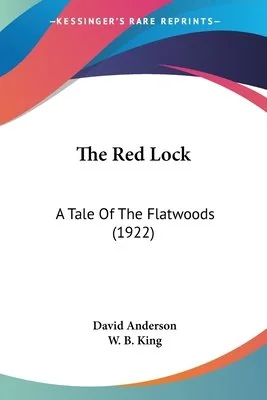
The Red Lock: A Tale Of The Flatwoods (1922)
A 1922 ghost story where folklore dictates fate through atmospheric dread rather than action.
This volume offers a return to classic horror traditions that prioritize mood over plot. Anderson writes a narrative where the supernatural is inevitable and ancient, creating a sense of lingering unease for the reader. The work leans heavily into traditional tales of fairies and mythology, avoiding modern psychological complexity in favor of older gothic conventions. It engages with old myths unflinchingly, showing how they cast shadows on human understanding. The pacing is deliberate, allowing the atmosphere to build slowly. This approach suits readers who enjoy stories where folklore dictates destiny. It may not appeal to those looking for fast-paced action or contemporary character studies. The text stands as a reminder of the power held by legends.
The Red Lock is rooted in early twentieth-century gothic fiction and traditional folklore. It draws on older traditions where the supernatural feels inevitable. The work engages with myths that dictate fate, reflecting a period when legends cast long shadows on human understanding.


📝 Description: The Red Lock: A Tale Of The Flatwoods (1922)
💎 Our verdict on The Red Lock: A Tale Of The Flatwoods (1922)
📖 Why choose it
Why this book is worth reading
Readers who prioritize mood over plot will find deep satisfaction in this deliberate exploration of atmospheric dread. Anderson’s narrative offers a rare escape from modern character studies, inviting those who appreciate the weight of ancient legends and the inevitability of fate to engage with a story where folklore shapes destiny. This volume is ideal for fans of traditional tales involving fairies and mythology, providing a lingering sense of unease that lingers long after the final page. It appeals specifically to audiences seeking comfort in the shadows cast by old myths, rather than fast-paced action or psychological complexity. By allowing the supernatural to remain an unflinching reality, the book offers a unique immersion into gothic conventions where the unknown is not solved but endured.
⭐ Reader reviews
Reader rating
Anderson succeeds in crafting a narrative that prioritizes the slow build of tension over conventional plot mechanics. The text excels in establishing a pervasive sense of dread, rooted deeply in traditional gothic horror where the supernatural is an ancient, inevitable force. By avoiding modern psychological complexities, the work remains faithful to older storytelling structures, allowing folklore to dictate the characters' fates with unflinching clarity. This approach creates a distinct atmosphere that feels both timeless and unsettling. The deliberate pacing ensures that every shadow cast by legend contributes to the overall unease. It is best suited for readers who enjoy stories where ancient powers shape destiny and who prefer lingering discomfort over easy resolutions. The book stands as a powerful reminder of the enduring influence of legends on human understanding.
📖 Read on the blog
🏛 Books from this publisher Kessinger Publishing


You might also like
See more →

Have a question about this item?
Ask about the edition, condition, delivery or anything else — we reply by email or phone, usually within a day.
