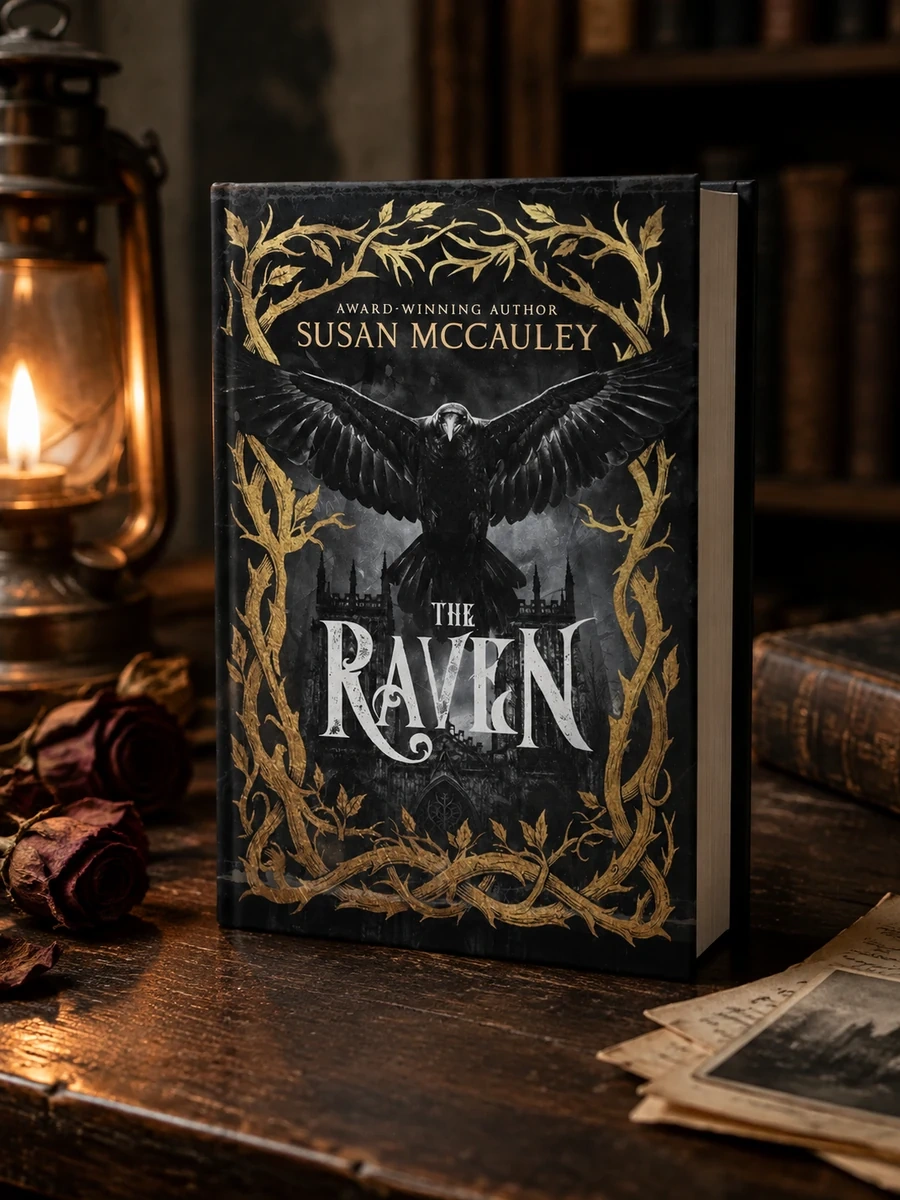
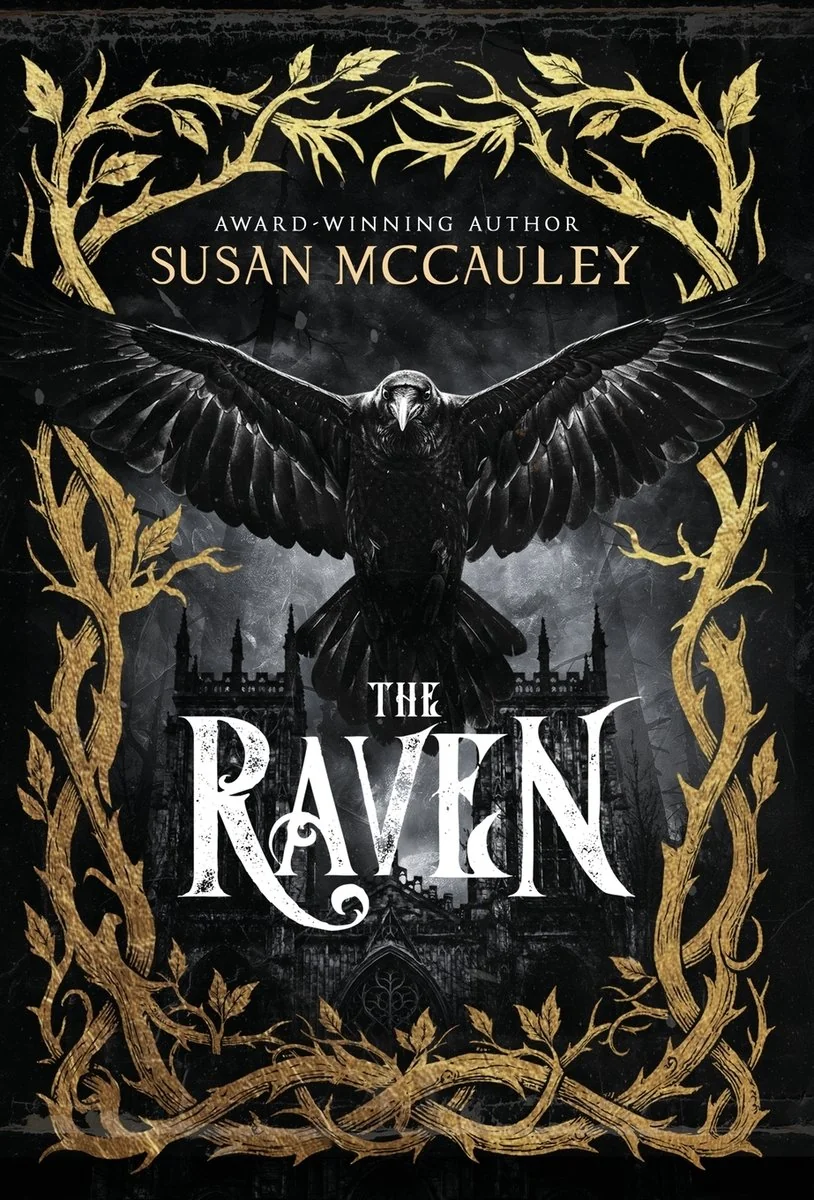
The Raven
A cobbler's mind fractures under the weight of guilt and a haunting raven in 1665 Yorkshire.
This novel examines the intersection of personal grief and institutional oppression in seventeenth-century England. Martin Blake’s accidental killing of a bird triggers a supernatural siege that mirrors his internal collapse. The presence of orphaned children displaced by disease exacerbates the tension within the Blake household. McCauley utilizes the real historical figure of Archbishop Richard Sterne to illustrate the era's rigid religious hierarchy. The story does not offer comfort but rather a stark portrayal of how trauma and scarcity can destroy a family. It is a study of mental deterioration set against a backdrop of plague and famine.
Set in Yorkshire during 1665, the book draws on the history of plague-era England and the power structures of the Church of England. It incorporates authentic details from the seventeenth century, including the influence of Archbishop Richard Sterne.


📝 Description: The Raven
💎 Our verdict on The Raven
📖 Why choose it
Why this book is worth reading
Readers seeking atmospheric dread and historical fiction rooted in plague-era folklore will find this novel compelling. It offers a precise look at institutional cruelty and buried sins, blending history with psychological terror. Those who appreciate the intersection of personal grief and societal oppression in seventeenth-century England will gain insight into how trauma and scarcity destroy families. The story appeals to fans of literary gothic horror who value ambiguity over clear supernatural resolutions. It provides a stark portrayal of mental deterioration without offering comfort, making it ideal for those interested in dense, tragic narratives where the dead speak and ravens multiply.
⭐ Reader reviews
Reader rating
McCauley grounds this narrative in authentic power structures, using Archbishop Richard Sterne to illustrate institutional oppression. The novel excels in tracking Martin’s psychological descent as grief fractures his mind, creating a vivid portrait of a household collapsing under starvation and cruelty. It suits readers who appreciate atmospheric dread over lighthearted seasonal reading. While it may not appeal to those seeking clear resolutions, its strength lies in holding ambiguity between grief and the supernatural. The work offers a precise examination of how trauma destroys families against a backdrop of plague and famine. Readers interested in historical horror and psychological terror will find this engaging.
You might also like
See more →



Have a question about this item?
Ask about the edition, condition, delivery or anything else — we reply by email or phone, usually within a day.
