The Quarantine House
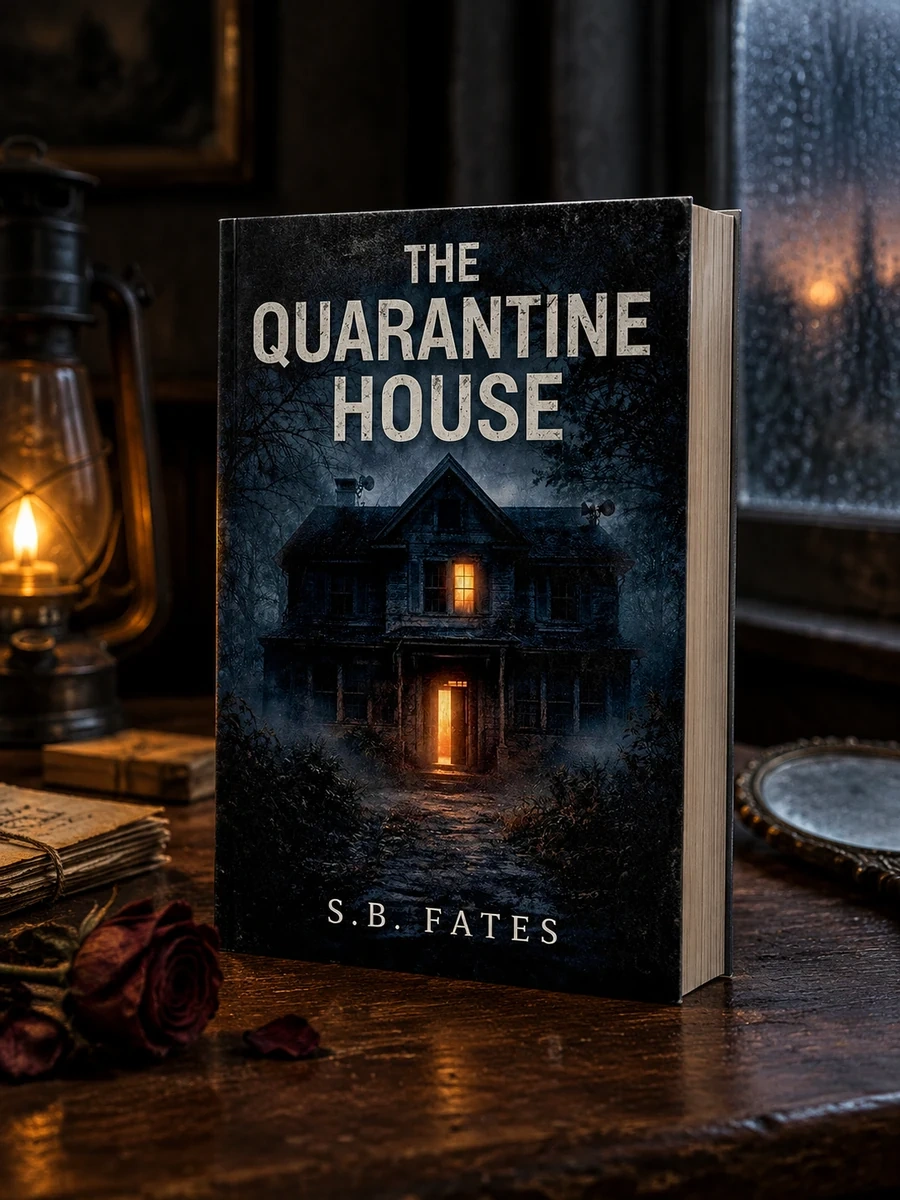
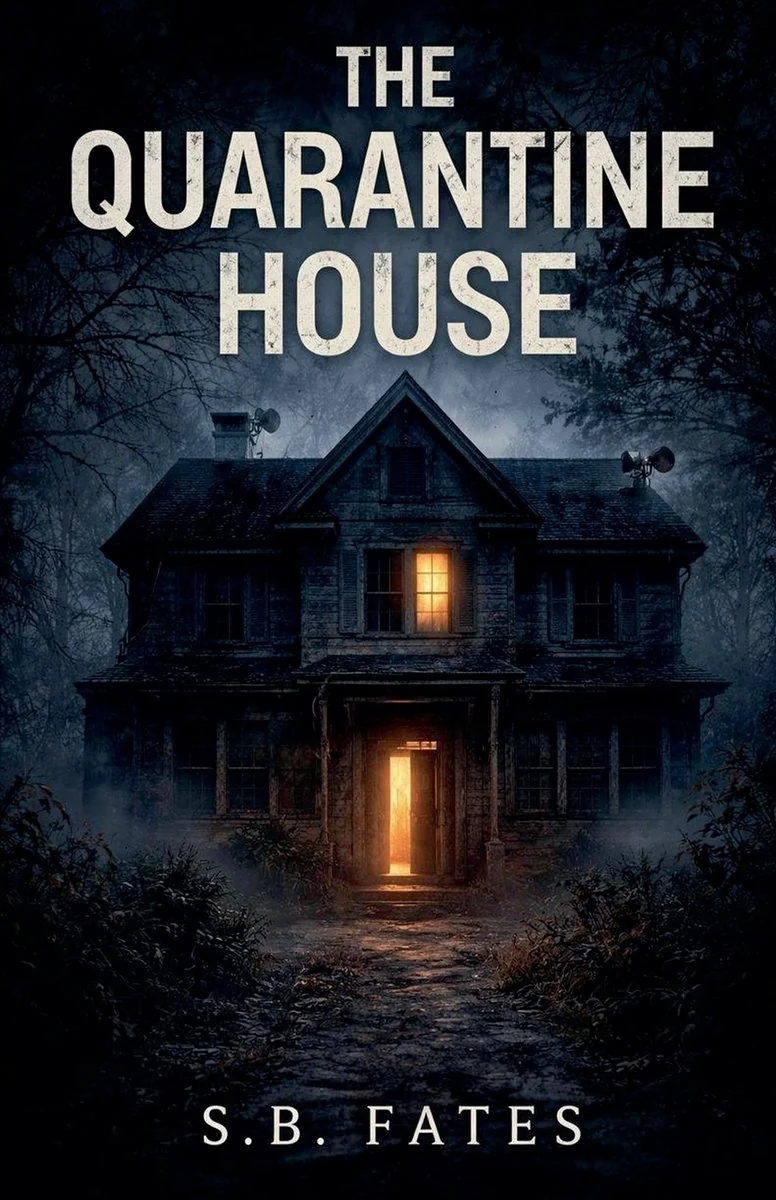
A family trapped in a sealed home faces revenge from their past.
The narrative centers on the McCall family’s ordeal after their house is sealed for medical quarantine. The initial compliance gives way to dread as the timeline extends and surveillance increases. Officials’ stories fail to align, suggesting a deeper conspiracy. The family discovers they are subjects in a psychological experiment orchestrated by someone from their past. This individual seeks retribution for sins committed twenty-eight years ago. Four families are involved in this calculated breakdown. The house becomes a prison designed to isolate and disbelieve its inhabitants until they are broken.
This work sits within the tradition of American psychological horror fiction. It draws on themes of domestic suspense and the fear of institutional failure. The story reflects anxieties about surveillance and the lingering impact of past actions on present safety.


📝 Description: The Quarantine House
💎 Our verdict on The Quarantine House
📖 Why choose it
Why this book is worth reading
Readers who appreciate slow-burn psychological thrillers and narratives centered on familial secrets will find this title compelling. The book offers a chilling examination of how paranoia fractures relationships from within, making it ideal for those who enjoy tension built through character dynamics rather than supernatural elements. It is particularly suited to audiences who prefer stories that rely on the breakdown of reality and the weight of past sins over gore or jump scares. If you seek a narrative where the true horror stems from isolation, surveillance, and the disintegration of trust within a sealed environment, this work provides a deeply unsettling and intellectually engaging experience.
⭐ Reader reviews
Reader rating
S B Fates delivers a tightly wound exploration of domestic entrapment, effectively transforming a standard quarantine scenario into a vehicle for personal retribution. The narrative excels in its gradual erosion of the McCall family’s sanity, using contradictory official explanations to build an atmosphere of pervasive dread. By focusing on psychological manipulation rather than visceral horror, the book appeals to readers who favor intellectual tension over physical action. The concept of a house as a prison designed to induce disbelief is executed with precision, making it a standout choice for fans of atmospheric, character-driven horror that prioritizes emotional impact and suspenseful pacing.