The Port-Wine Stain
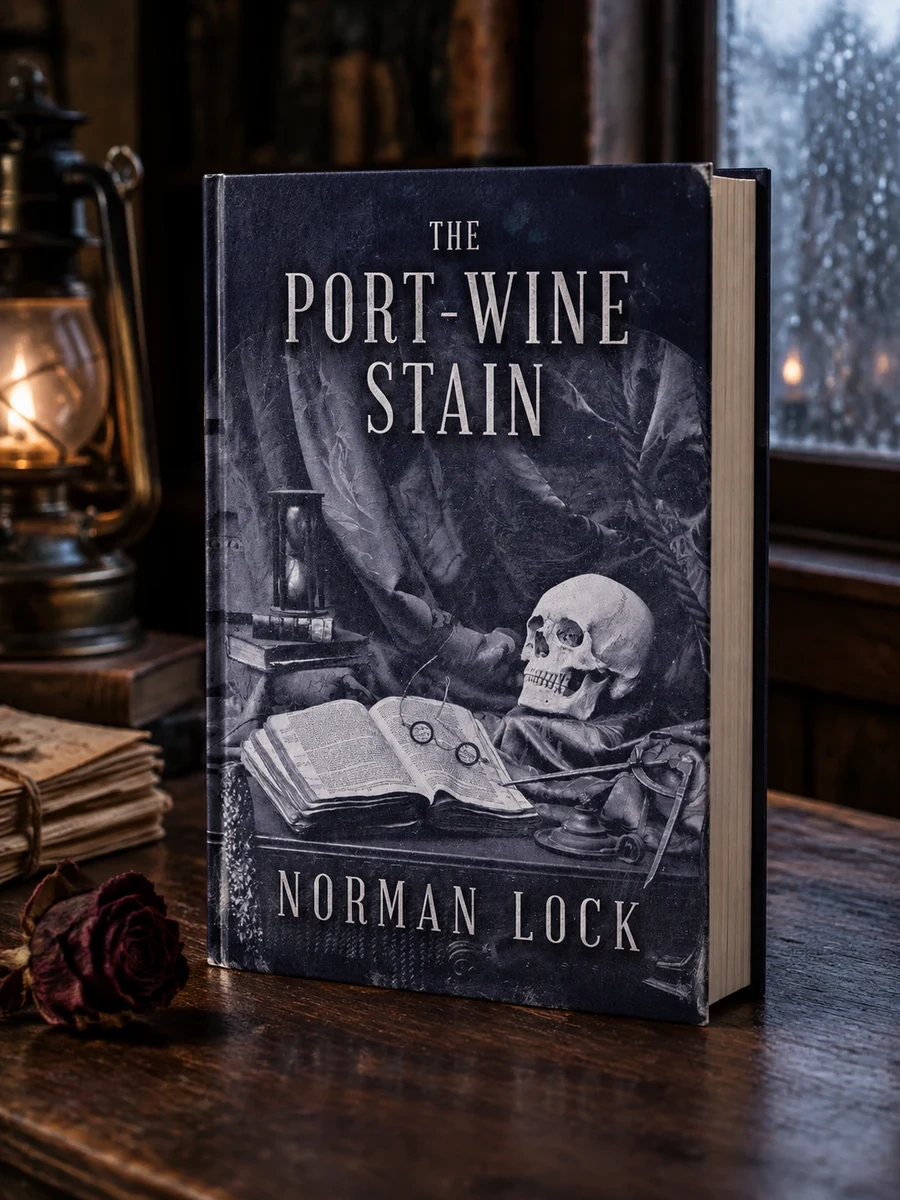
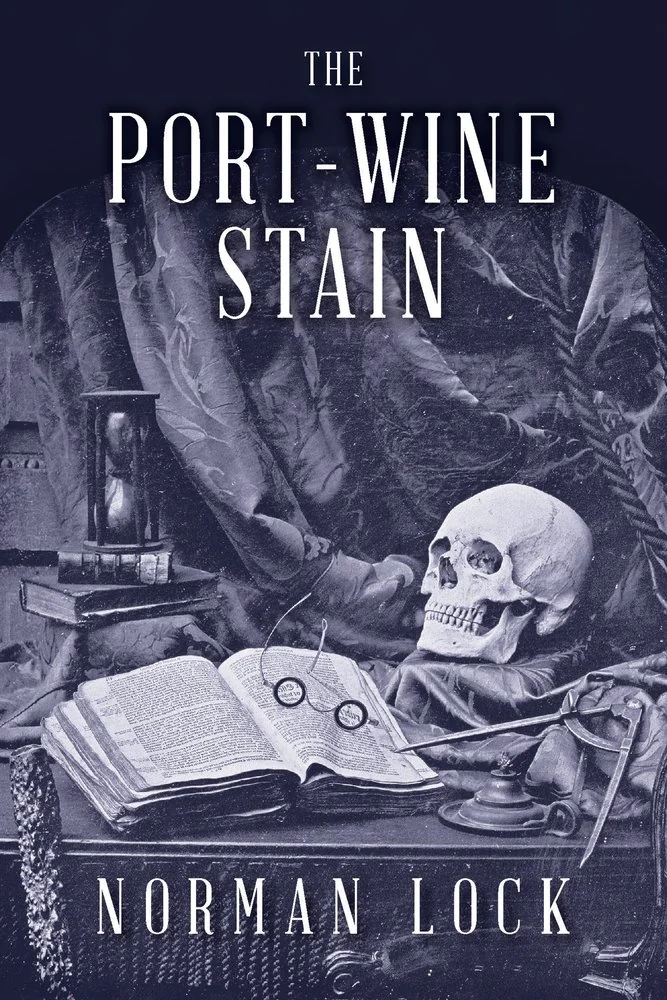
A gothic tale of identity loss in 1840s Philadelphia involving Poe and Mutter
This novel examines the erosion of personal agency through supernatural means. Fenzil’s descent into madness is driven by his proximity to influential men who represent different facets of power. The text utilizes the historical context of medical curiosity collections to ground its fantastical elements. Lock uses the figure of Poe not merely as a character but as a thematic anchor for the grotesque. The story questions whether identity is inherent or imposed by others. It appeals to those interested in the intersection of medicine and mysticism during the mid-nineteenth century. The narrative avoids modern psychological explanations, relying instead on period-appropriate concepts of possession. Readers will find a slow-burn tension that builds through interpersonal dynamics rather than action sequences.
The narrative is set in Philadelphia during the winter of 1844. It engages with the nineteenth-century grotesque tradition through figures like Thomas Dent Mutter and Edgar Allan Poe, reflecting the era's fascination with medical anomalies and psychological horror.


📝 Description: The Port-Wine Stain
💎 Our verdict on The Port-Wine Stain
📖 Why choose it
Why this book is worth reading
This book is an essential read for those who appreciate dense, literary horror that prioritizes psychological unraveling over visceral action. Readers interested in the intersection of medicine and mysticism will find value in its exploration of how identity is imposed by external forces rather than inherent. It appeals to audiences seeking a slow-burn narrative grounded in period-appropriate concepts of possession and madness. Those who enjoy dissecting the grotesque imagination and historical cultural anxieties through a supernatural lens will gain a chilling examination of selfhood under duress, offering depth over easy resolutions.
⭐ Reader reviews
Reader rating
Norman Lock delivers a meticulously crafted gothic psychological thriller that eschews modern explanations for period-specific notions of possession and madness. The narrative effectively utilizes the grotesque legacy of Thomas Dent Mutter and Edgar Allan Poe to anchor its thematic concerns about identity loss. While the approach is undeniably dense and may challenge readers seeking straightforward horror, it rewards those willing to engage with complex interpersonal dynamics and atmospheric tension. The work stands out for its refusal to offer easy answers, instead presenting a fragmented view of selfhood that lingers long after the final page. It is a sophisticated contribution to American Gothic fiction.