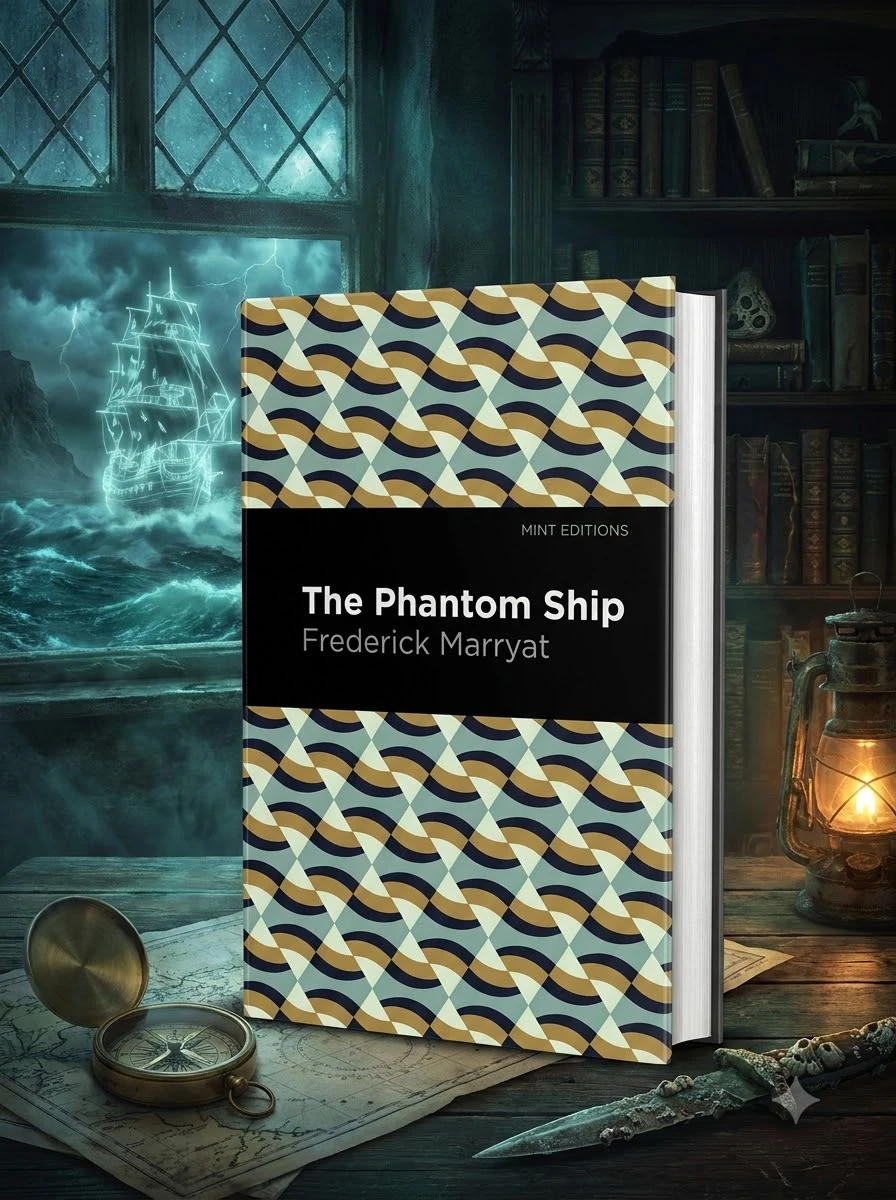
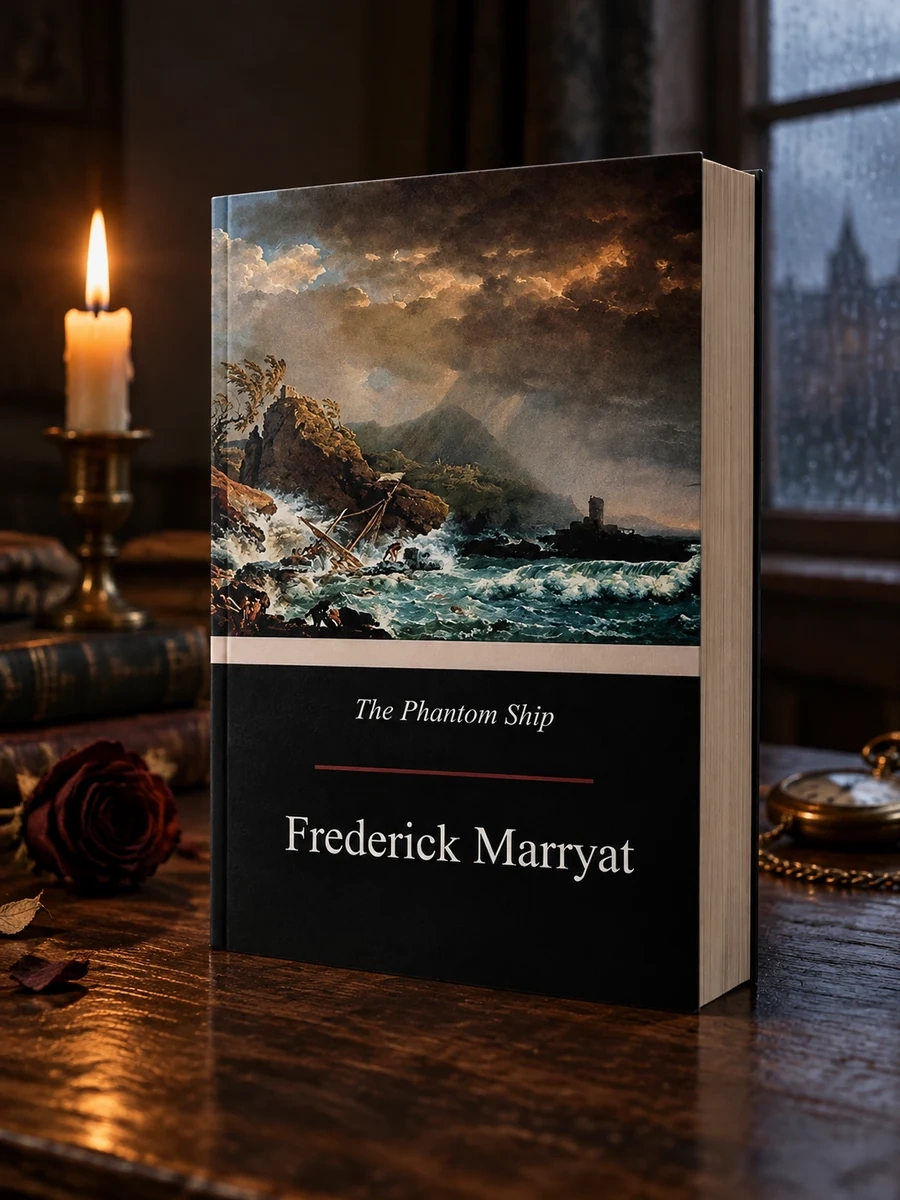
The Phantom Ship
A young Dutchman seeks to rescue his father from a cursed sea voyage.
Marryat constructs a narrative where personal redemption clashes with supernatural punishment. Philip Vanderdecken’s journey is not merely physical but spiritual. He confronts the reality that some sins cannot be undone by time or distance. The story examines how one act of violence can echo across generations. It asks whether love can break a divine decree. The tension lies in the inevitability of the curse rather than its surprise. Marryat uses the setting to amplify the emotional stakes. The ocean becomes a character that enforces judgment. This approach creates a somber tone throughout the text.
The story emerges from Dutch maritime history and European ghost lore. It reflects nineteenth-century fascination with naval legends. The Cape of Good Hope serves as a pivotal geographical marker in the plot.


📝 Description: The Phantom Ship
💎 Our verdict on The Phantom Ship
📖 Why choose it
Why this book is worth reading
Readers who appreciate atmospheric horror and legacy-driven plots will find this narrative compelling for its somber tone and emotional depth. The book suits those interested in classic ghost stories with historical grounding, offering a deliberate progression that prioritizes eerie atmosphere over sensationalism. It appeals to individuals fascinated by the intersection of familial duty and supernatural judgment. The story examines how one act of violence echoes across generations, providing a meditation on redemption and divine decree. Those who enjoy psychological horror rooted in maritime legend will value the authenticity brought by the author’s naval background. It is an ideal choice for fans of slow-burn narratives where the inevitability of the curse drives the tension rather than surprise.
⭐ Reader reviews
Reader rating
Marryat constructs a powerful narrative where personal redemption clashes with supernatural punishment, using the ocean as a character that enforces judgment. The story examines how one act of violence can echo across generations, creating a somber tone throughout. Marryat’s background lends authenticity to the seafaring elements, avoiding sensationalism in favor of steady, eerie progression. This approach amplifies emotional stakes, making the tension lie in inevitability rather than surprise. It suits fans of atmospheric horror and legacy-driven plots who prefer deliberate pacing. The novel does not shy away from grim consequences of hubris, offering a thoughtful exploration of divine decrees. Readers seeking historical depth within gothic traditions will find this work both compelling and intellectually engaging.
📖 Read on the blog
📖 From the series “Mint Editions (Nautical Narratives)”


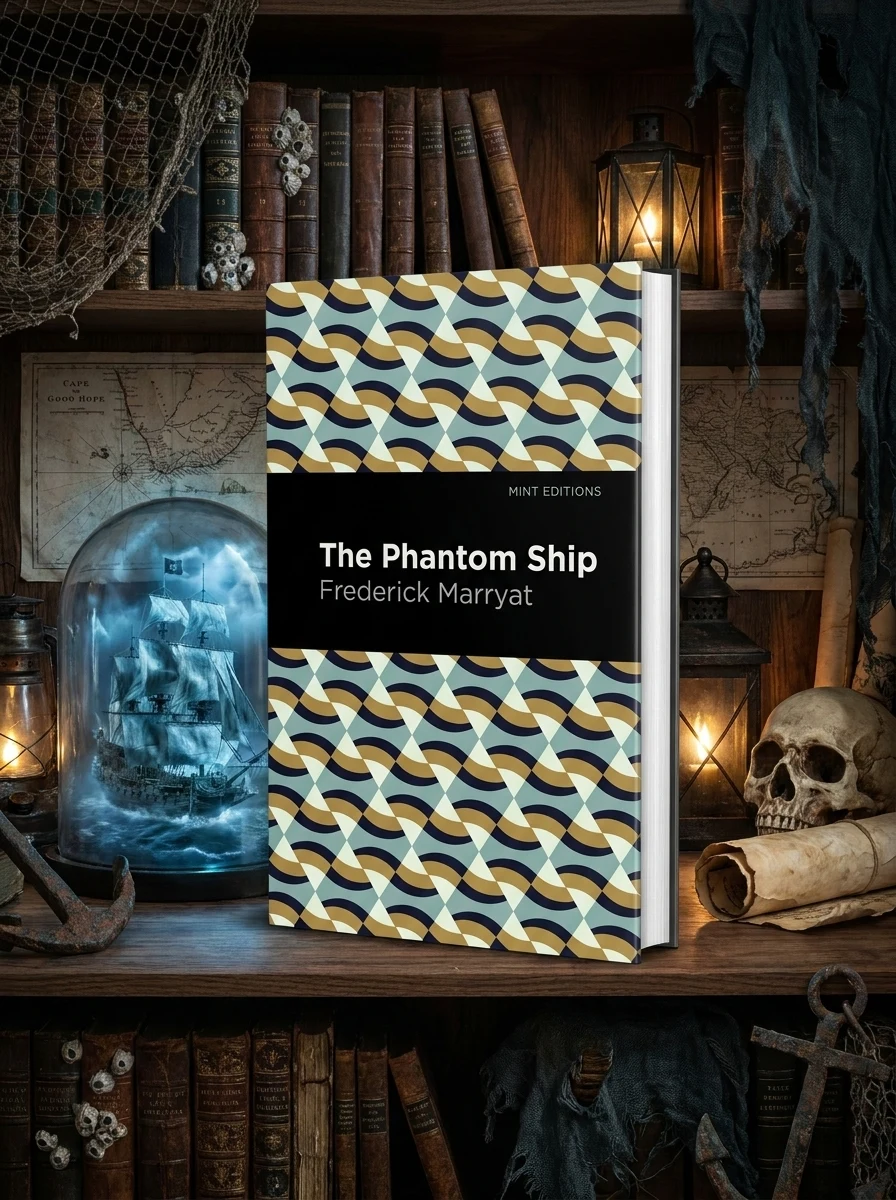
✍️ More books by this author Frederick Marryat


🏛 Books from this publisher Mint Editions





You might also like
See more →


Have a question about this item?
Ask about the edition, condition, delivery or anything else — we reply by email or phone, usually within a day.
