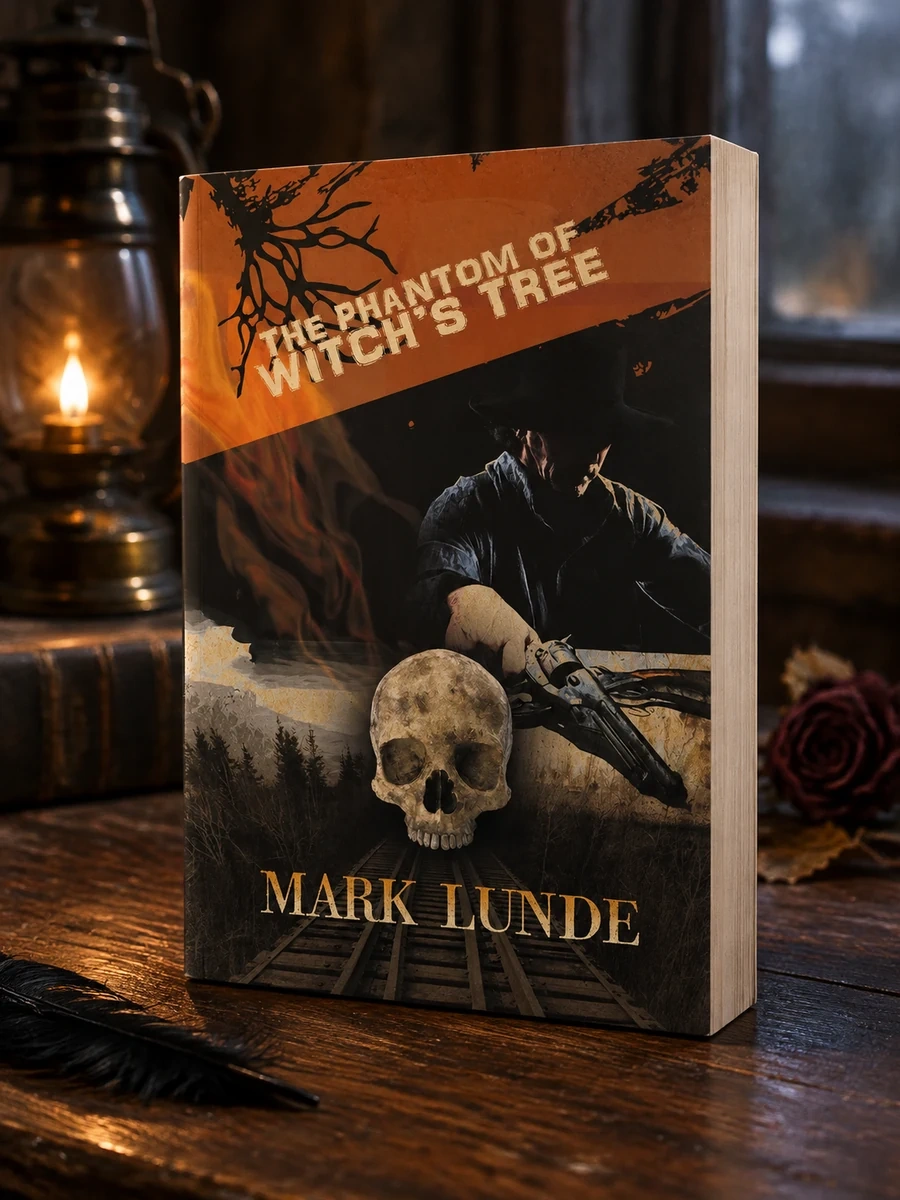
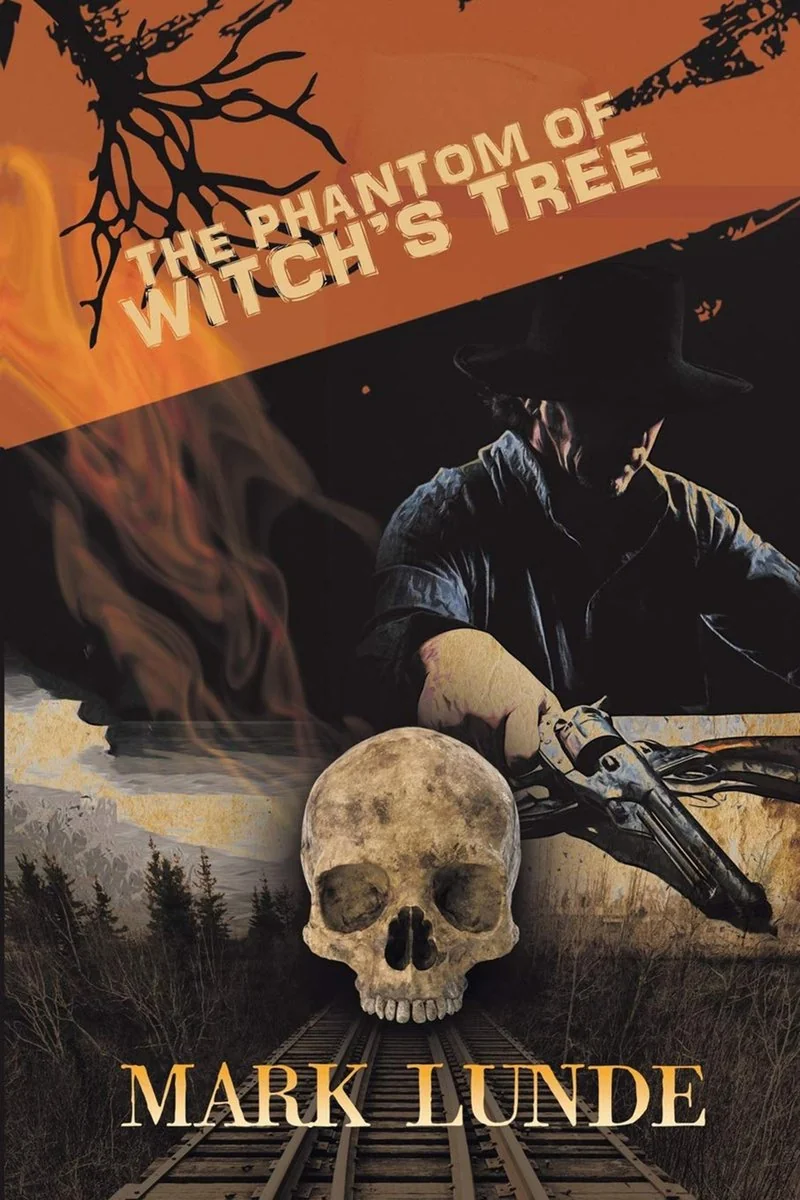
The Phantom of Witch's Tree
Currently unavailable
This book is sold out right now. Leave your email — we'll let you know if it comes back, and you'll get 10% off any book today.
In stock now — readers of this book also loved:





A deputy's guilt drives him into a hallucinatory alternate reality in 1912.
This work examines the psychological aftermath of violence through the lens of supernatural fiction. Mark Lunde uses the specific date of October 1912 to anchor the narrative in a time of limited medical understanding. The story does not offer redemption but rather explores the mechanics of guilt. Hargreaves’ flight from justice leads him away from society and into madness. The alternate reality functions as a mirror for his internal state. Lunde qualifies himself by focusing on character-driven horror rather than plot twists. The book suits fans of slow-burn dread and atmospheric storytelling. It does not suit readers who require logical explanations for supernatural events. The narrative structure mirrors Hargreaves’ mental fragmentation. Each chapter deepens the disconnect between perception and truth. The author avoids sensationalism, presenting the horror as a natural consequence of trauma. This approach creates a somber tone throughout the text. The historical context adds weight to the deputy’s powerlessness. The alternate dimension is not a place of adventure but of punishment. Lunde’s style is restrained yet effective in building tension.
The narrative is set in October 1912, placing it in the early twentieth century. This period precedes modern psychological understanding of trauma. The story reflects historical attitudes toward justice and duty. The setting emphasizes isolation and the lack of support for mental health issues common in that era.


📝 Description: The Phantom of Witch's Tree
💎 Our verdict on The Phantom of Witch's Tree
📖 Why choose it
Why this book is worth reading
This book serves readers who appreciate slow-burn dread and atmospheric storytelling over conventional plot mechanics. It is ideal for those interested in the intersection of historical setting and supernatural horror, specifically how guilt and trauma manifest psychologically. Fans of gothic fiction and psychological horror will find value in its character-driven approach. The narrative offers a somber exploration of human perception rather than redemption or adventure. Readers seeking logical explanations for supernatural events should look elsewhere. It appeals to those who enjoy fragmented narratives that mirror mental collapse. The work examines the fragility of the mind under extreme pressure without offering traditional hero arcs. It is a compelling study of internal decay and the consequences of fleeing justice.
⭐ Reader reviews
Reader rating
Lunde delivers a restrained yet effective examination of guilt through the lens of supernatural fiction. By anchoring the story in 1912, he leverages limited medical understanding to deepen the horror. The alternate reality functions not as an adventure but as a punishment, mirroring Hargreaves’ internal fragmentation. The narrative structure deliberately disconnects perception from truth, creating a somber tone throughout. This approach suits fans of atmospheric storytelling and gothic psychological horror. It avoids sensationalism, presenting horror as a natural consequence of trauma. However, readers requiring logical explanations or fast-paced action will likely find the ambiguity frustrating. The work succeeds by focusing on character-driven decay rather than external conflict. It is a compelling choice for those who enjoy slow-burn dread and complex explorations of mental unraveling.
📖 Read on the blog
✍️ More books by this author Mark Lunde

🏛 Books from this publisher Histria Scifi & Fantasy
You might also like
See more →Have a question about this item?
Ask about the edition, condition, delivery or anything else — we reply by email or phone, usually within a day.
