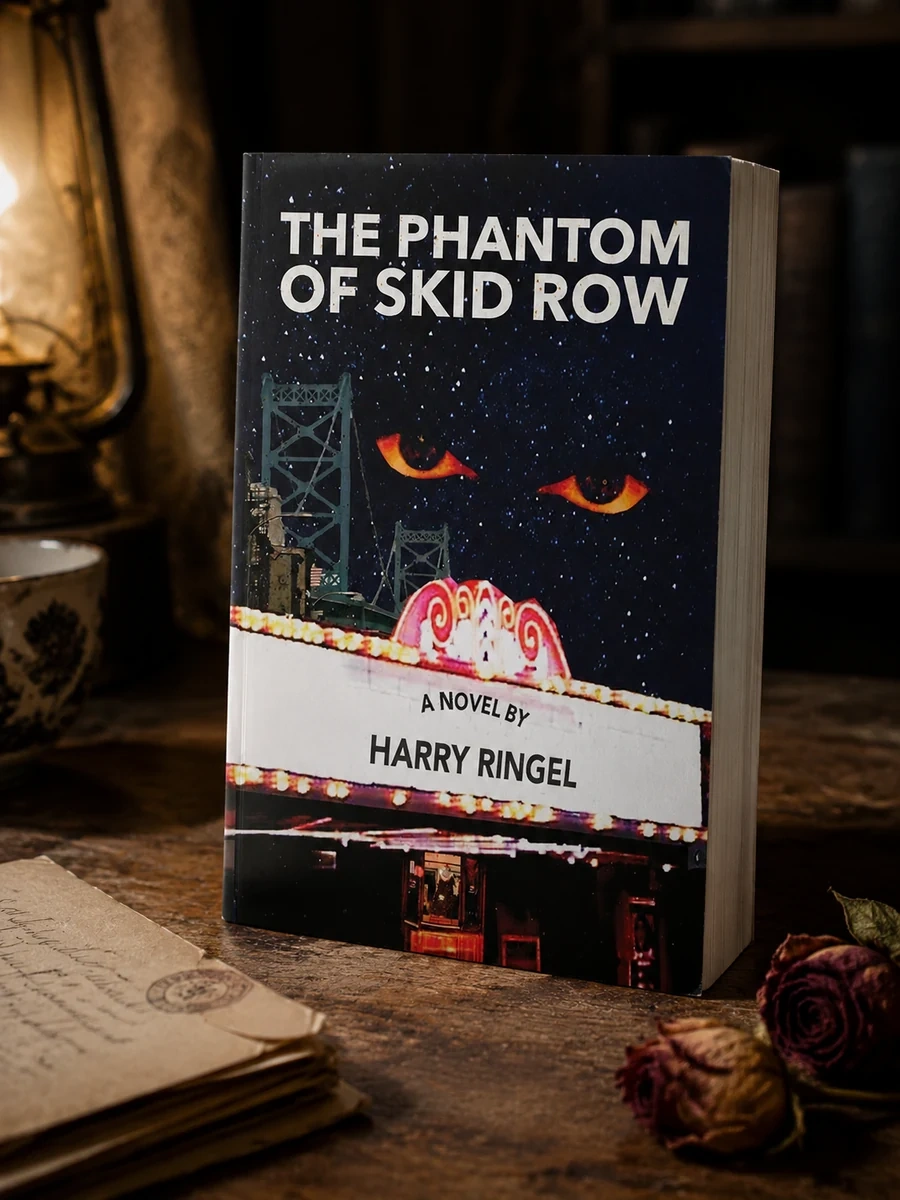
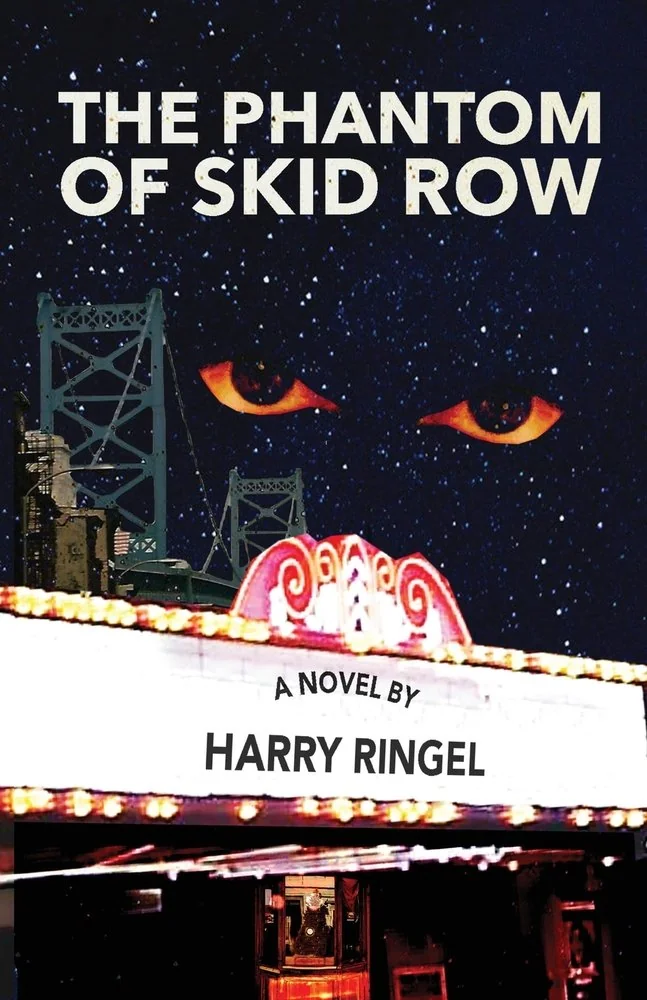
The Phantom of Skid Row
A study of a haunted theater's history from 1876 to its modern decline.
This title focuses on Dreamland, a venue built for the 1876 Centennial that later became a grindhouse. The narrative follows the building as it transforms into a home for Skid Row residents while harboring a persistent ghost. Ringel uses this setting to discuss broader themes of love and the human condition. The work connects cinematic history with supernatural elements, showing how the past influences the present. It is not a fast-paced thriller but a contemplative look at place and memory.
The book sits within the tradition of American gothic fiction, focusing on the specific history of Dreamland from its 1876 Centennial origins through its decline into a grindhouse. It reflects on the cultural shift in how urban spaces are used and remembered.


📝 Description: The Phantom of Skid Row
💎 Our verdict on The Phantom of Skid Row
📖 Why choose it
Why this book is worth reading
Readers who appreciate the intersection of cinematic history and gothic fiction will find significant value in this contemplative exploration of place and memory. The book is ideal for those interested in how physical spaces retain their pasts and influence current inhabitants, rather than those seeking fast-paced thrills. It offers a grounded look at the human condition through the lens of a haunted theater's evolution from its 1876 origins to its modern decline. By treating the setting as a character carrying echoes of tragedy, Ringel provides insights into love and history that extend beyond simple genre conventions. This title serves readers who enjoy slow-burn narratives where the accumulation of time and architectural memory creates a persistent, unwelcome supernatural presence.
⭐ Reader reviews
Reader rating
Ringel demonstrates a profound understanding of architectural memory, presenting a narrative where the building itself acts as a vessel for secrets and tragedies. The work successfully blends cinematic lore with deeper reflections on the human condition, offering insights that transcend typical horror conventions. While it lacks the shock value of straightforward thrillers, its strength lies in its contemplative tone and historical grounding. Readers seeking a fast-paced plot may find the focus on cinematic details less engaging; however, those interested in gothic fiction and the intersection of movie history will appreciate this grounded examination of how places retain their pasts. It is a thoughtful study rather than a conventional scare tale.
You might also like
See more →



Have a question about this item?
Ask about the edition, condition, delivery or anything else — we reply by email or phone, usually within a day.
