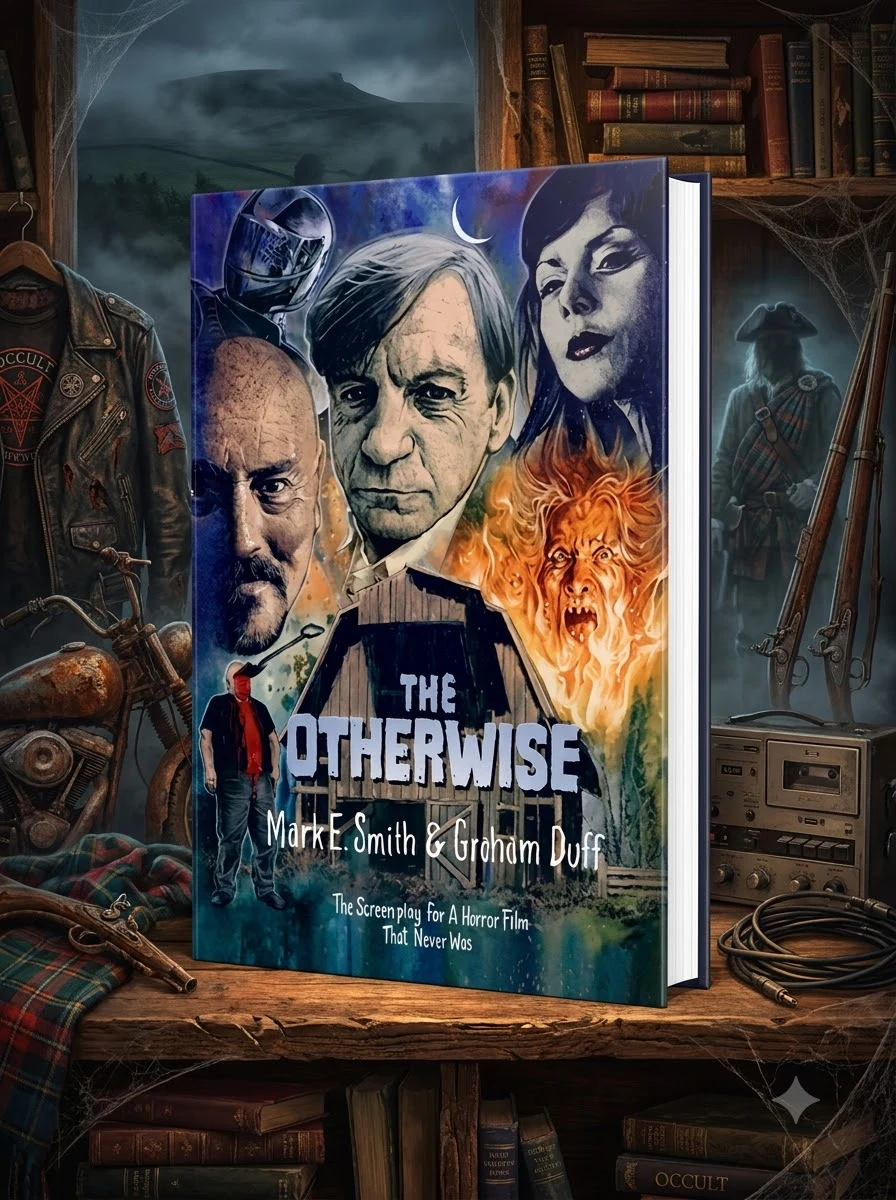
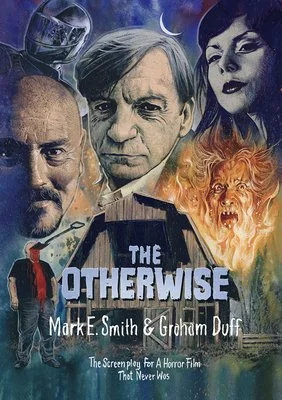
The Otherwise: The Screenplay for a Horror Film That Never Was
Currently unavailable
This book is sold out right now. Leave your email — we'll let you know if it comes back, and you'll get 10% off any book today.
In stock now — readers of this book also loved:



A published screenplay by Mark E Smith about a haunted recording studio on Pendle Hill.
The text offers a rare look into the collaborative mind of Mark E Smith and Graham Duff. It documents their attempt to translate post-punk energy into cinematic horror. The volume preserves the original vision through scripts, photos, and personal essays. Readers gain insight into how musical tastes and film preferences shaped the story's development.
This work emerges from the Lancashire landscape and the legacy of The Fall. It bridges the gap between post-punk music culture and horror screenwriting. The material reflects a specific moment in 2015 when Smith and Duff explored supernatural themes through their artistic partnership.


📝 Description: The Otherwise: The Screenplay for a Horror Film That Never Was
💎 Our verdict on The Otherwise: The Screenplay for a Horror Film That Never Was
📖 Why choose it
Why this book is worth reading
Readers interested in the intersection of music and horror will find this volume essential. It offers a rare glimpse into Mark E Smith’s creative process, documenting his attempt to translate post-punk energy into cinematic form. The inclusion of handwritten notes, unpublished photographs, and essays provides insight into how musical tastes shaped the narrative. Those fascinated by the development of gothic horror through a non-traditional lens will appreciate the raw, unsettling nature of this artifact. It is ideal for those who value the creative journey over polished final products.
⭐ Reader reviews
Reader rating
This book succeeds as a unique document of artistic collaboration rather than a conventional screenplay. By preserving original scripts alongside personal essays and photographs, it captures the chaotic energy of its creators. The text effectively illustrates how musical influences like Can and acid house informed the horror elements. While it may disappoint readers seeking a traditional narrative arc, it rewards those interested in the mechanics of creative generation. The inclusion of dialogues about film preferences adds depth to the understanding of the project’s vision. It stands as a compelling study for fans of post-punk history and gothic aesthetics.
You might also like
See more →
Have a question about this item?
Ask about the edition, condition, delivery or anything else — we reply by email or phone, usually within a day.
