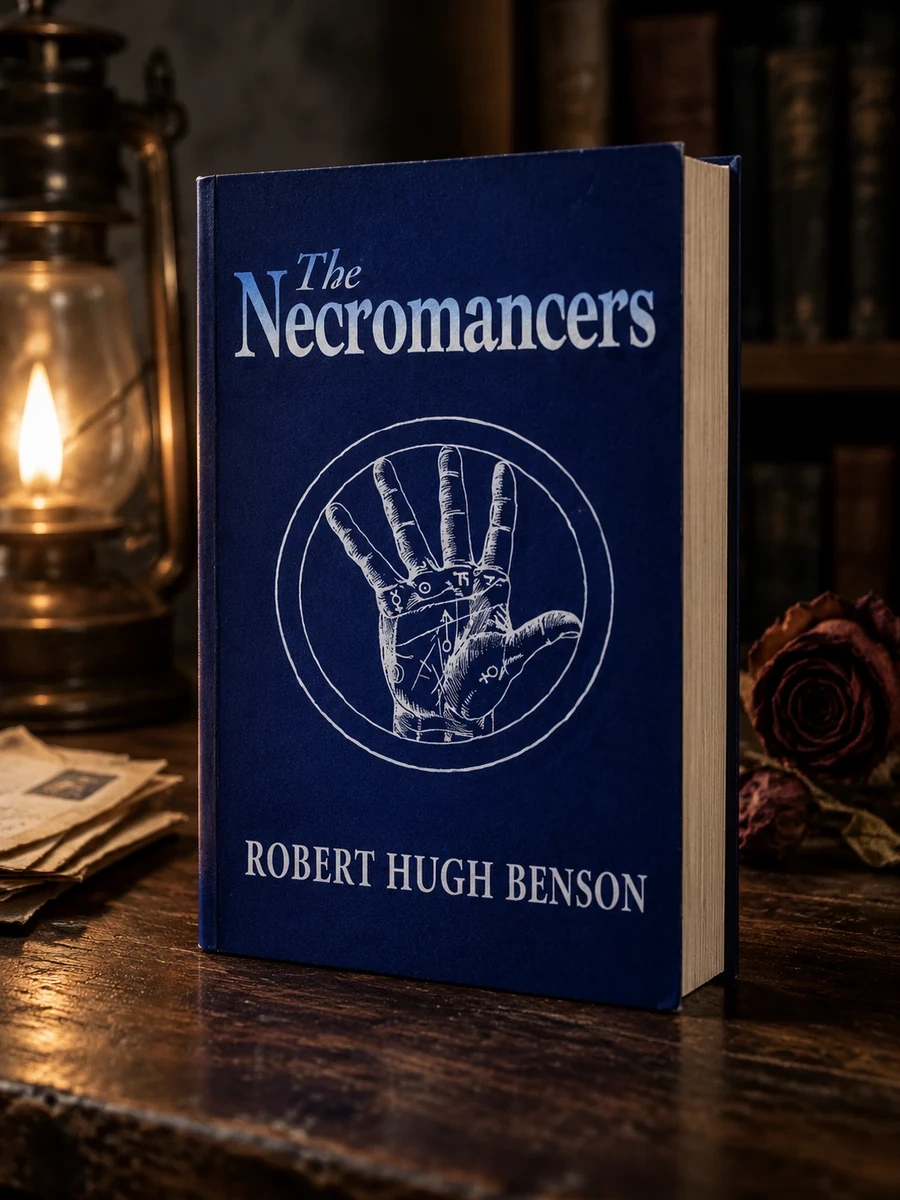
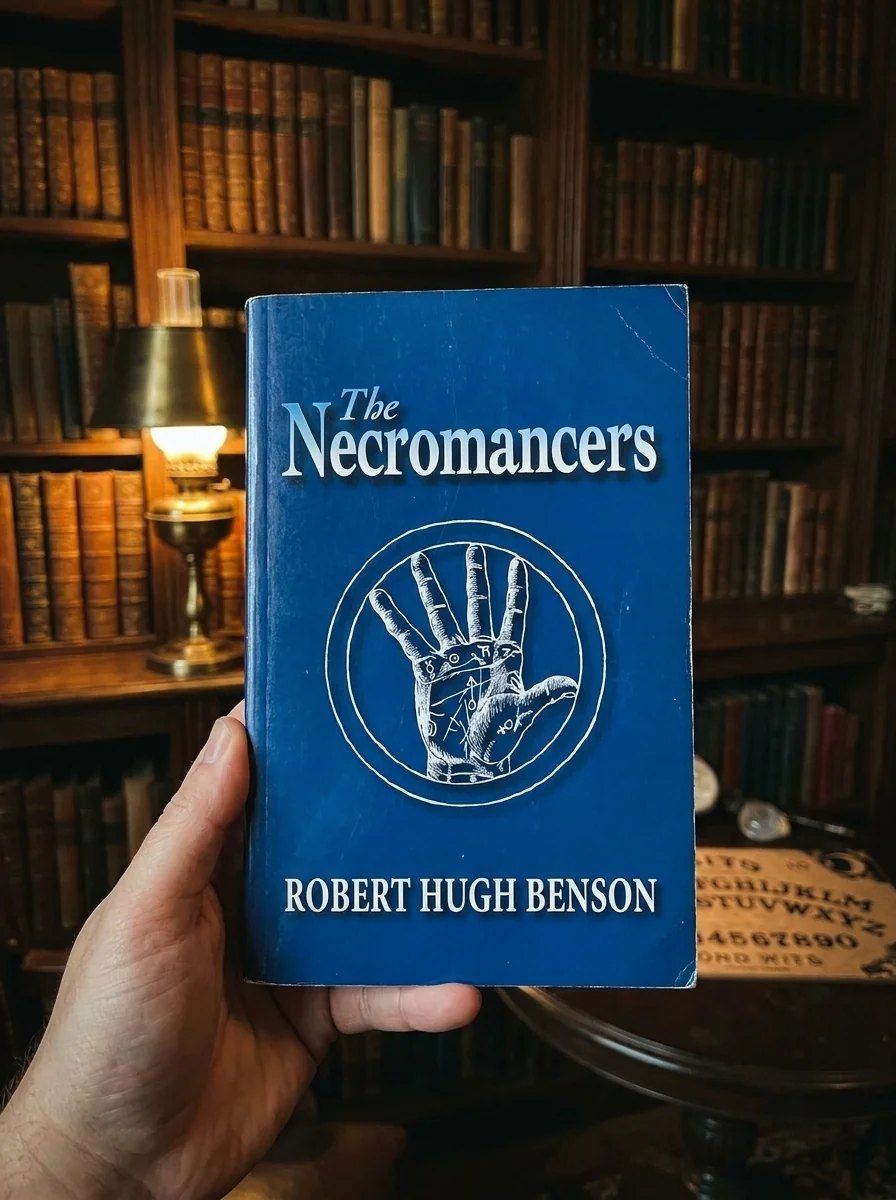

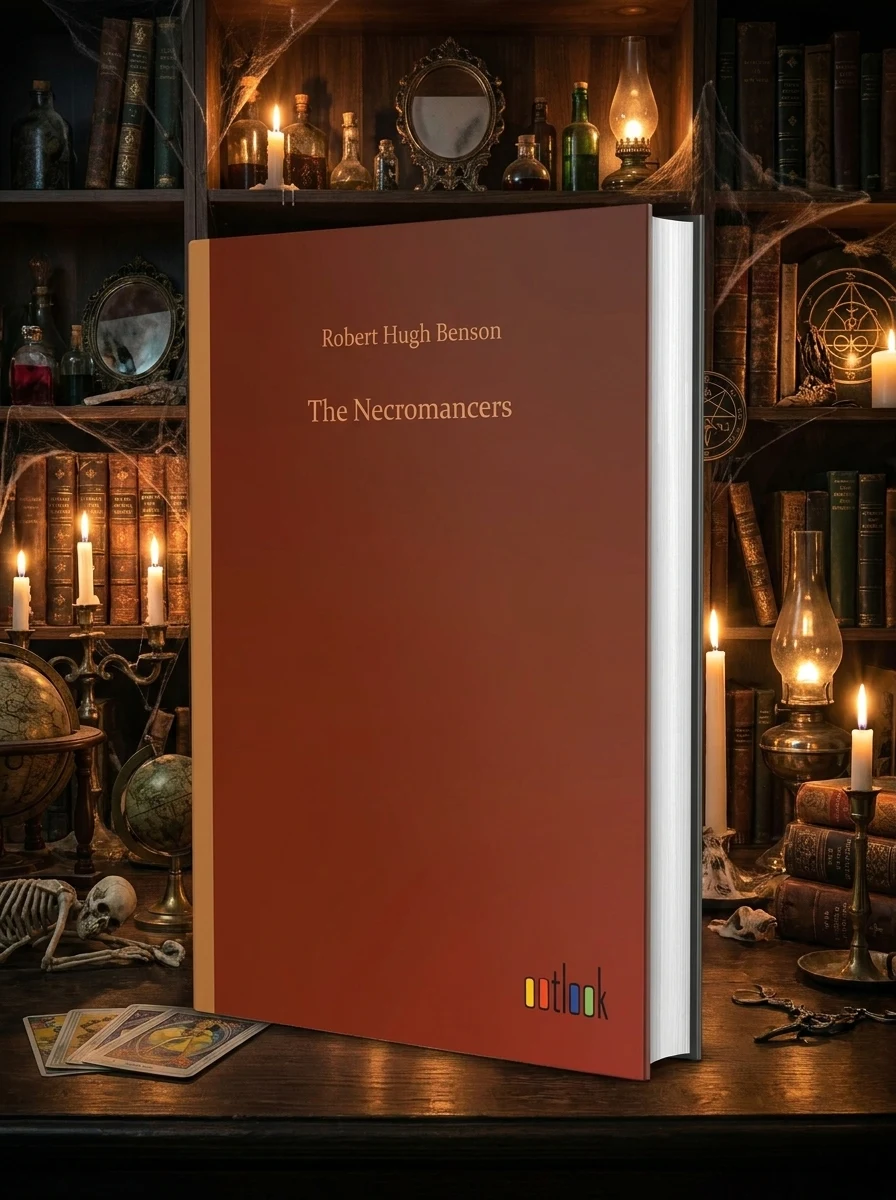
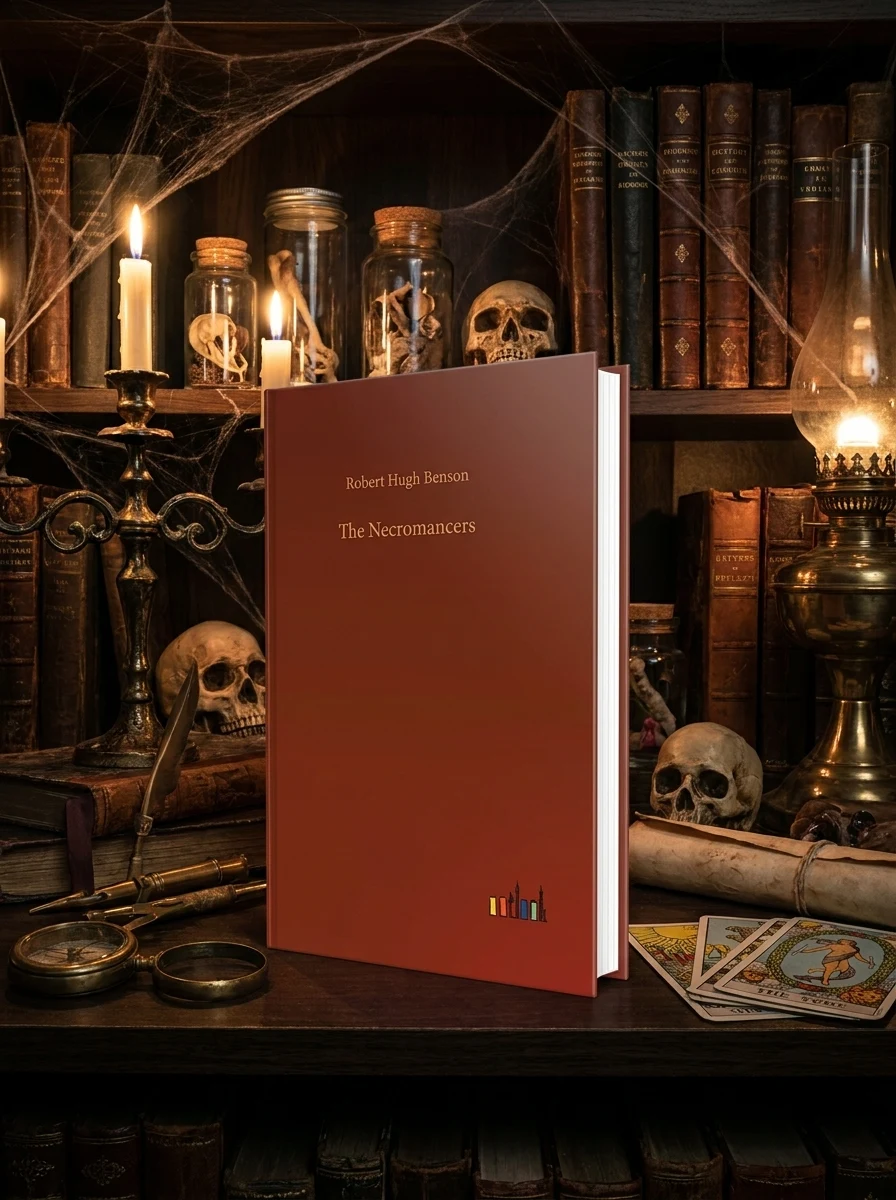
The Necromancers
Benson's 1904 novel exposing the spiritual dangers of early twentieth century spiritism.
This novel serves as a direct attack on spiritism, which had reached epidemic proportions by the early twentieth century. Benson uses the narrative to demonstrate the perilous nature of communicating with the dead. The story elevates the uncanny to a heroic level, achieving a unique form of horror. Martindale praised this work for its high pitch of terror without relying on external elements. The plot follows characters who encounter these supernatural forces. The tension builds as they face the consequences of their spiritual curiosity. This is not a tale of ghosts but of demonic entities. The religious perspective provides a distinct framework for the scares. Readers will find a serious examination of faith and fear. The narrative structure supports this thematic depth.
The book critiques spiritism's epidemic popularity in the early twentieth century. Benson, a priest, wrote it to expose the spiritual risks. Martindale, S.J., highlighted its unique approach to horror. The work reflects the religious anxieties of that specific historical period regarding supernatural practices.


📝 Description: The Necromancers
💎 Our verdict on The Necromancers
📖 Why choose it
Why this book is worth reading
Readers who appreciate serious examinations of faith and fear will find this work compelling. It appeals to those interested in gothic fiction where the horror arises from theological conflict rather than cheap scares. The book is ideal for audiences seeking a stark warning against spiritualist engagement, offering a narrative that frames the struggle as a battle for the soul. Those who enjoy psychological and cosmic horror with a distinct religious framework will value its unique approach to demonic influence. It is not for readers seeking lighthearted entertainment or secular fantasy, but for those ready to confront the perilous nature of spiritual curiosity through a heroic lens.
⭐ Reader reviews
Reader rating
Benson achieves a high pitch of terror without relying on external elements, elevating the uncanny to a heroic level. The narrative structure supports deep thematic exploration of demonic entities disguised as spirits. Martindale praised this work for its unaided horror and serious examination of faith. It suits readers interested in supernatural threats grounded in religious tradition. The focus remains on spiritual implications rather than standard genre tropes like vampires or werewolves. This approach distinguishes it from typical ghost stories, offering a unique form of horror that challenges the reader’s understanding of spiritual safety. The tension builds effectively as characters face consequences of their curiosity.
📖 Read on the blog
✍️ More books by this author Robert Hugh Benson
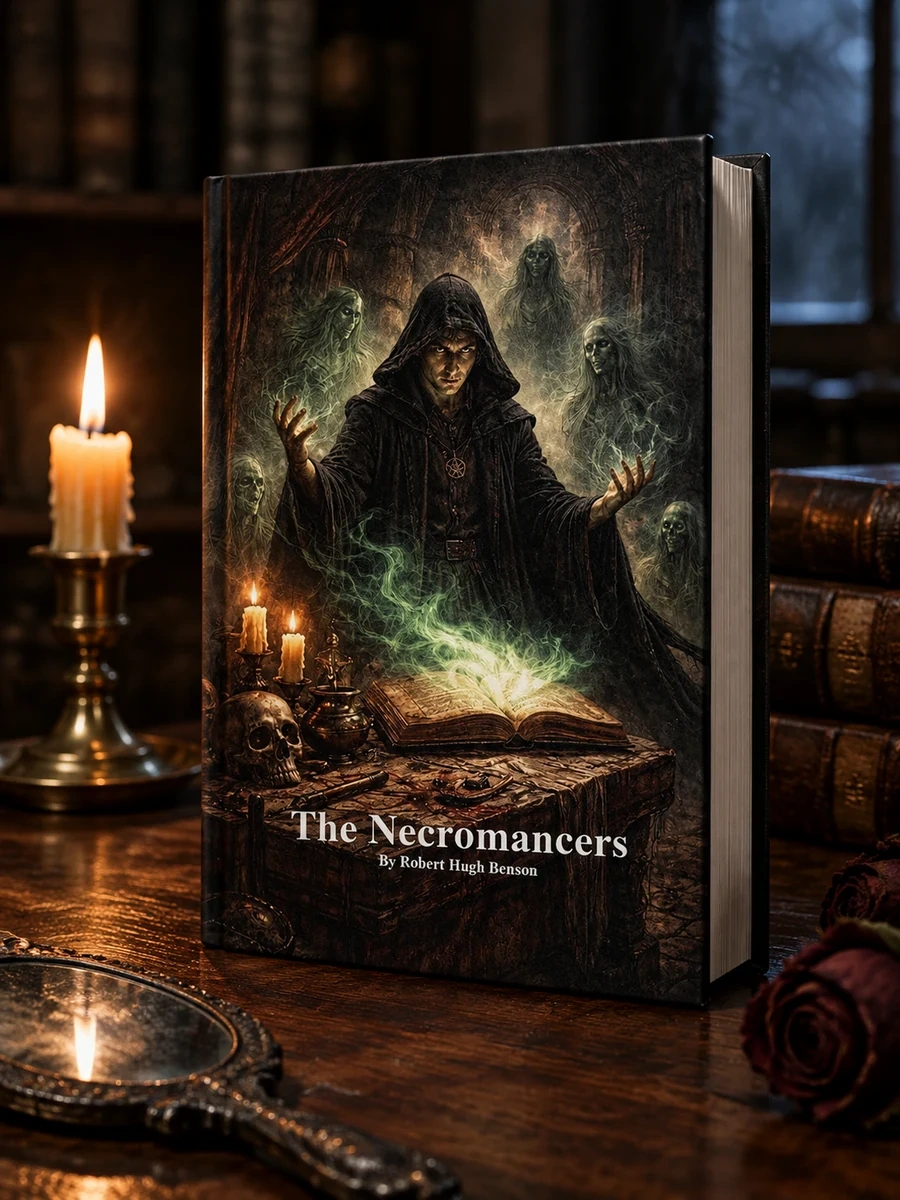


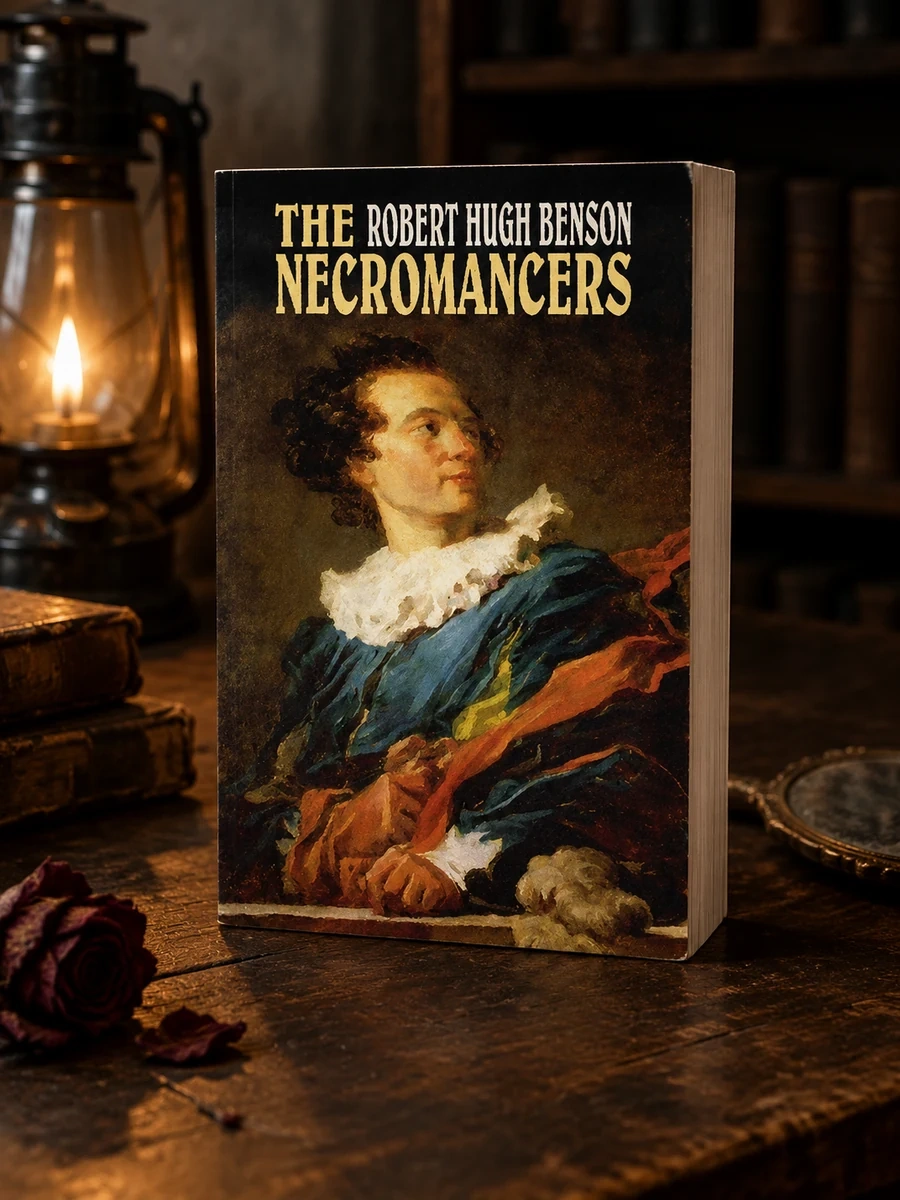
🏛 Books from this publisher Once and Future Books
You might also like
See more →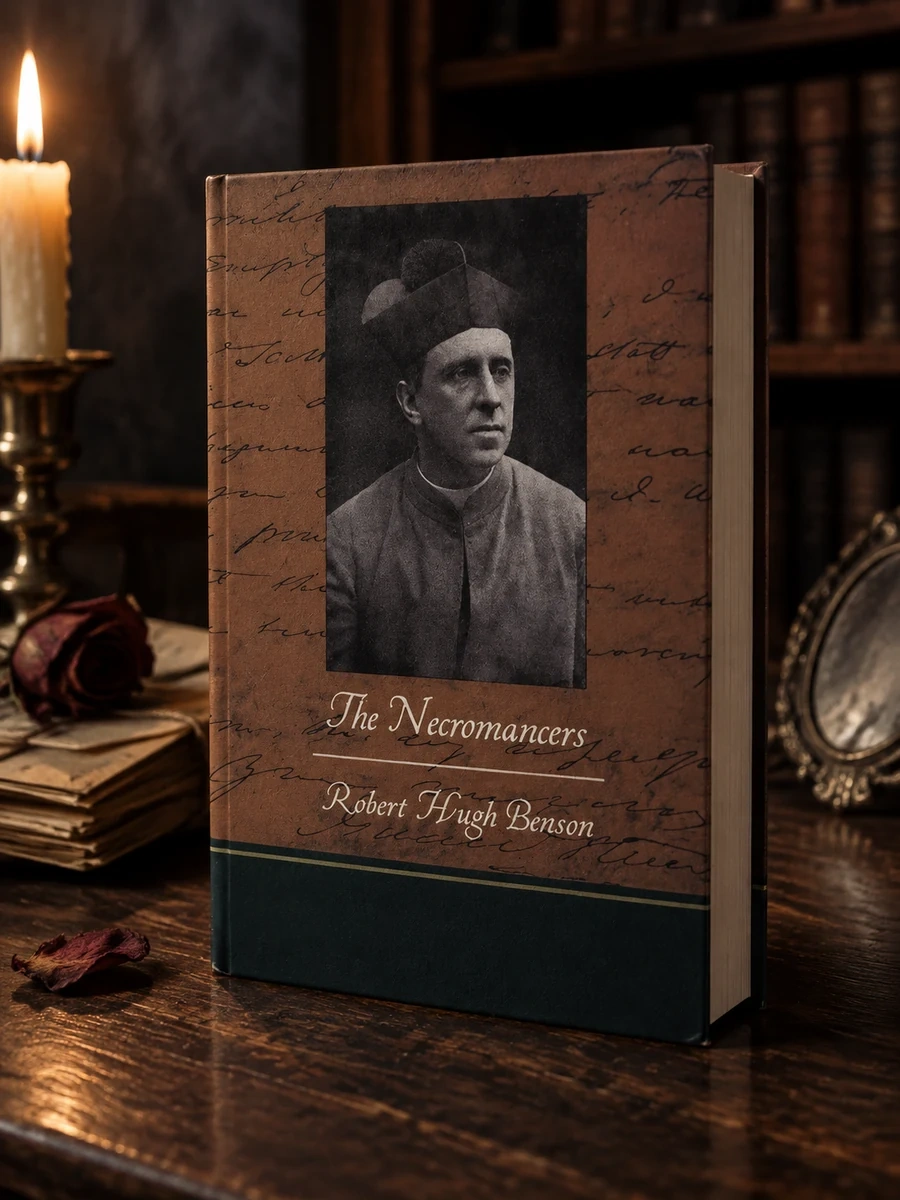




Have a question about this item?
Ask about the edition, condition, delivery or anything else — we reply by email or phone, usually within a day.
