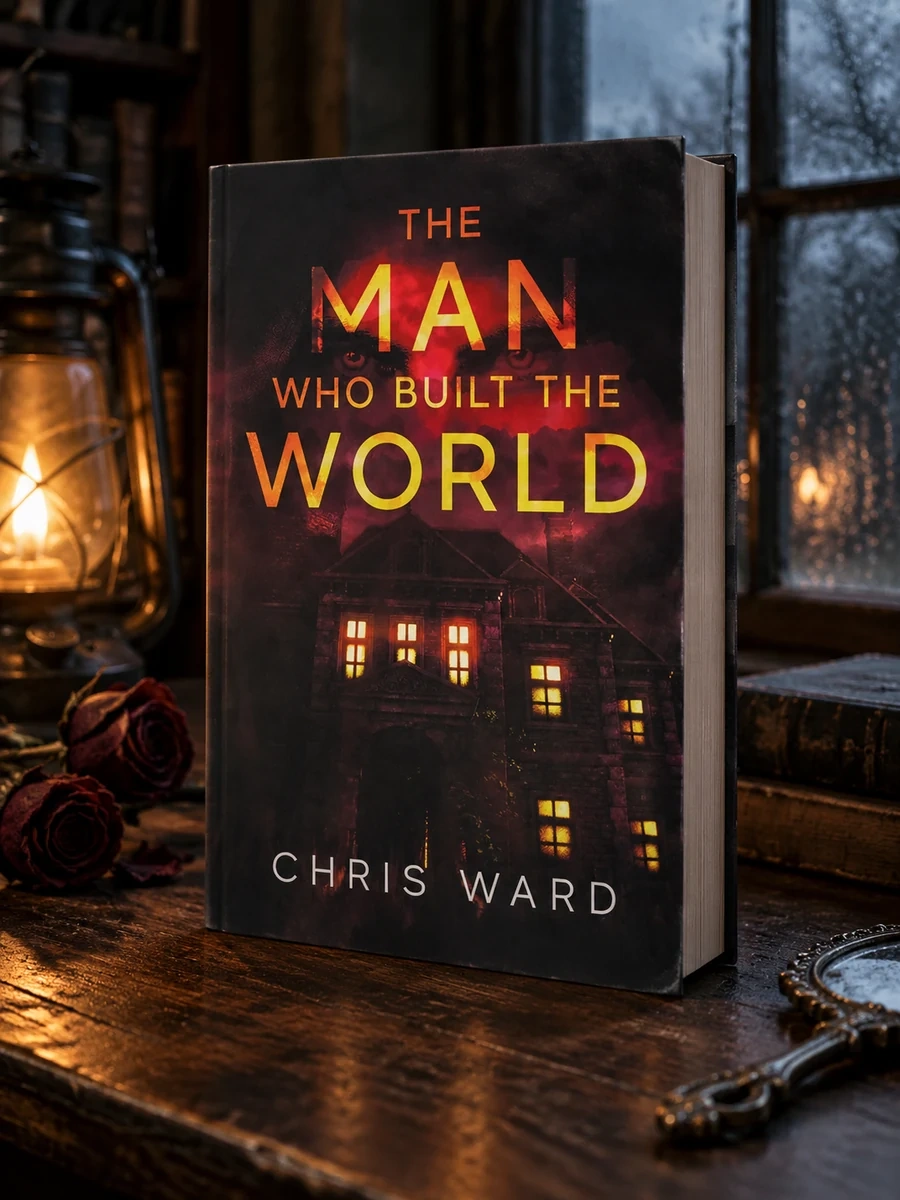
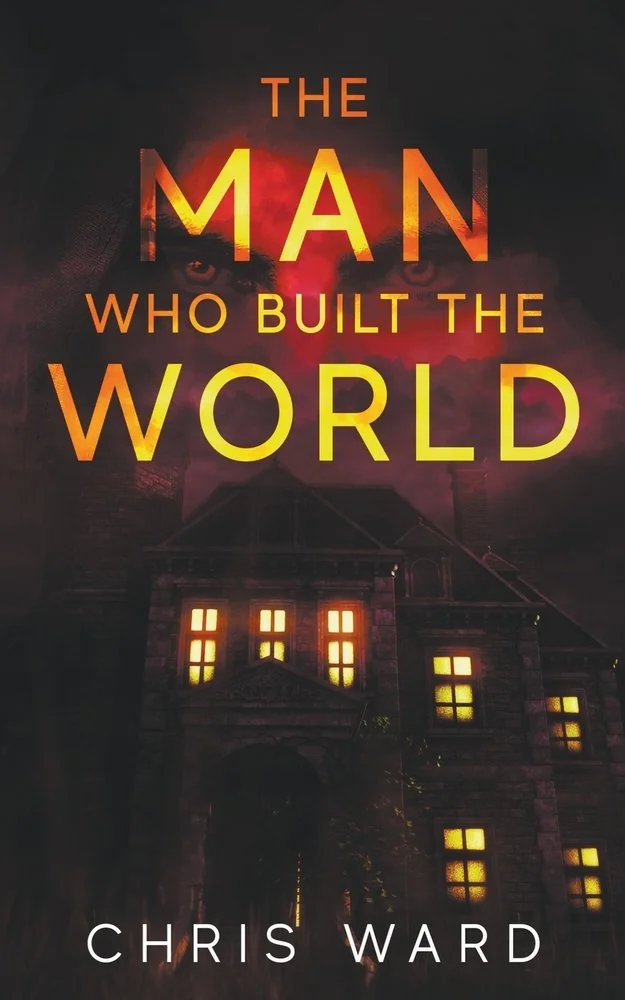
The Man Who Built the World
A man returns to his childhood town to uncover dark family secrets involving ageless sisters.
Matthew Cassidy’s life unravels as he faces professional ruin and marital strife caused by his uncontrollable anger. A call from his estranged father draws him back to Tamerton, a place he fled years ago. There, he confronts the lingering mystery of his mute sister and his mother’s disappearance. The arrival of two beautiful, ageless sisters in a moor cottage adds a supernatural layer to his personal crisis. Ward uses this setting to explore themes of inherited trauma and hidden histories. The plot relies on Matt’s internal struggle as much as external events. He must decide what he is willing to sacrifice for the truth. The narrative does not provide comfort or closure, only revelation.
Published by Ammfa Publishing in 2015, this work sits within the tradition of American supernatural fiction. It draws on gothic tropes of isolated cottages and moors to create a sense of dread. The story reflects contemporary anxieties about mental health and family dysfunction.


📝 Description: The Man Who Built the World
💎 Our verdict on The Man Who Built the World
📖 Why choose it
Why this book is worth reading
Readers seeking a slow-burn psychological thriller with gothic undertones will find this novel compelling. It appeals to those interested in exploring the complexities of family secrets and the lingering impact of past violence on present identity. The story offers a deep dive into the protagonist’s internal struggle, making it suitable for audiences who prefer emotional depth and atmospheric tension over fast-paced action or clear moral resolutions. Those willing to engage with an unsettling narrative that challenges assumptions about history and self will gain a rewarding, albeit uncomfortable, experience.
⭐ Reader reviews
Reader rating
Ward crafts a tense atmosphere where the supernatural merges seamlessly with personal trauma. The novel excels in portraying Matthew Cassidy’s psychological unraveling, using the eerie setting of Tamerton to amplify his internal conflict. While the lack of easy closure may frustrate readers seeking conventional horror thrills or quick resolutions, it suits those who appreciate literary depth and ambiguous morality. The focus on inherited secrets and the blurring of human and supernatural lines creates a compelling, if unsettling, narrative that rewards patient readers with a profound exploration of identity and truth.