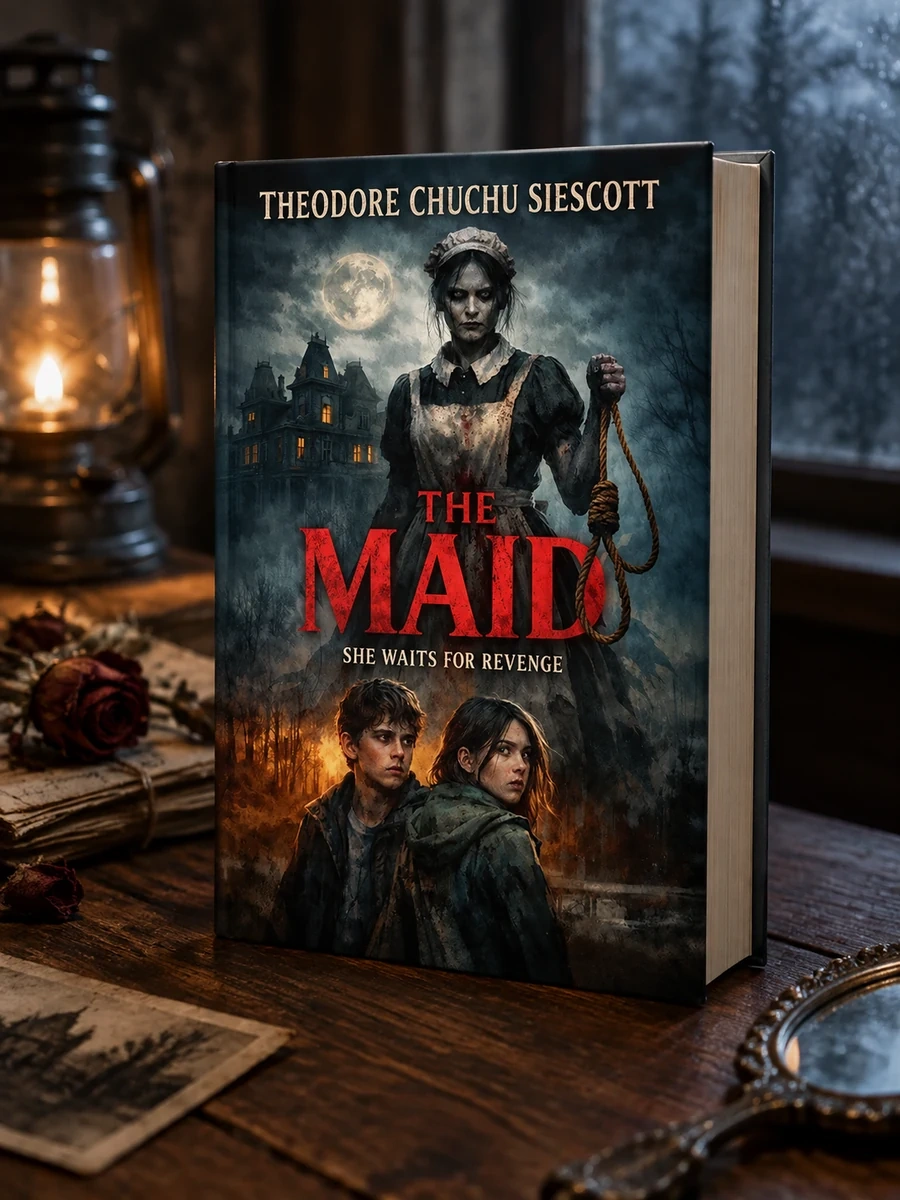
The Maid
A maid's ghost haunts a mansion, punishing those who enter its halls.
Siescott constructs a narrative where past injustices dictate present dangers. The story begins with Eliza Hale's death in the Anderson mansion basement. Her spirit remains bound to the location, targeting anyone who enters. Two decades later, high school students arrive during a storm. They become targets of her wrath. Only Theresa and Chris survive by uncovering the truth behind her suffering. The plot relies on this specific sequence of events rather than abstract concepts. The author uses the mansion setting to highlight themes of economic exploitation. The narrative does not shy away from the violence inflicted upon the students. It presents a direct cause-and-effect relationship between Eliza's death and the subsequent hauntings.
The text draws on American gothic traditions of haunted houses and class disparity. It reflects early twenty-first century concerns about labor rights and historical memory. The setting in a private mansion emphasizes the isolation of the working poor.


📝 Description: The Maid
💎 Our verdict on The Maid
📖 Why choose it
Why this book is worth reading
Readers who appreciate the intersection of social critique and supernatural terror will find this narrative compelling. The book appeals to those interested in how unresolved class injustices linger within physical structures, transforming a home into a site of danger rather than refuge. It is ideal for audiences seeking bleak, atmospheric tales where historical wrongs dictate present dangers without offering comfort or easy resolutions. The focus on the mansion as an active character holding secrets provides a unique perspective on domestic horror.
⭐ Reader reviews
Reader rating
Siescott crafts a stark examination of grief and rage within domestic confines, avoiding traditional moral comfort in favor of unflinching psychological tension. The narrative effectively uses the Anderson estate to highlight themes of economic exploitation, making the setting itself a source of dread. While the tone is undeniably bleak, it suits readers who prefer gothic tales where historical trauma manifests as physical threats. The direct cause-and-effect structure ensures clarity amidst the horror, appealing to those who value thematic depth over abstract scares in their ghost story consumption.
📖 Read on the blog
✍️ More books by this author Theodore Chuchu Siescott
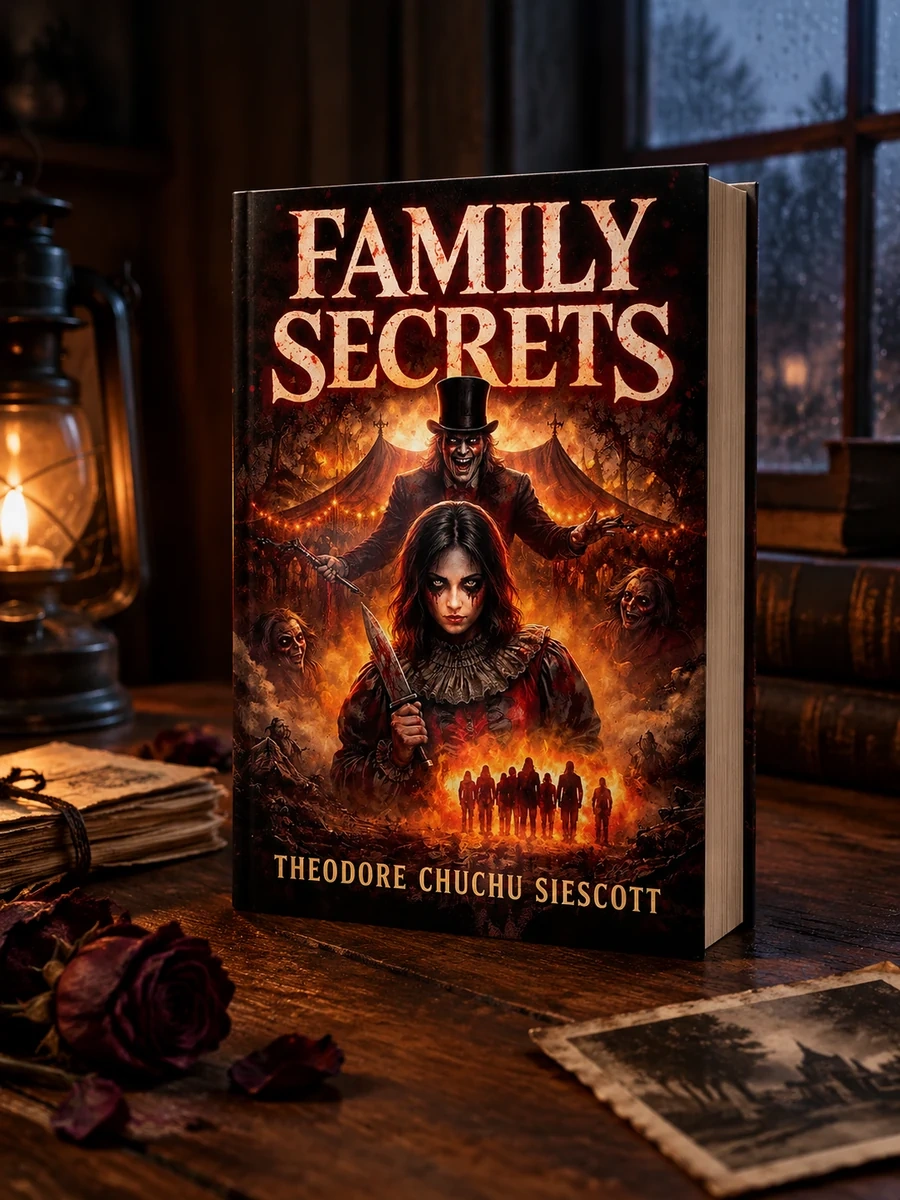


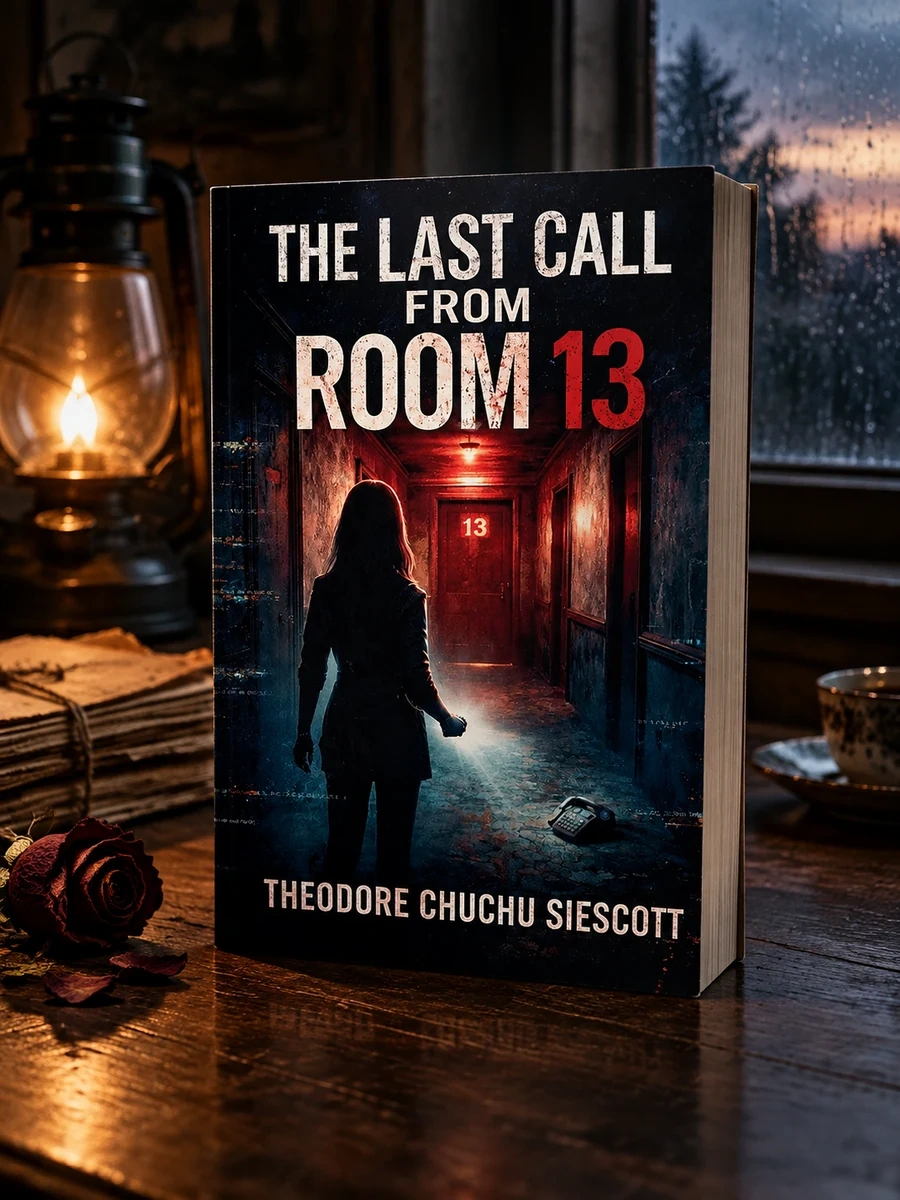


🏛 Books from this publisher Theodore Chuchu Siescott

You might also like
See more →


Have a question about this item?
Ask about the edition, condition, delivery or anything else — we reply by email or phone, usually within a day.
