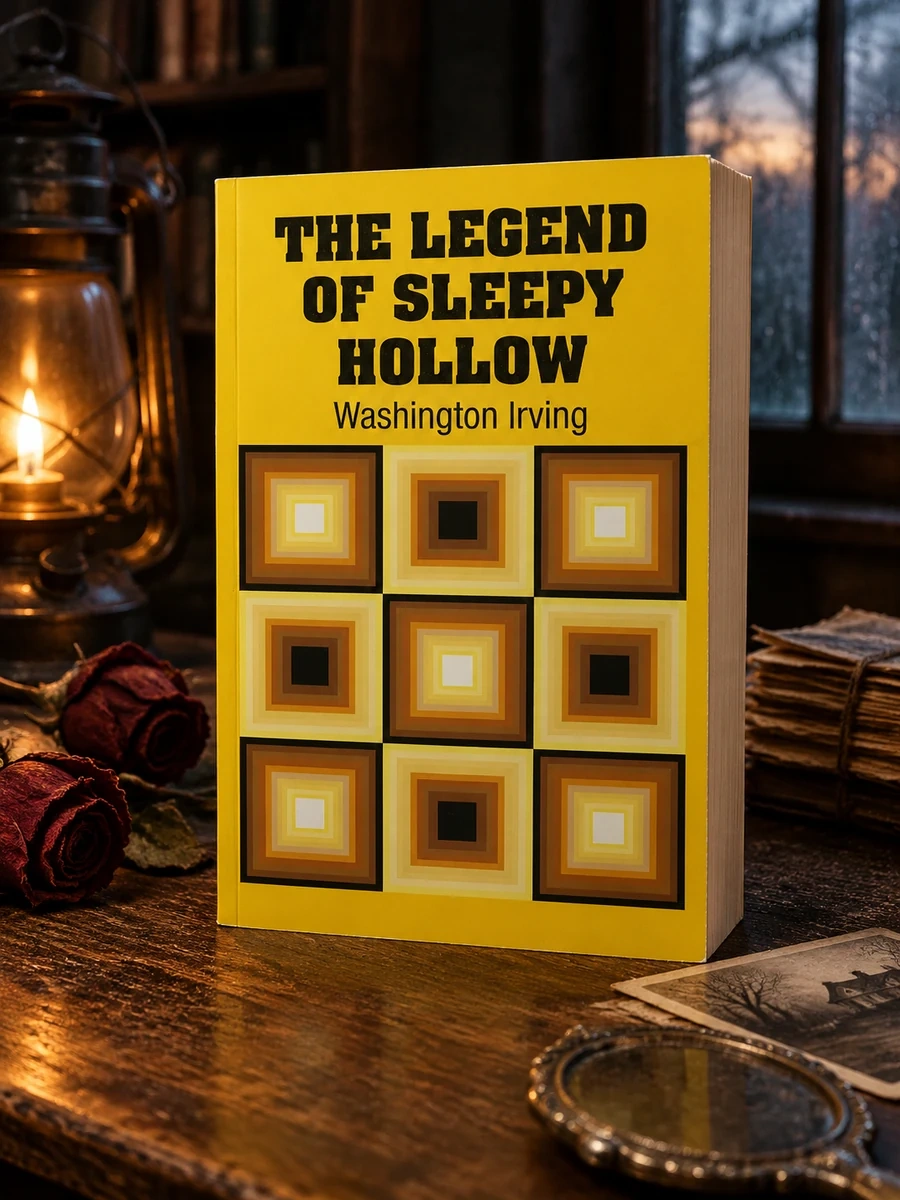
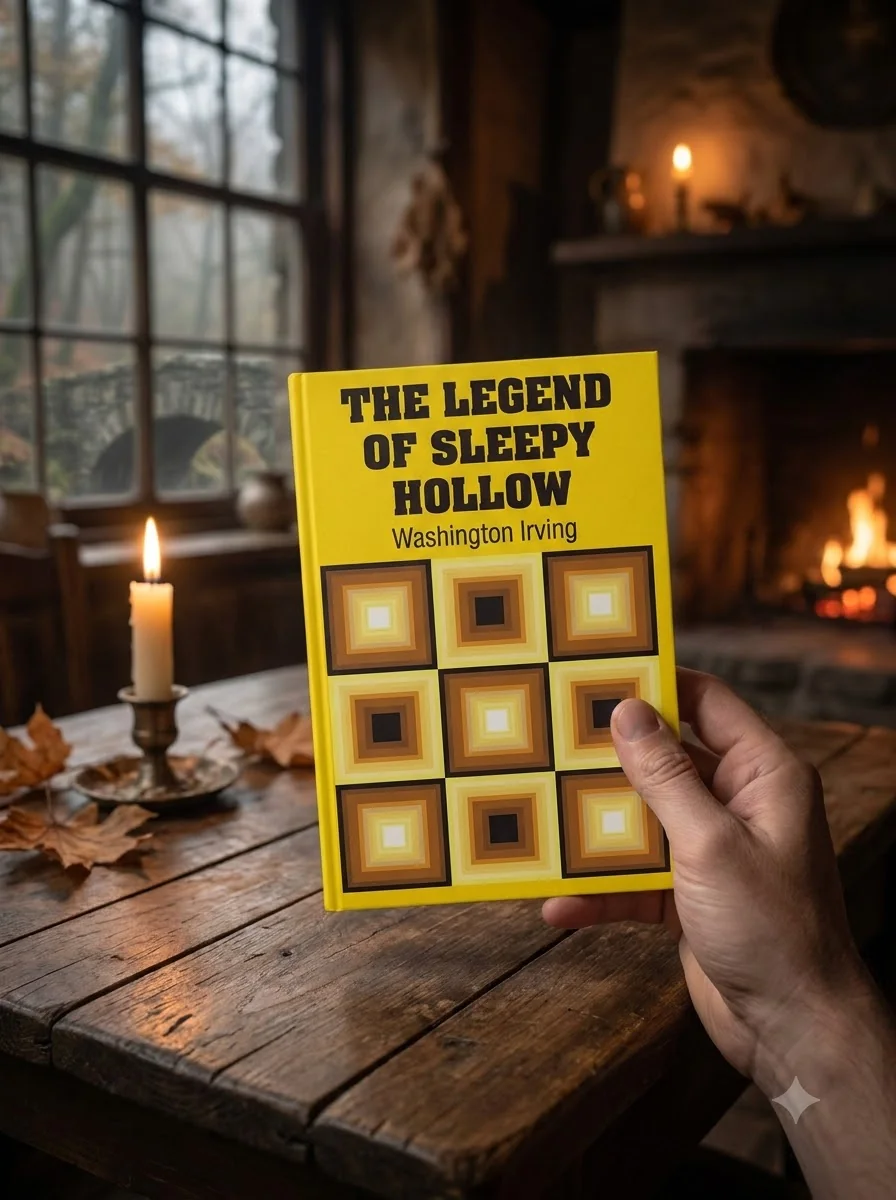

The Legend of Sleepy Hollow
A classic American gothic tale featuring the Headless Horseman.
This edition presents Washington Irving's seminal work from his 1820 collection. The narrative explores the clash between rational skepticism and local superstition in a Dutch settlement. Irving uses the legend of the decapitated Hessian soldier to drive the plot. The text reflects the author's time in England while examining American folklore. Readers experience the tension between historical fact and supernatural belief. The story remains relevant for its exploration of fear and community myth-making.
Irving wrote this piece while living in Birmingham, England. It first appeared in 1820 within The Sketch Book of Geoffrey Crayon, Gent. The work stands as an early example of American fiction with enduring popularity, particularly during Halloween celebrations due to its supernatural themes and the legend of the decapitated soldier.


📝 Description: The Legend of Sleepy Hollow
💎 Our verdict on The Legend of Sleepy Hollow
📖 Why choose it
Why this book is worth reading
Readers drawn to the origins of American gothic fiction will find this text essential for understanding how early writers utilized local superstition and historical legend to create enduring atmospheric dread. It offers a unique window into the clash between rational skepticism and supernatural belief within a tight-knit community, appealing to those interested in the construction of myth and fear. Fans of classic horror tropes, particularly the spectral figure of the Headless Horseman, will appreciate the nostalgic yet eerie tone that defines the work. This book is ideal for Halloween enthusiasts seeking traditional seasonal fears rather than modern psychological thrillers, providing a staple experience of rural landscape and oral tradition that remains relevant for its exploration of community identity.
⭐ Reader reviews
Reader rating
Washington Irving’s seminal tale masterfully weaves Dutch colonial folklore with gothic atmosphere to create a narrative steeped in supernatural dread. The text excels in establishing a nostalgic yet eerie tone, effectively contrasting historical fact with local superstition through the lens of an oral tradition. Readers seeking fast-paced action or modern psychological complexity may find the pace deliberate, but those appreciating classic horror tropes will thrive in this exploration of fear and community myth-making. The enduring connection to seasonal fears makes it a compelling choice for Halloween reading. Irving’s prose captures the rural setting vividly, allowing the historical voice to remain intact without alteration. This work remains a vital staple for understanding early American fiction and its lasting impact on the horror genre.
📖 Read on the blog
✍️ More books by this author Washington Irving
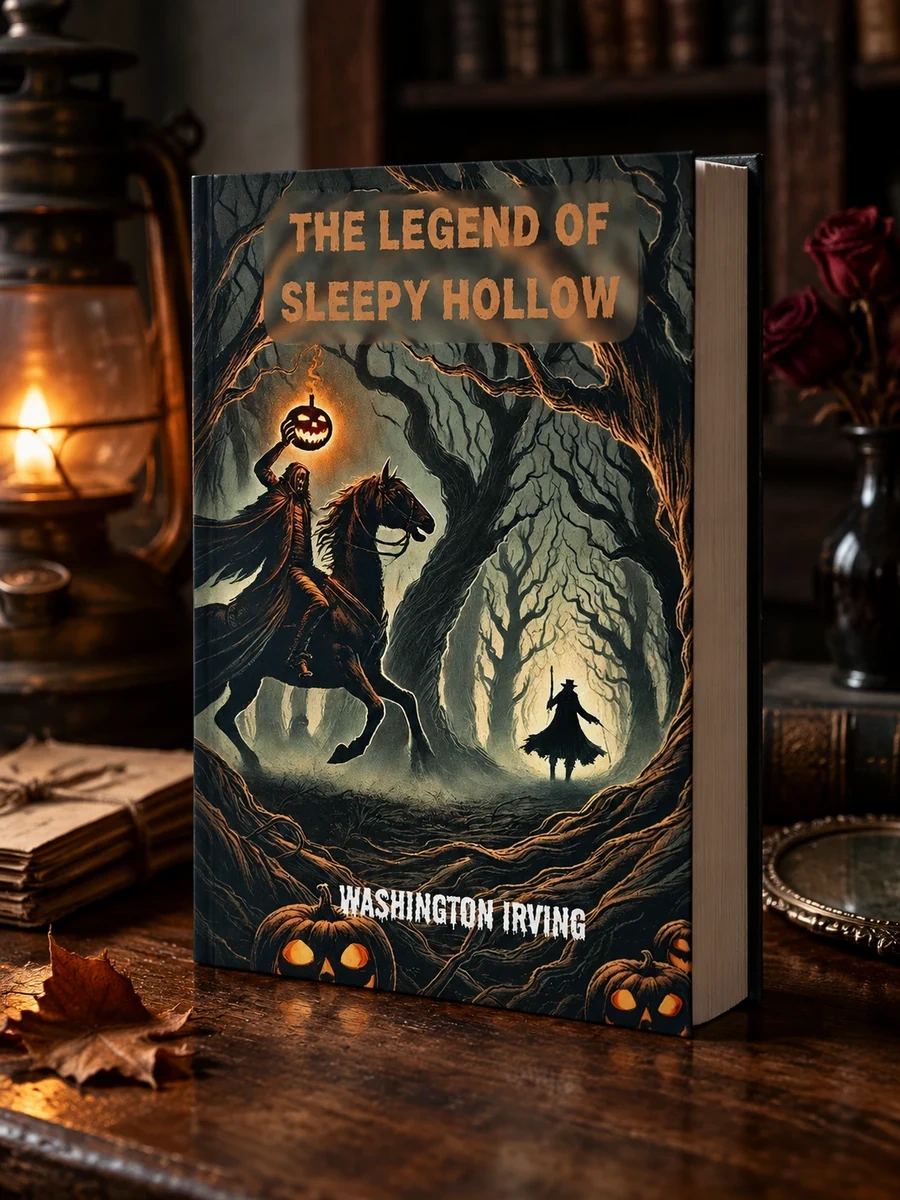


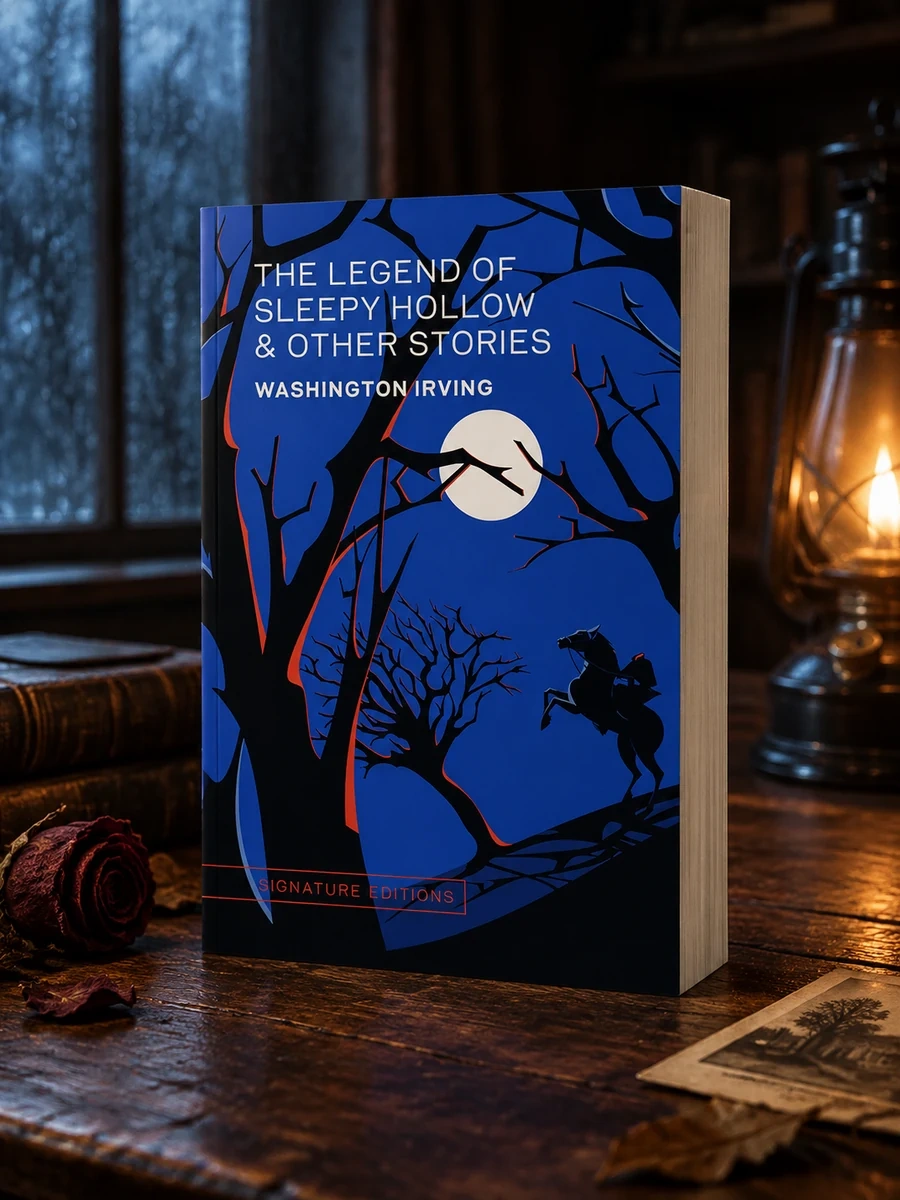
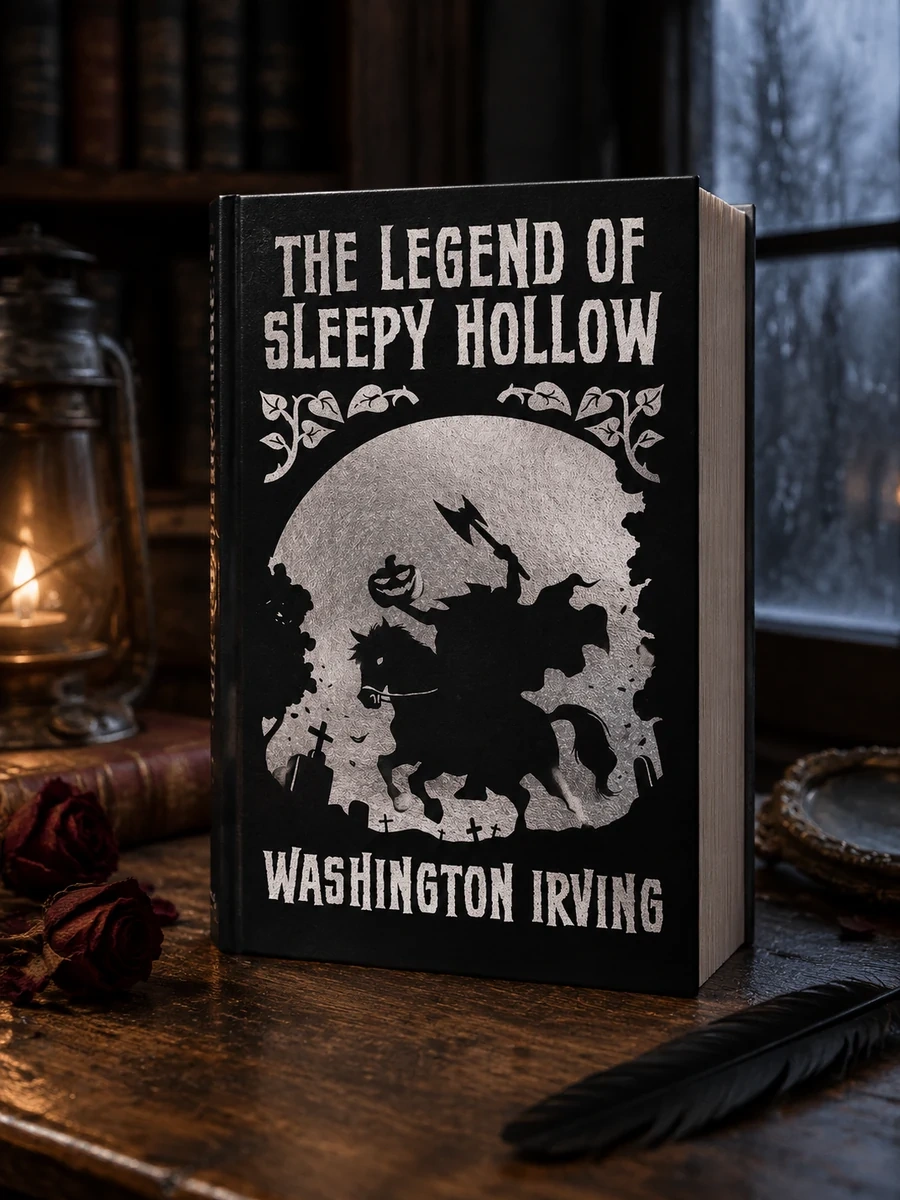
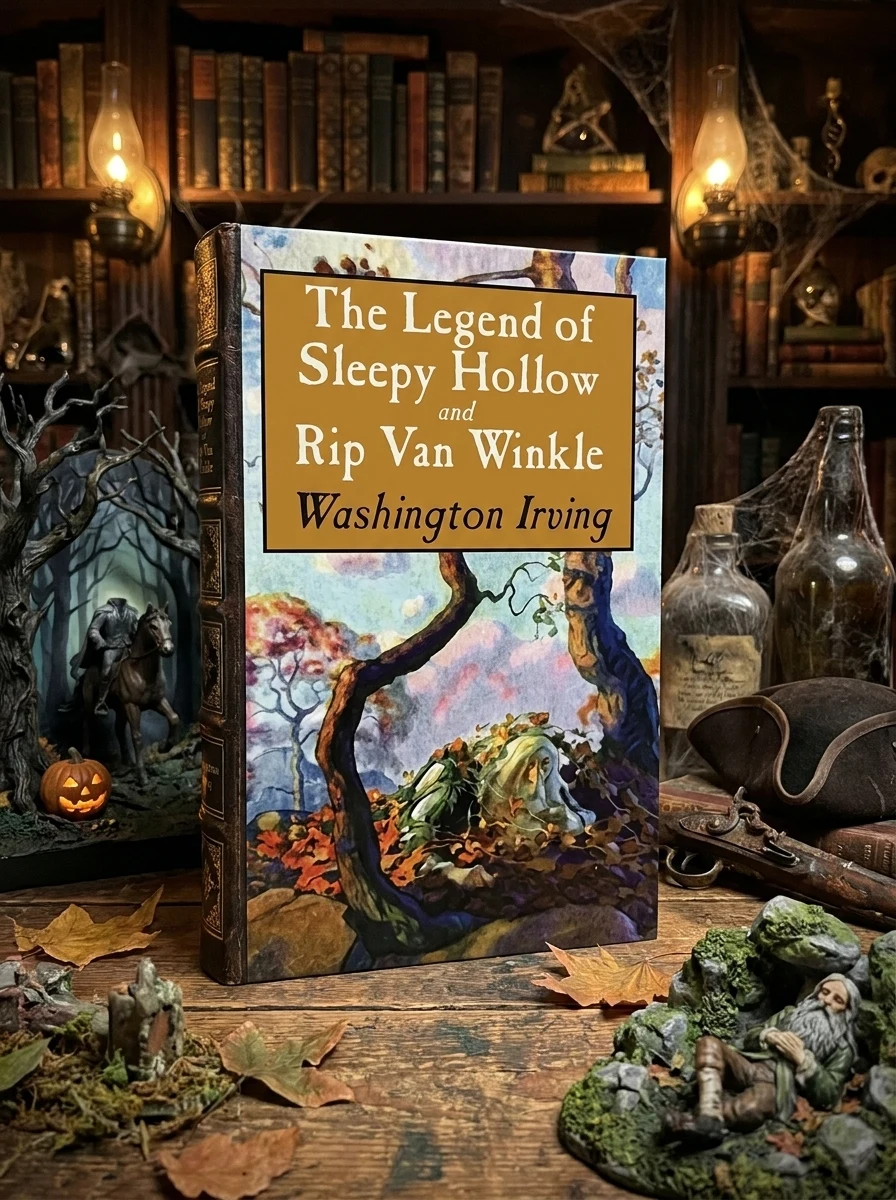
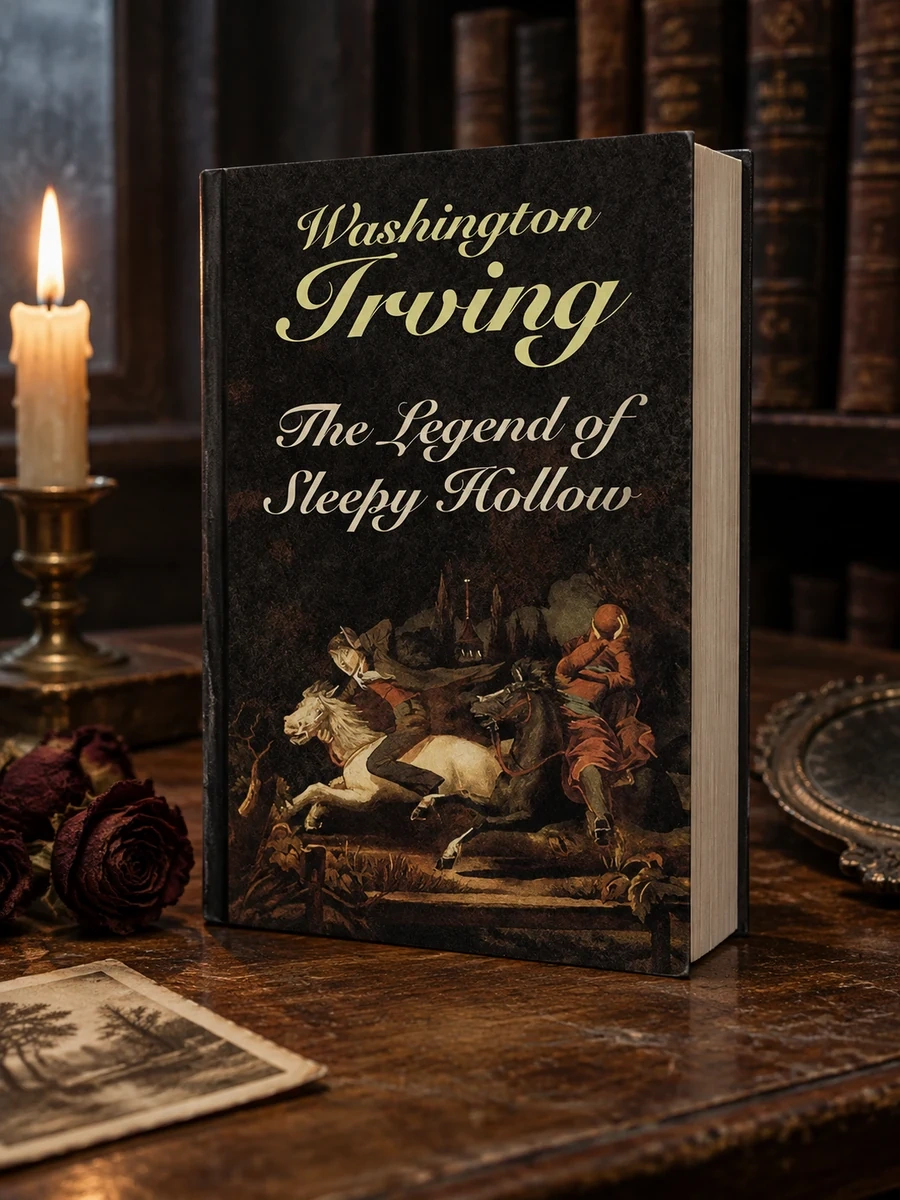
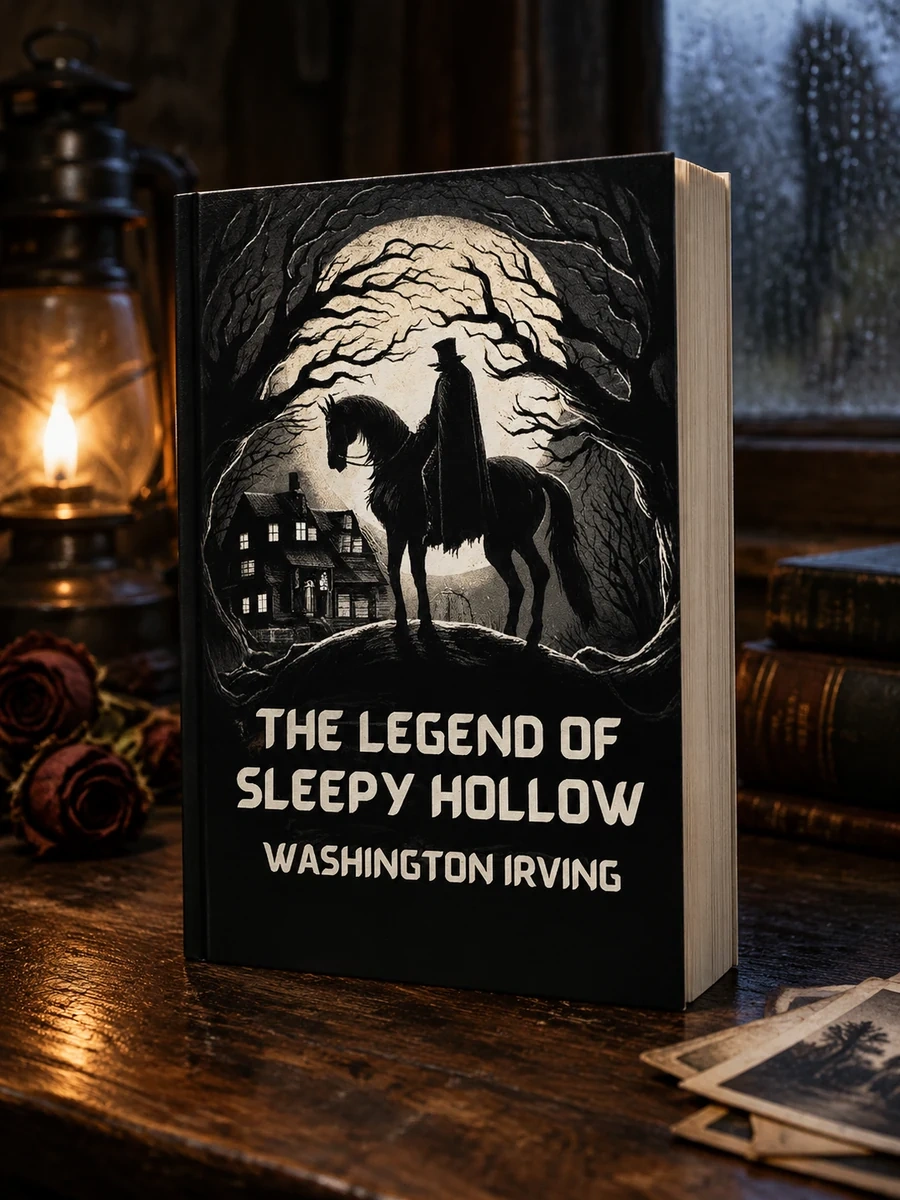
🏛 Books from this publisher Simon & Brown
You might also like
See more →



Have a question about this item?
Ask about the edition, condition, delivery or anything else — we reply by email or phone, usually within a day.
