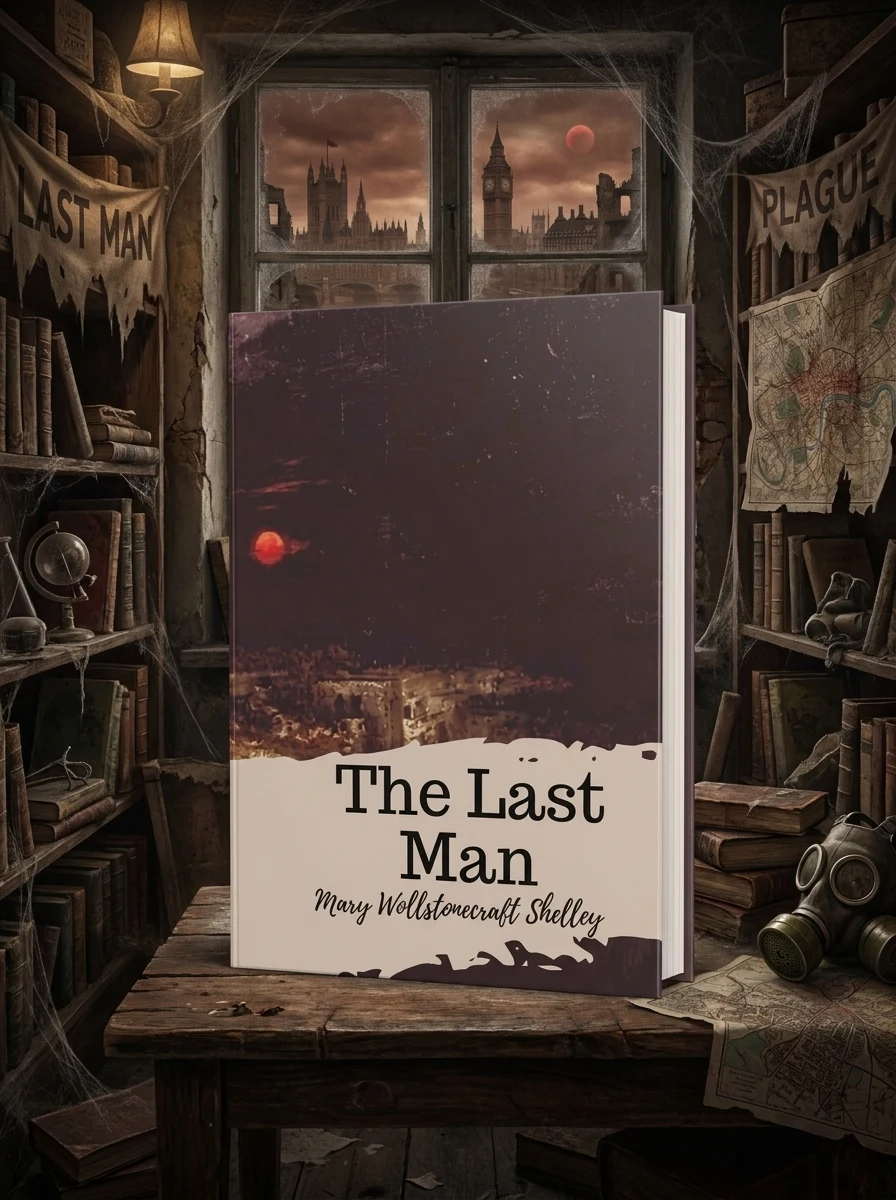
The Last Man
Shelley's 1826 novel depicts a plague destroying the last remnants of civilization.
This edition from Createspace Independent Publishing Platform offers a text published on May twenty second, two thousand eighteen. The ISBN is ninety seven one nine four nine seven three nine eight. Shelley constructs a world where political power shifts alongside biological catastrophe. The narrative does not rely on complex scientific theories but instead focuses on the human response to inevitable doom. Characters move through a landscape defined by loss and isolation. The prose style reflects the early nineteenth century romantic tradition, emphasizing emotion over logic. Readers should expect a slow pacing that mirrors the gradual spread of the disease. The book provides a window into how Victor Frankenstein's creator viewed global collapse.
Shelley wrote this during the romantic period, influencing later gothic and supernatural fiction traditions. Her background in political philosophy informs the depiction of the last king relinquishing his throne. The work bridges early nineteenth century literary styles with speculative future scenarios.


📝 Description: The Last Man
💎 Our verdict on The Last Man
📖 Why choose it
Why this book is worth reading
This book is ideal for readers interested in the evolution of dystopian themes and early speculative fiction who appreciate atmospheric descriptions of societal breakdown. It appeals to those who prefer character-driven narratives grounded in personal experience during a crisis, rather than complex scientific explanations or heroic resistance. Readers seeking a window into how Mary Shelley viewed global collapse through the lens of her Romantic heritage will find value here. The text offers a unique perspective on political power shifting alongside biological catastrophe, focusing on human response to inevitable doom. Those who enjoy gothic and supernatural literature, particularly works that examine the physical and emotional decay of humanity, will gain insight into the author's broader thematic concerns beyond her more famous creations.
⭐ Reader reviews
Reader rating
Shelley constructs a haunting landscape defined by loss and isolation, where political power shifts alongside biological catastrophe. The narrative avoids complex scientific theories, instead emphasizing emotion over logic in the face of inevitable doom. This approach creates a slow, reflective pacing that mirrors the gradual spread of disease. While it lacks modern structural aids like detailed chapter lists, its strength lies in atmospheric descriptions of societal breakdown. The text suits readers who enjoy gothic fiction and psychological horror. It is less suitable for those expecting heroic resistance or detailed historical analysis. Ultimately, this work provides a compelling look at the early roots of dystopian storytelling through a distinctly Romantic lens.
📖 Read on the blog
✍️ More books by this author Mary Wollstonecraft Shelley


🏛 Books from this publisher Createspace Independent Publishing Platform






You might also like
See more →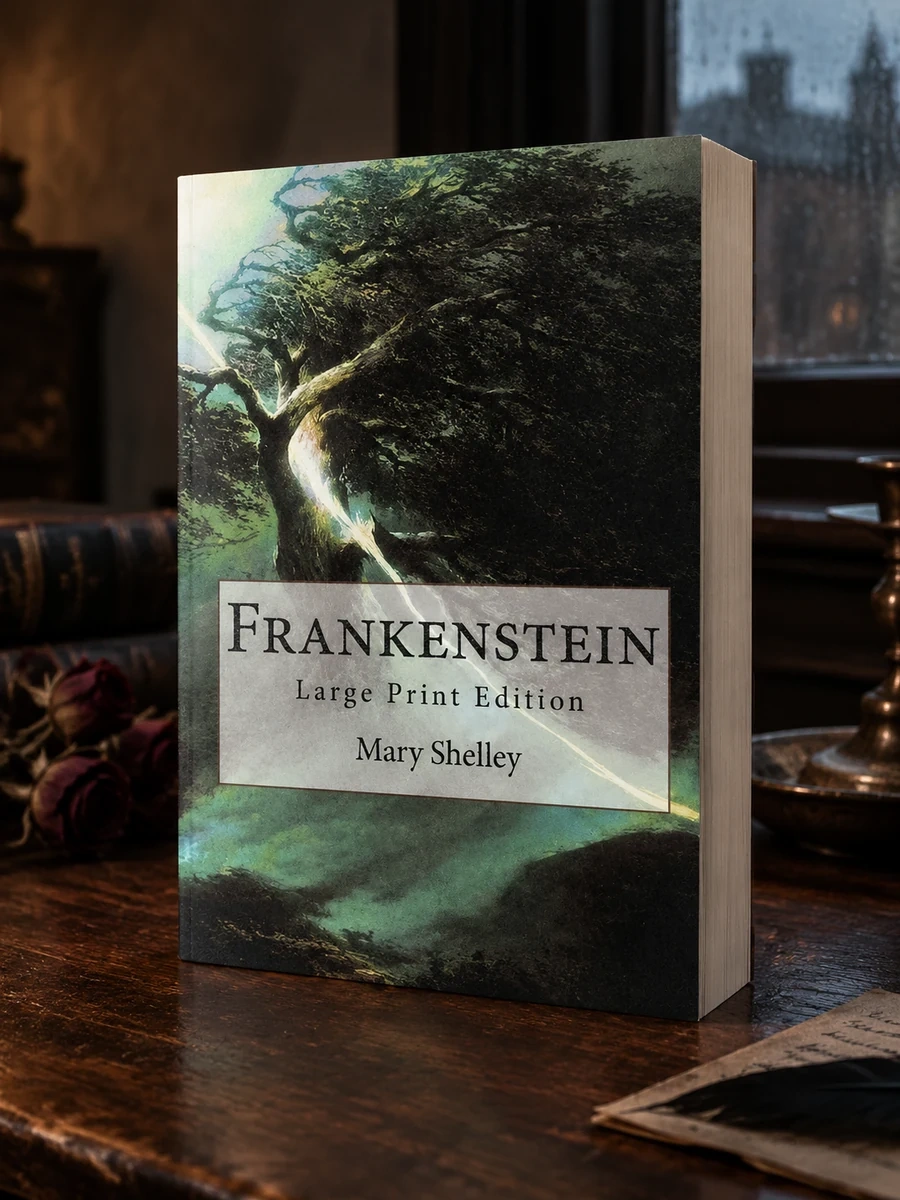


Have a question about this item?
Ask about the edition, condition, delivery or anything else — we reply by email or phone, usually within a day.
