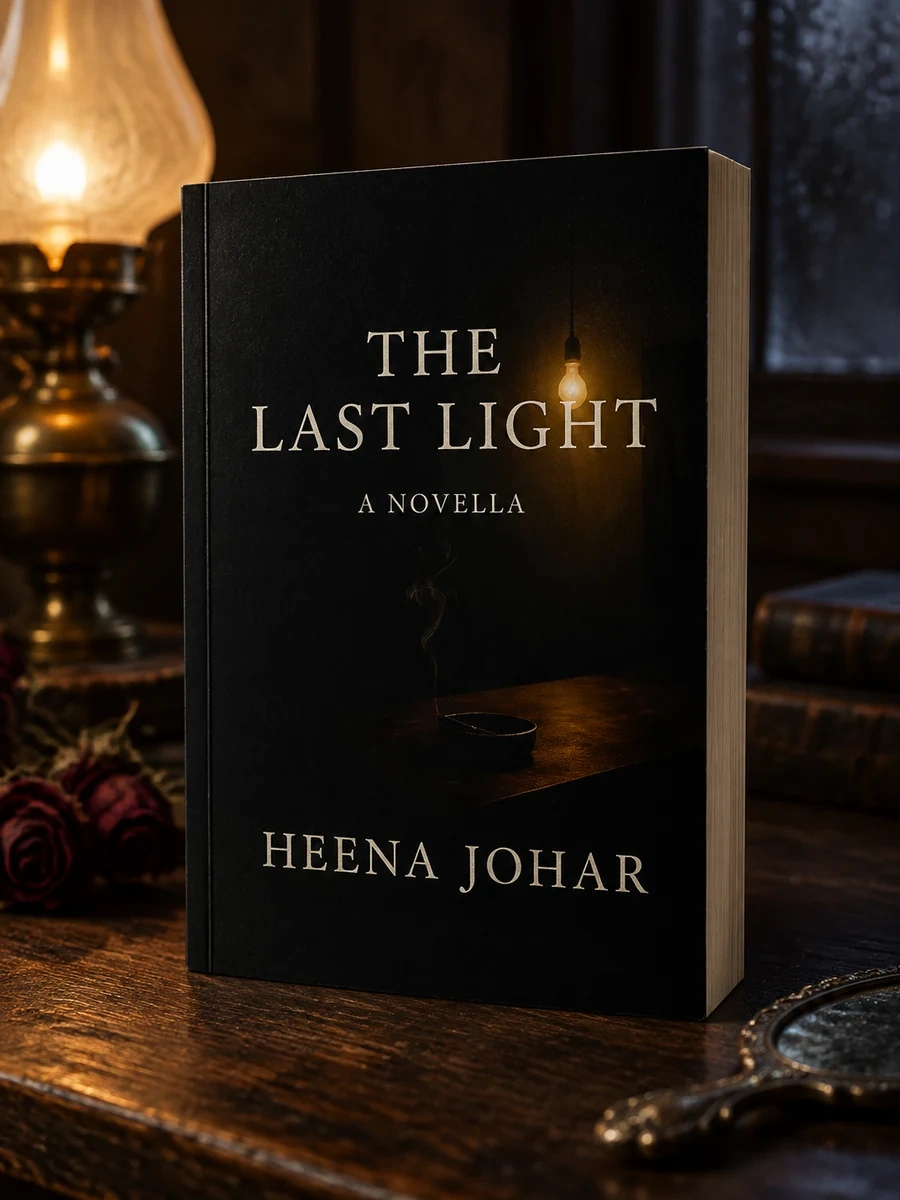
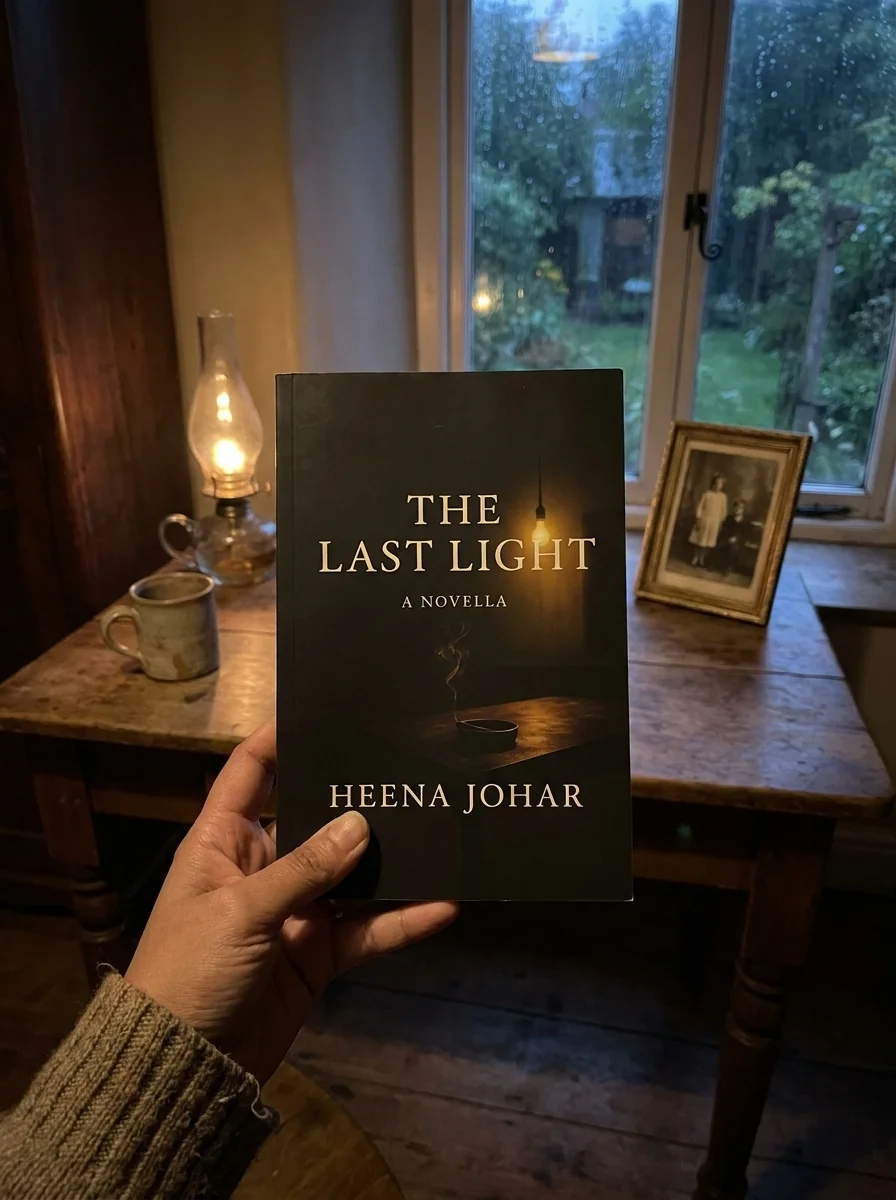
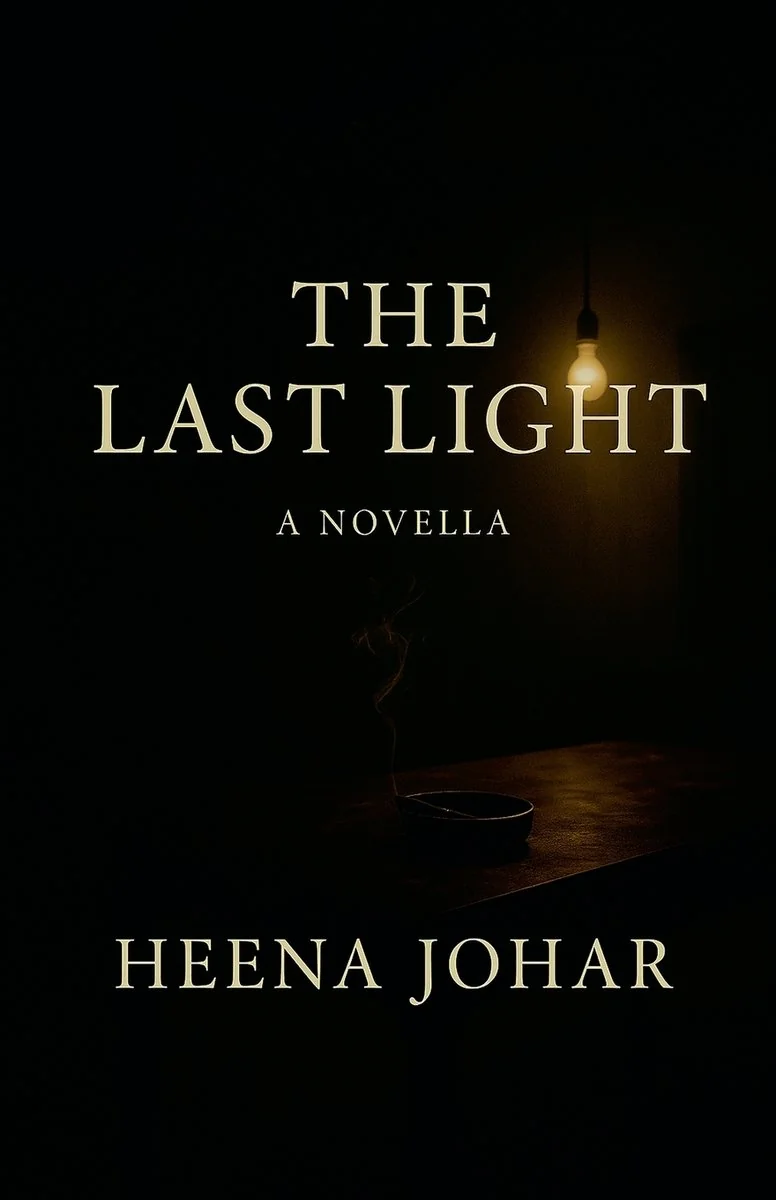
The Last Light
A ghost story about grief, love, and a family home that remembers.
This work explores the intersection of mourning and the supernatural. It does not rely on jump scares or gore. Instead, it uses the Tyagi household as a vessel for exploring how love persists after death. The narrative voice remains calm and observant. It tracks the subtle shifts in family behavior as they interact with Raghav’s lingering energy. Sneha’s interactions serve as the primary conduit for this connection. The story validates the idea that hauntings can be acts of care.
The book draws on universal themes of familial loss and spiritual presence. It situates these elements within a specific household context, focusing on the Tyagi family’s experience. The narrative does not specify a particular cultural tradition but emphasizes the emotional weight of returning to a shared space.


📝 Description: The Last Light
💎 Our verdict on The Last Light
📖 Why choose it
Why this book is worth reading
Readers drawn to ghost stories that focus on grief, love, and the persistence of memory after death will find this book profoundly moving. It is ideal for those who appreciate lyrical narratives and psychological depth over gore or jump scares. The story offers a tender exploration of how families interact with lingering energy, validating the idea that hauntings can be gentle acts of care. Those interested in family dynamics within supernatural settings will appreciate its calm, observant voice and its focus on unspoken spaces left by loss.
⭐ Reader reviews
Reader rating
Heena Johar’s The Last Light succeeds in crafting a haunting narrative that feels more like a meditation on love than a tale of fear. By using the Tyagi household as a vessel for exploring mourning, the text creates an atmosphere of quiet intimacy. Sneha’s interactions with Raghav’s lingering energy blur the line between memory and presence, offering a fresh perspective on domestic hauntings. The lyrical approach to memory makes this suitable for readers seeking emotional depth in horror. It avoids traditional scares, focusing instead on sensory details that evoke the past. This gentle, observant style ensures it resonates with those valuing character-driven supernatural fiction.
You might also like
See more →






Have a question about this item?
Ask about the edition, condition, delivery or anything else — we reply by email or phone, usually within a day.
