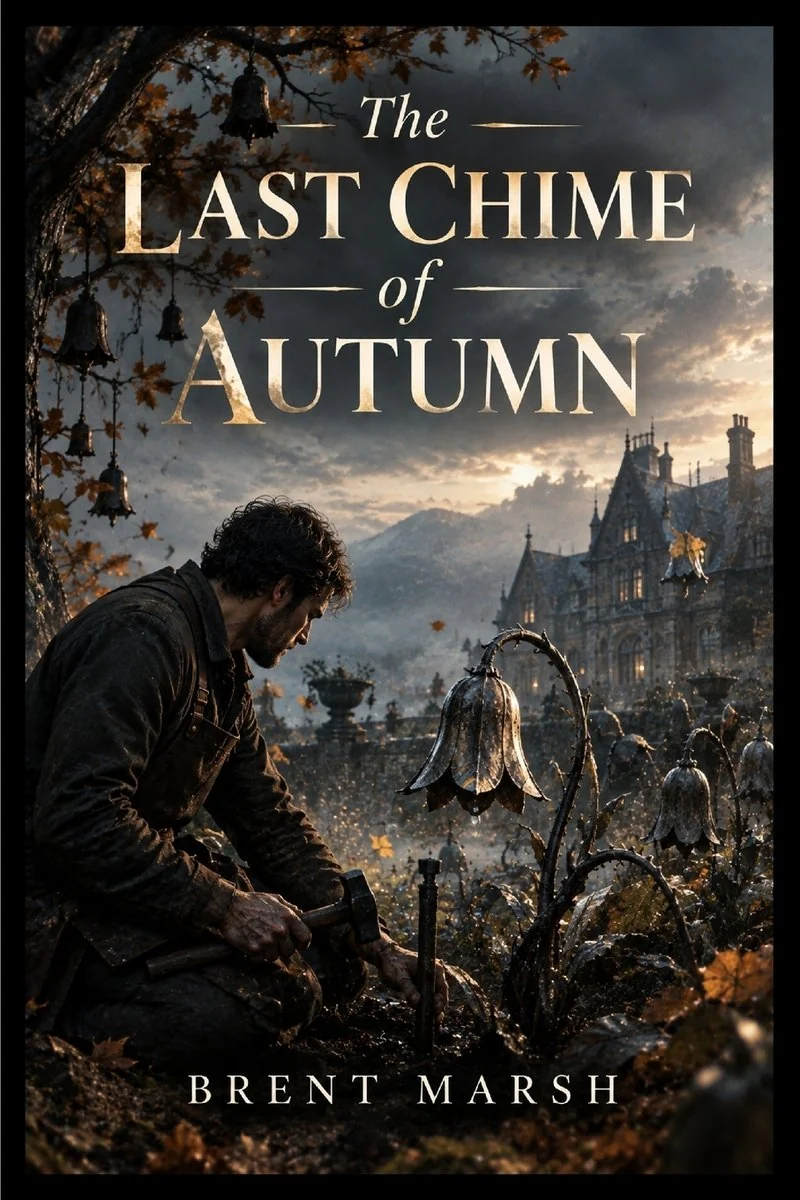
The Last Chime of Autumn
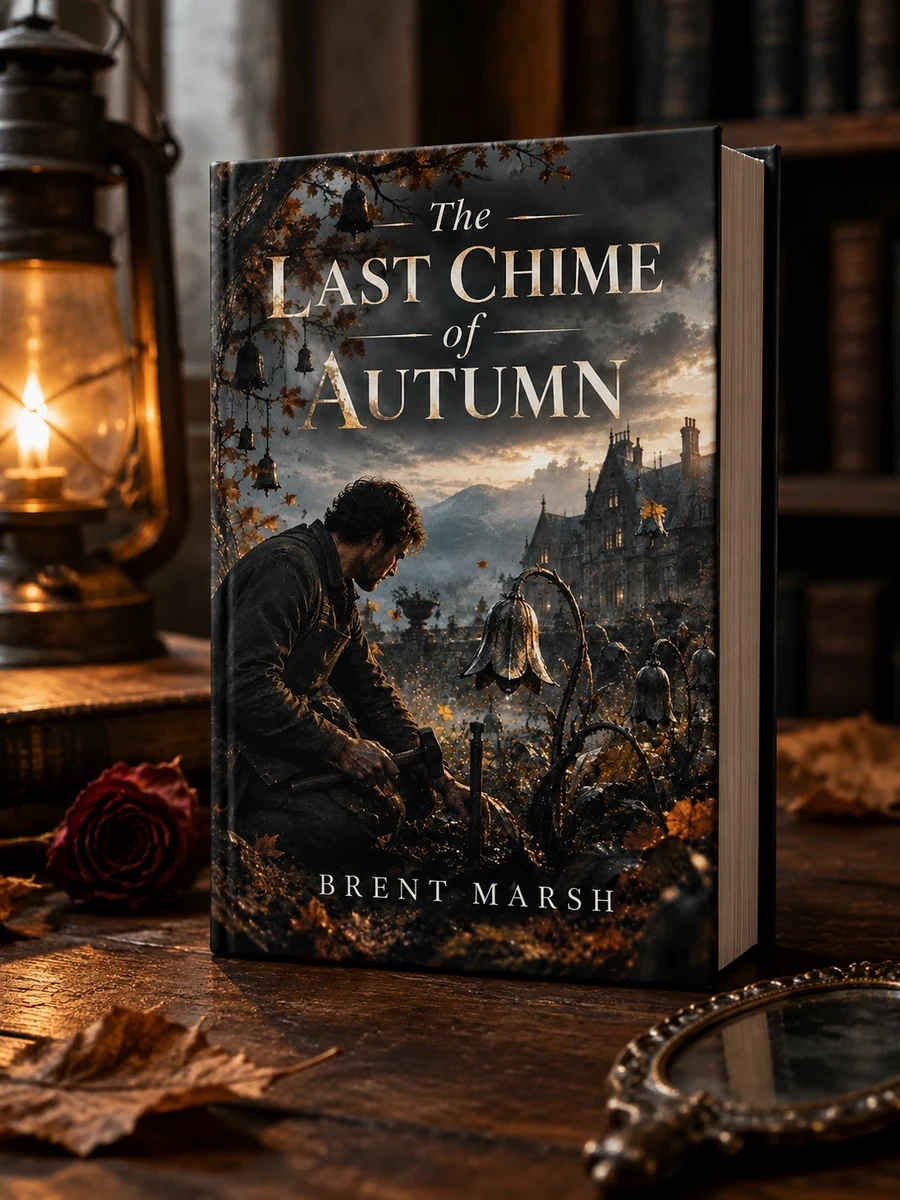
A man confronts ancestral ghosts in a garden of metallic blooms to save his identity.
This title examines the burden of family history through a lens of supernatural horror. Marsh uses the concept of metallic flowers that speak with dead voices to explore how the past can consume the present. The narrative does not offer easy answers but rather presents a stark dilemma. The protagonist must weigh the cost of memory against the loss of self. This approach appeals to readers who enjoy slow-burn psychological tension and atmospheric world-building. It is less suitable for those who prefer clear moral boundaries or rapid plot progression.
The book sits within the American horror tradition, published in 2026 by Brent Marsh. It engages with gothic fiction tropes of returning to a family home and confronting spectral legacies. The ISBN 9798182769662 identifies this specific edition for collectors and readers seeking contemporary supernatural narratives.


📝 Description: The Last Chime of Autumn
💎 Our verdict on The Last Chime of Autumn
📖 Why choose it
Why this book is worth reading
Readers who appreciate slow-burn psychological tension and atmospheric world-building will find this title particularly suitable. It appeals to those interested in the burden of family history and the erosion of self through memory. The narrative offers a stark dilemma regarding identity and inheritance, avoiding easy answers or clear moral boundaries. Those seeking quiet dread over sensationalism will engage with the unique visual contrast of metallic blooms speaking with dead voices. It is ideal for fans of dark fantasy who prefer depth over rapid plot progression, offering a contemplative experience that weighs the cost of memory against the loss of self.
⭐ Reader reviews
Reader rating
Marsh delivers a distinct contribution to horror fiction by grounding supernatural elements in tangible, cold imagery rather than typical organic decay. The garden of metallic blooms serves as a powerful metaphor for ancestral haunting, creating an environment where the past actively consumes the present. The narrative excels in building quiet dread through description, focusing on the protagonist's internal struggle with identity and legacy. While the pacing may feel too slow for those accustomed to fast-paced action or traditional jump scares, it offers a rich, atmospheric experience for patient readers. The work successfully explores complex themes of inheritance and memory without resorting to sensationalism, making it a compelling choice for enthusiasts of psychological horror and dark fantasy.