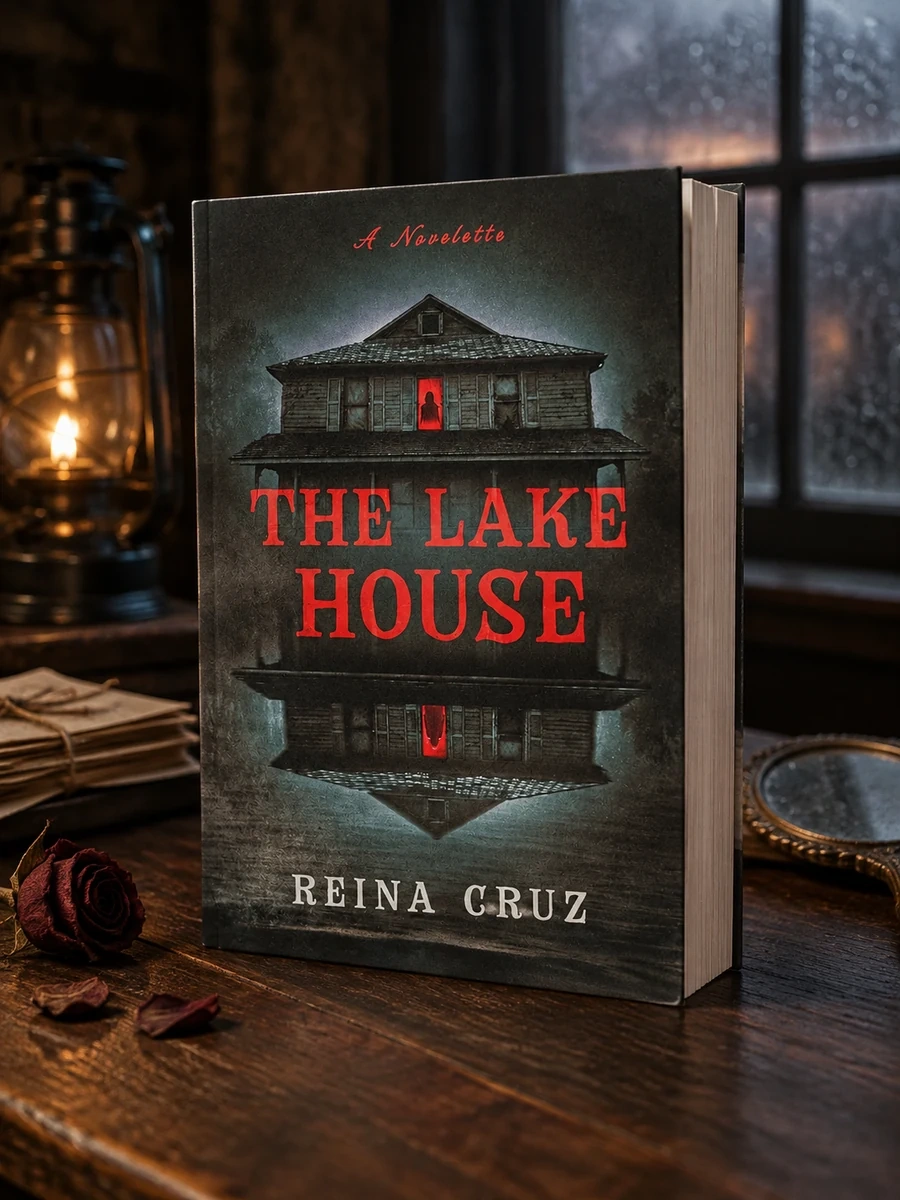
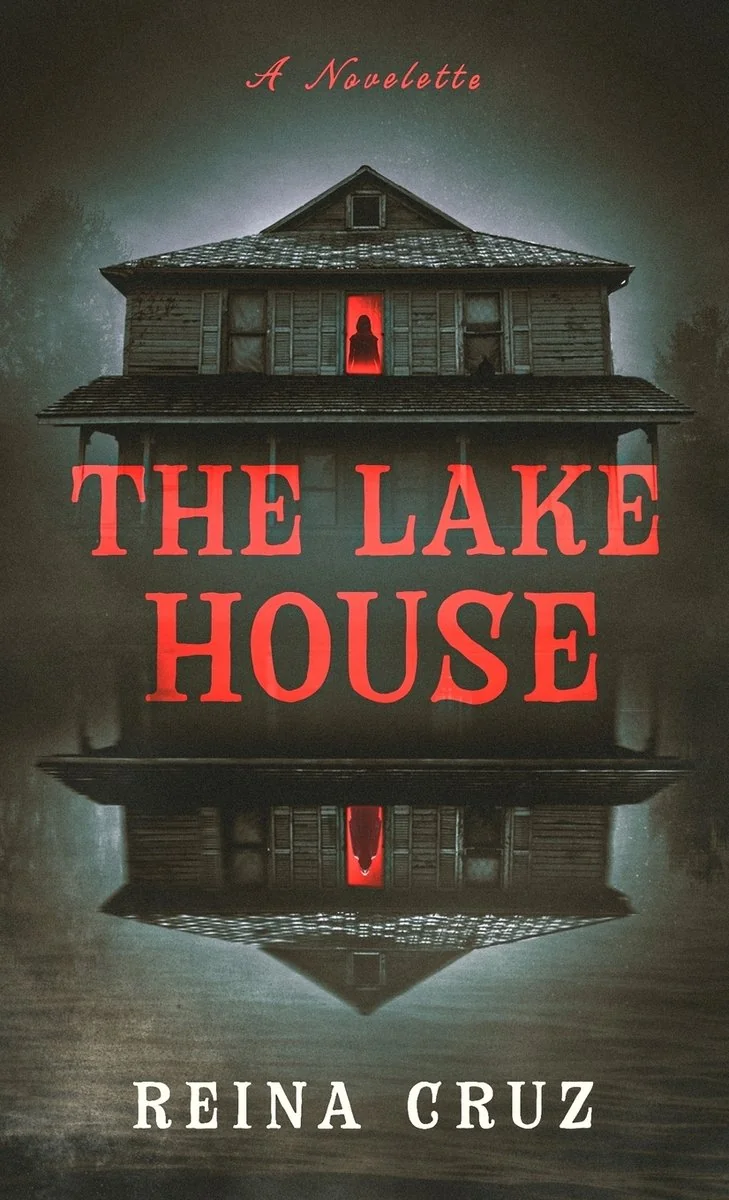
The Lake House
A family retreats to their childhood lake house, only to find it haunted by fractured memories.
The Santos siblings return to their childhood lake house after a tragic accident. They hope the familiar setting will help Aleksa recover from her trauma. Instead, they encounter a place that feels fundamentally wrong. The attic creates unease, and the water triggers physical discomfort. Their shared memories develop cracks, revealing spaces where something waits. The lake itself seems aware of their presence and desires to keep them there. Cruz weaves a tale where the boundary between past and present blurs. The siblings uncover a hidden history that refuses to remain buried. A force prevents their escape, binding them to the location through psychological pressure rather than physical chains. The narrative focuses on the deterioration of their sanity as they confront what the water remembers.
The Lake House sits within the tradition of American gothic fiction and psychological horror. It draws on the legacy of haunted house narratives where the setting acts as an antagonist. The work aligns with contemporary supernatural fiction that emphasizes atmospheric dread over explicit violence.


📝 Description: The Lake House
💎 Our verdict on The Lake House
📖 Why choose it
Why this book is worth reading
Readers who appreciate atmospheric dread and complex family dynamics will find significant resonance in this narrative. The book offers a compelling examination of how trauma distorts memory and how places retain emotional residue. It is ideal for those seeking slow-burn horror that prioritizes internal dread over explicit gore. Fans of psychological tension and the uncanny will enjoy watching the boundary between past and present blur. Those interested in literary fiction exploring grief may find the ambiguous ending unsettling but rewarding. The story appeals to individuals who value sensory details and the deterioration of sanity as central themes. It is not suited for those seeking fast-paced action or clear resolutions, but rather for readers comfortable with psychological pressure and familial grief.
⭐ Reader reviews
Reader rating
Cruz effectively blends gothic tradition with supernatural fiction to create a chilling atmosphere reminiscent of classic haunted house tales. The narrative excels in building terror through sensory details and psychological tension rather than relying on explicit gore. The depiction of fractured memories and the lake's awareness provides a unique antagonist within the environment. This approach suits fans of slow-burn horror who enjoy complex family dynamics and literary depth. The ambiguous ending may unsettle readers seeking clear resolutions, but it reinforces the theme of inescapable psychological pressure. Cruz establishes herself as a voice focusing on internal dread and the uncanny. The work is particularly strong for those interested in how trauma distorts perception. It stands as a resonant entry for enthusiasts of atmospheric horror and literary fiction exploring grief.
You might also like
See more →





Have a question about this item?
Ask about the edition, condition, delivery or anything else — we reply by email or phone, usually within a day.
