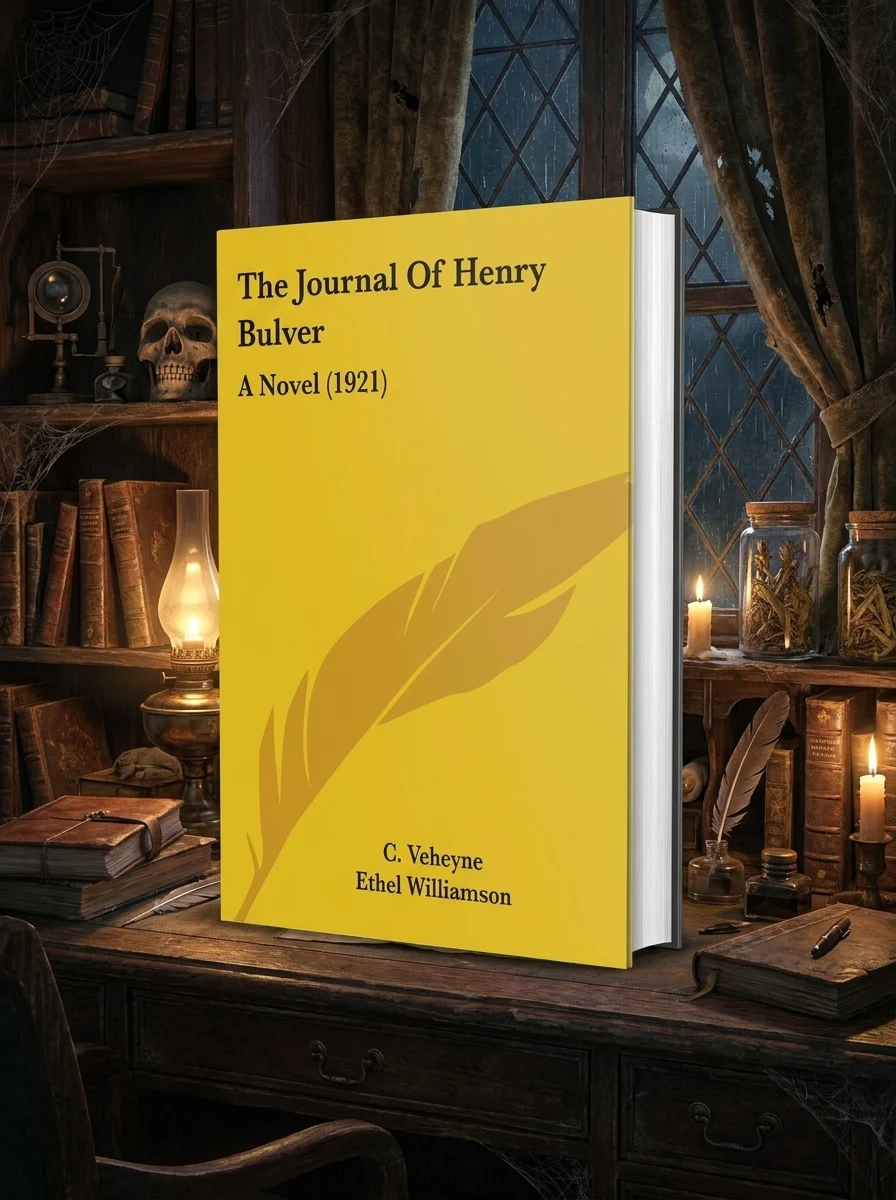
The Journal Of Henry Bulver: A Novel (1921)
A 1921 novel exploring psychological terror through gothic tradition.
Veheyne constructs a narrative that emphasizes the weight of history on the present moment. The story operates within the intersection of historical fiction and horror, drawing on early twentieth-century literary traditions. It focuses on human frailty viewed through supernatural unease. The pacing remains melancholy, allowing dread to build slowly over time. This structure creates a sense of lingering presence rather than immediate threat. The text prioritizes mood and suggestion to engage the reader’s imagination. It connects with the stylistic elements of 1920s horror fiction. The work offers a resonant experience for those interested in psychological terror rooted in tradition. It avoids modern sensationalism in favor of atmospheric depth.
This novel originates from 1921, placing it firmly within the early twentieth-century literary period. It reflects the stylistic nuances of 1920s horror fiction. The work sits at the intersection of historical fiction and horror, drawing on the gothic tradition of exploring the darker corners of the imagination through atmospheric depth.


📝 Description: The Journal Of Henry Bulver: A Novel (1921)
💎 Our verdict on The Journal Of Henry Bulver: A Novel (1921)
📖 Why choose it
Why this book is worth reading
Readers who appreciate the slow-burn dread of classic ghost stories will find significant value in this text. It offers a resonant experience for those interested in psychological terror rooted in tradition, avoiding modern sensationalism in favor of atmospheric depth. The narrative invites immersion into a world where the past lingers heavily, relying on mood and suggestion to engage the imagination. This approach appeals to individuals seeking comfort in the familiar structures of early horror literature. It is ideal for patient readers who enjoy melancholic pacing and subtle, lingering unease rather than immediate shocks or fast-paced action.
⭐ Reader reviews
Reader rating
The novel excels in constructing a narrative that emphasizes the weight of history on the present moment through a lens of supernatural unease. By prioritizing mood over plot mechanics, it creates a sense of lingering presence that defines the gothic tradition. The text captures the stylistic nuances of 1920s horror fiction, offering a melancholy pacing that allows dread to build slowly. This structure is particularly effective for readers who value atmospheric depth and psychological complexity. It stands as a compelling bridge between historical narrative and supernatural themes, satisfying those who appreciate vintage ghost stories. However, it may disappoint audiences seeking contemporary thriller elements or immediate gratification.
📖 Read on the blog
🏛 Books from this publisher Kessinger Publishing


You might also like
See more →


Have a question about this item?
Ask about the edition, condition, delivery or anything else — we reply by email or phone, usually within a day.
