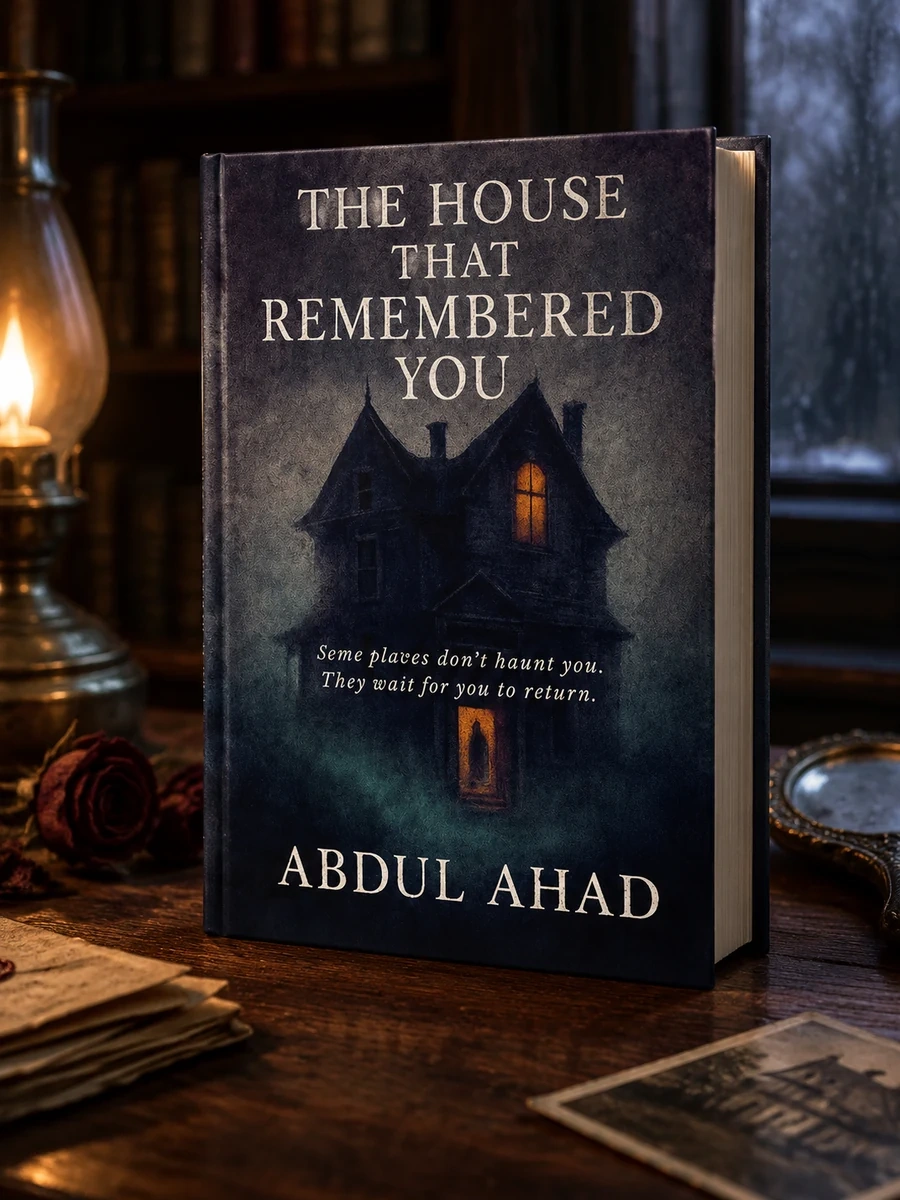
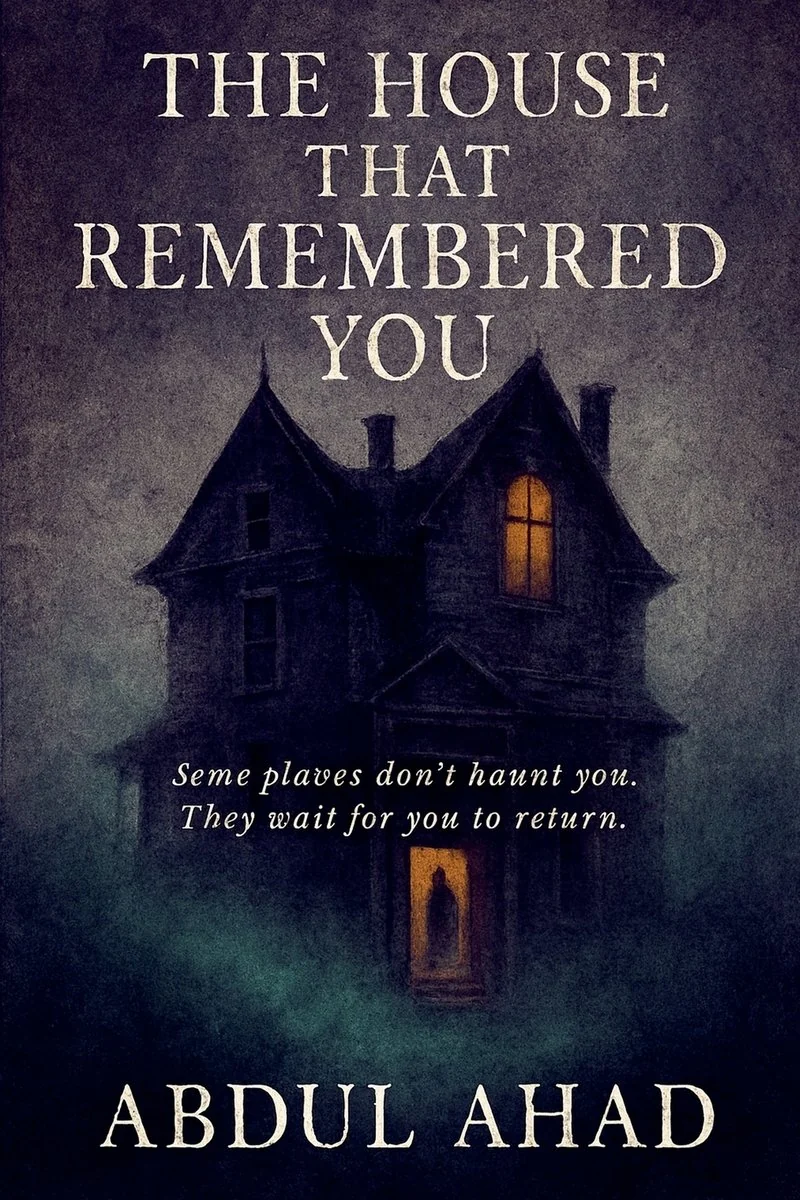
The House That Remembered You: Some places don't haunt you. They wait for you to return.
A slow-burn horror novel about psychological dread and the power of place.
This gothic-style novel centers on the unease tied to memory and location. Ahad creates a world where places have awareness. The story builds tension through small hints rather than sudden events. This method gives those who return to old spots a sense of inescapable destiny. The book appeals to readers who like literary fiction mixed with horror. It uses psychological fear instead of physical shock. Fear builds slowly, focusing on mental engagement over quick reactions. This slow approach works well for those who enjoy a measured reading pace.
Abdul Ahad’s work sits within the tradition of gothic literature and literary fiction. It bridges the gap between supernatural horror and thoughtful engagement with fear. The paperback format supports a narrative that unfolds with deliberate pace, allowing tension to accumulate through subtle cues rather than abrupt jumps.


📝 Description: The House That Remembered You: Some places don't haunt you. They wait for you to return.
💎 Our verdict on The House That Remembered You: Some places don't haunt you. They wait for you to return.
📖 Why choose it
Why this book is worth reading
Readers who appreciate the slow burn of psychological horror will find this book deeply rewarding. It offers a unique exploration of how locations retain memory and exert influence over those who return. Unlike traditional tales relying on jump scares, it builds tension through subtle hints and the heavy burden of destiny. Those seeking literary depth mixed with creeping terror will engage with its themes of inescapable fate. The narrative rewards patience, transforming the setting into a character that waits for its subject. It is ideal for those who prefer mental engagement over physical shock, providing a disturbing yet intelligent experience that lingers long after the final page.
⭐ Reader reviews
Reader rating
Ahad crafts a compelling portrait of place as a conscious entity in this slow-burn novel. The text excels at generating dread through mood rather than gore, appealing to fans of literary horror who value atmosphere over action. By focusing on the psychological weight of returning home, the narrative creates a sense of inevitable destiny that feels both personal and universal. While the lack of quick scares may frustrate those seeking immediate thrills, the careful buildup ensures a profound impact. It suits readers willing to invest time in understanding fear through reflection. The book stands as a smart, disturbing meditation on memory and location for the discerning horror enthusiast.
You might also like
See more →



Have a question about this item?
Ask about the edition, condition, delivery or anything else — we reply by email or phone, usually within a day.
