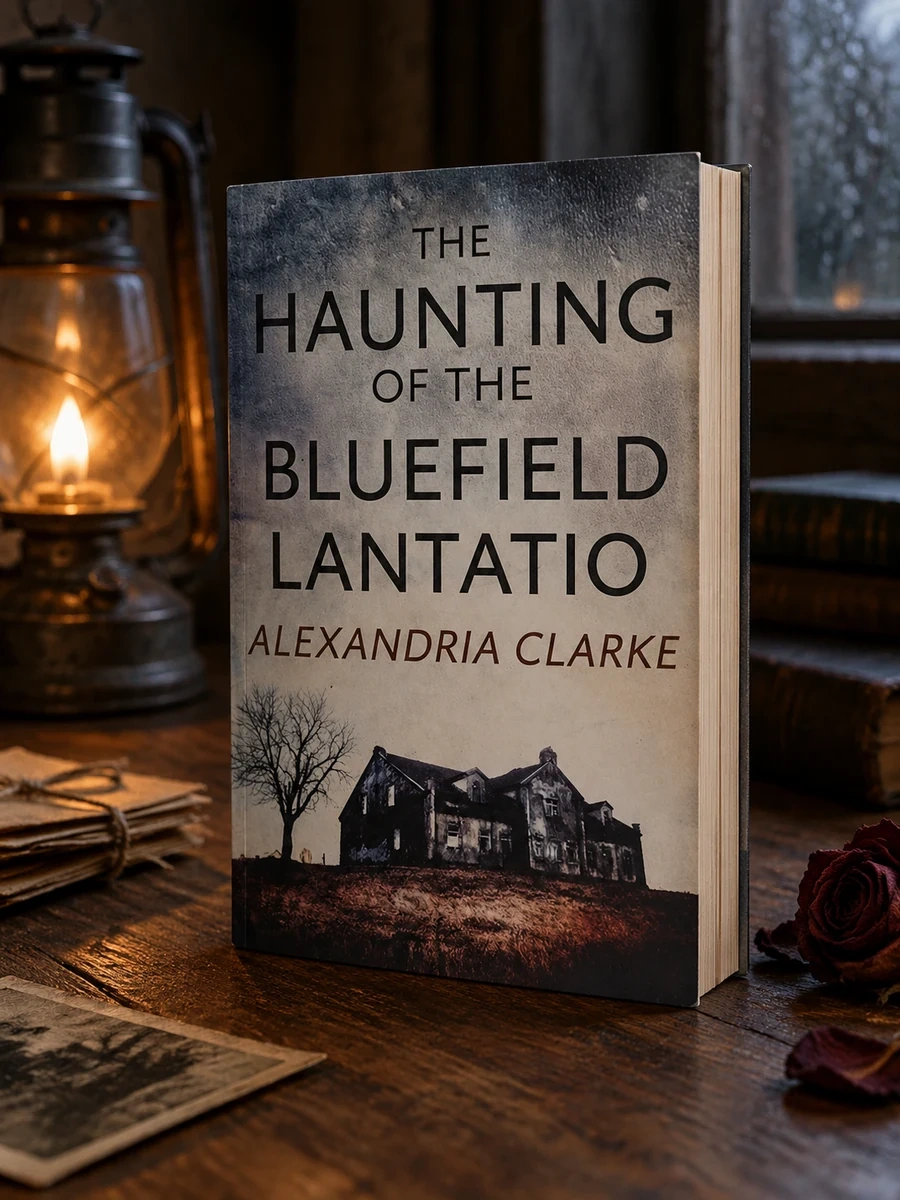

The Haunting of Bluefield Plantation
A sister uncovers dark secrets in her inherited crumbling plantation home.
Louella Ward inherits a decaying estate from her late grandfather alongside her brother. The property, Bluefield Plantation, holds secrets that refuse to stay buried. Lou experiences recurring nightmares and sees figures that others ignore. Her brother wants to sell the land quickly, ignoring the strange occurrences. Lou investigates the history of the place, finding that the dead are still present. The narrative focuses on her emotional journey as she confronts these entities. Clarke writes about the weight of family legacy and the persistence of trauma. The story does not provide immediate comfort or clear explanations for the haunting. Instead, it builds atmosphere through Lou’s growing awareness of her surroundings. The brother’s indifference contrasts sharply with Lou’s determination to understand what is happening at Bluefield.
The text reflects American gothic fiction traditions, specifically focusing on the legacy of plantation homes in the United States. It engages with themes of inherited wealth and the physical remnants of historical estates, using the setting to explore personal and familial dread rather than broad historical commentary.


📝 Description: The Haunting of Bluefield Plantation
💎 Our verdict on The Haunting of Bluefield Plantation
📖 Why choose it
Why this book is worth reading
Readers seeking atmospheric depth over adrenaline will find value in this slow-burn narrative. It appeals to those interested in the weight of inheritance and the psychological toll of uncovering hidden family histories. The book suits audiences who prefer internal struggle and eerie ambiguity rather than clear resolutions or fast-paced action. It offers a study in tension between indifference and determination, making it ideal for fans of gothic traditions where the house itself holds secrets that refuse to stay buried.
⭐ Reader reviews
Reader rating
Clarke effectively constructs an atmosphere of lingering dread through Louella’s gradual awareness of her surroundings. The narrative excels in portraying the persistence of trauma via the decaying estate, contrasting Lou’s emotional journey with her brother’s pragmatic indifference. This structural choice highlights the thin boundary between the living and the dead without resorting to complex academic framing or immediate comfort. While it lacks clear explanations for the haunting, this ambiguity serves the psychological undertones well. The book is best suited for readers who enjoy gothic fiction where the horror stems from emotional weight and family legacy rather than explicit supernatural action or fast-paced plotting.
📖 Read on the blog
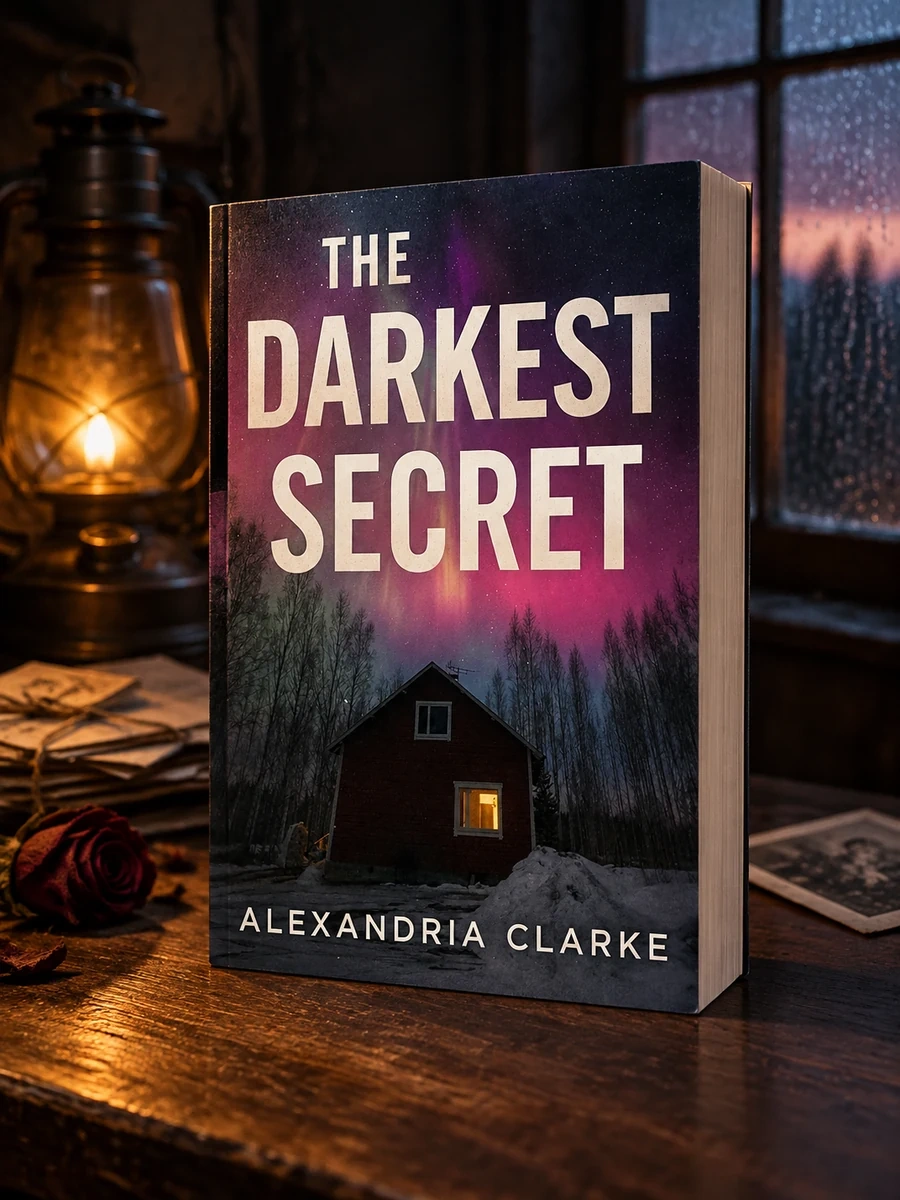
✍️ More books by this author Alexandria Clarke


🏛 Books from this publisher Independently Published






You might also like
See more →
Have a question about this item?
Ask about the edition, condition, delivery or anything else — we reply by email or phone, usually within a day.
