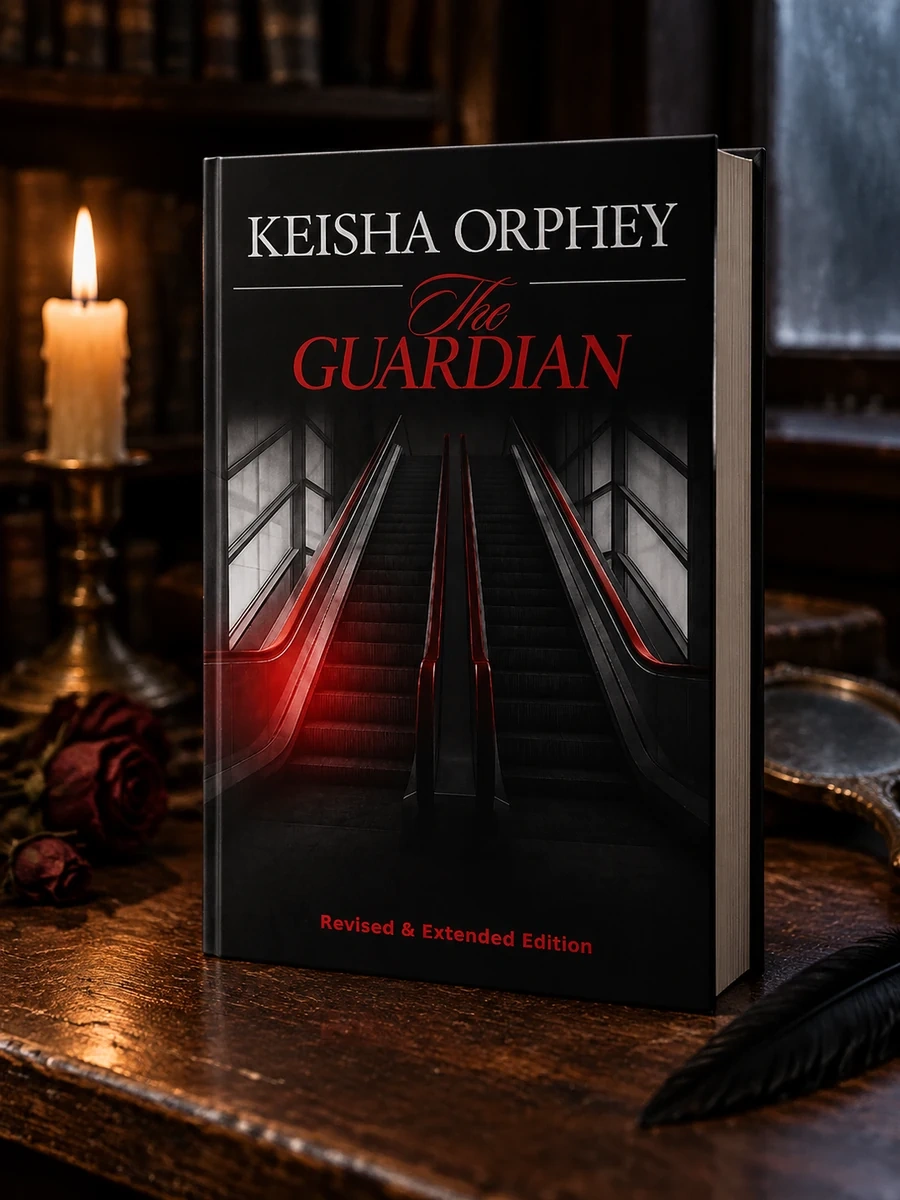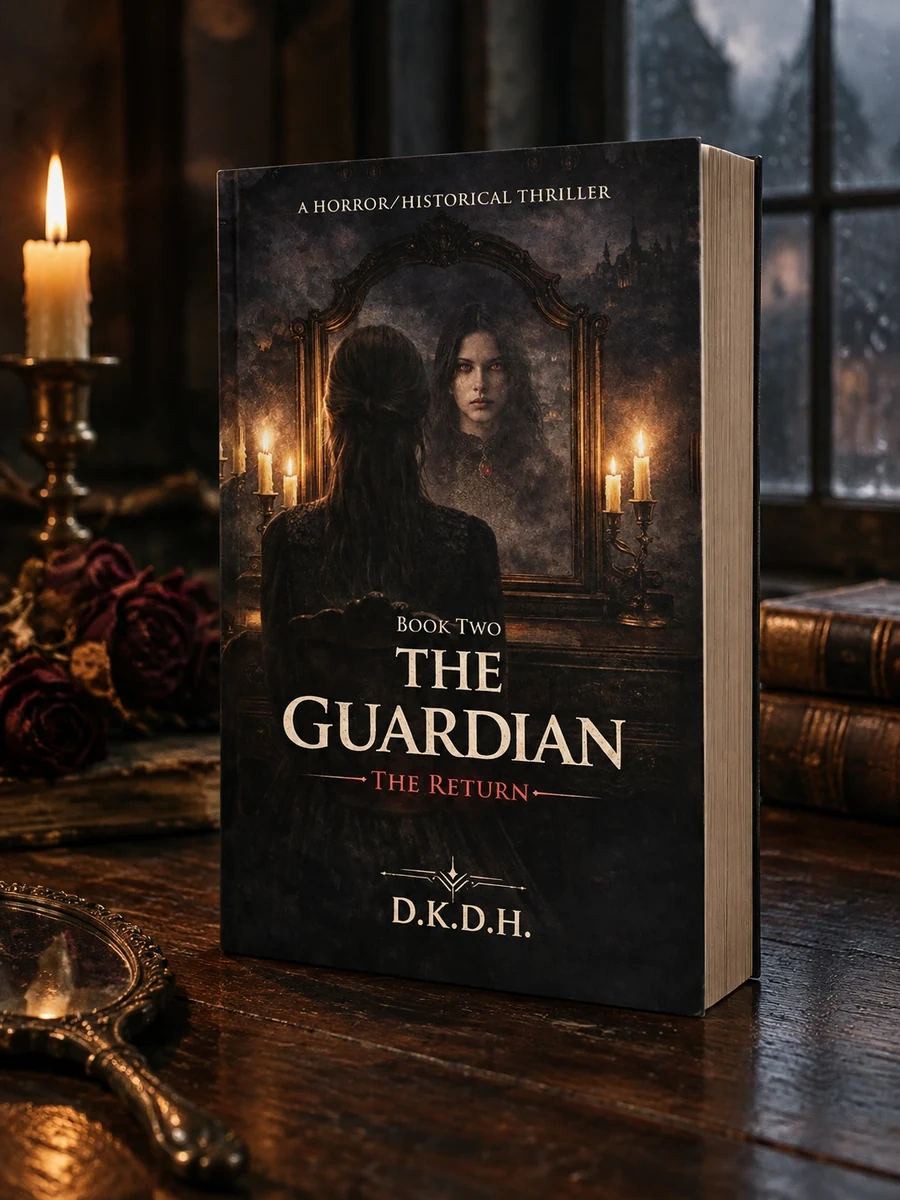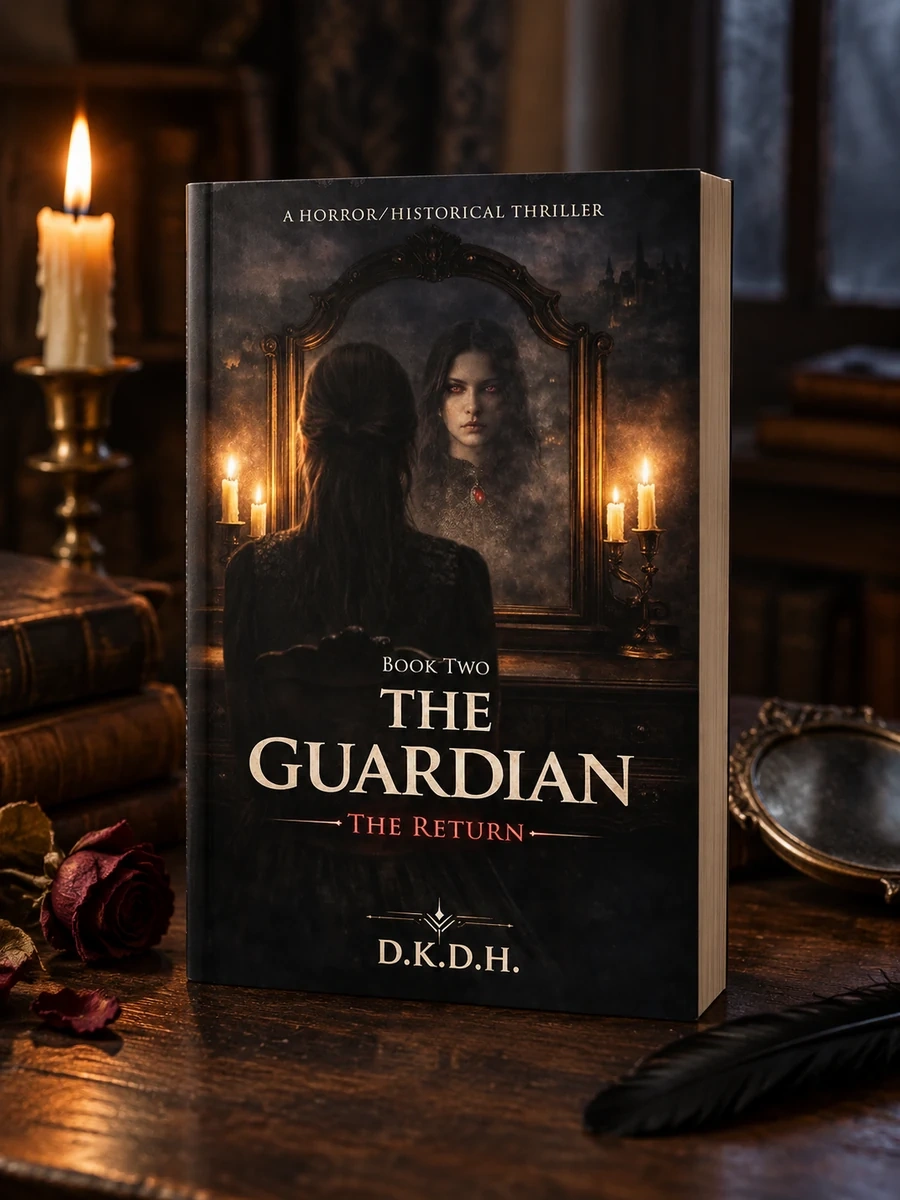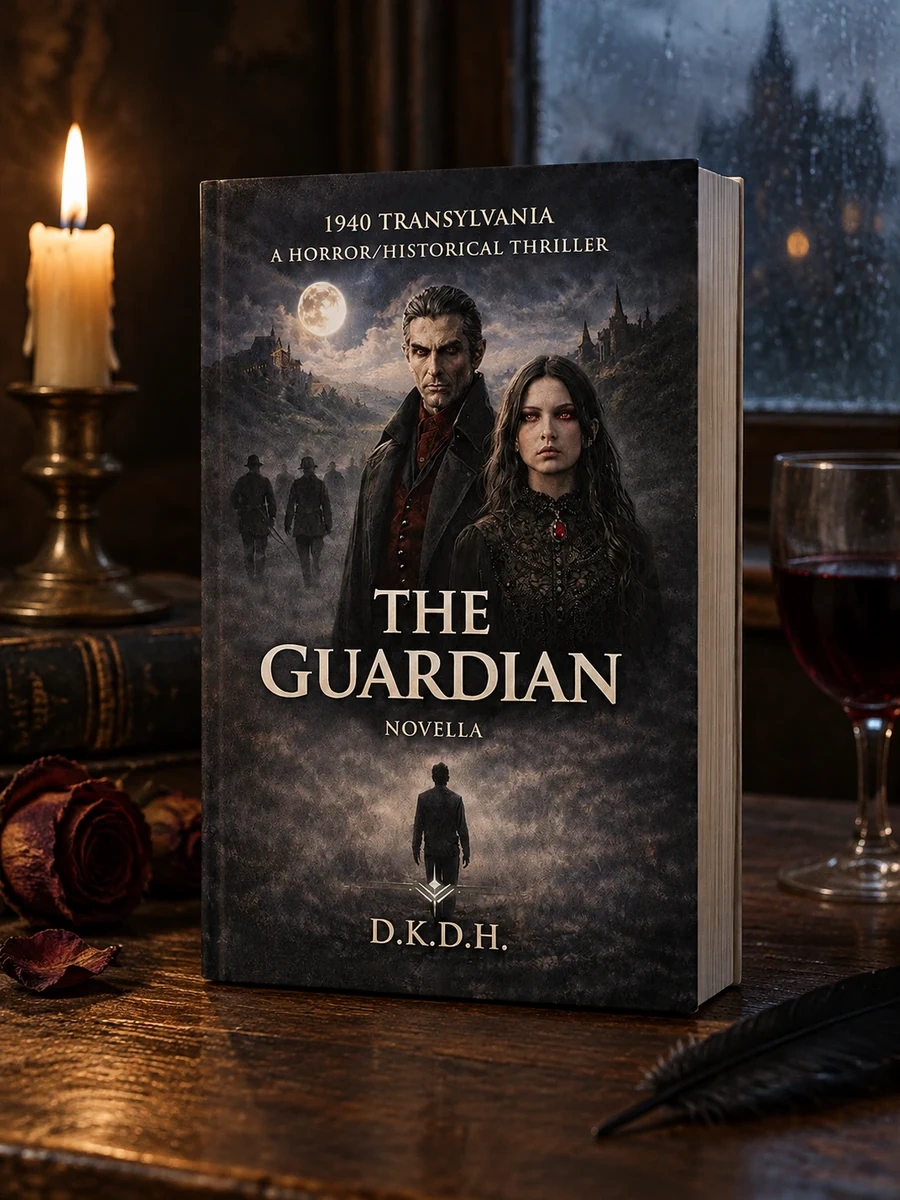
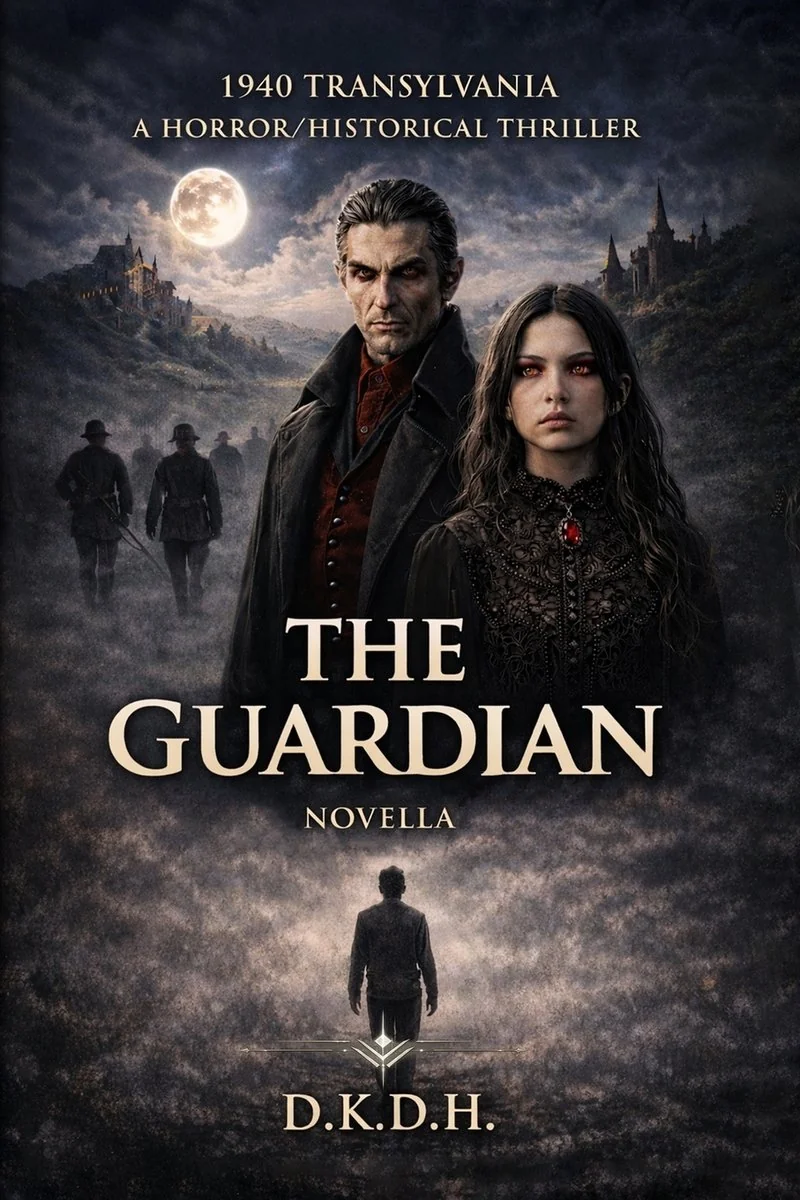
The Guardian
A vampire trapped in a child's body fights for freedom after a 1940 massacre.
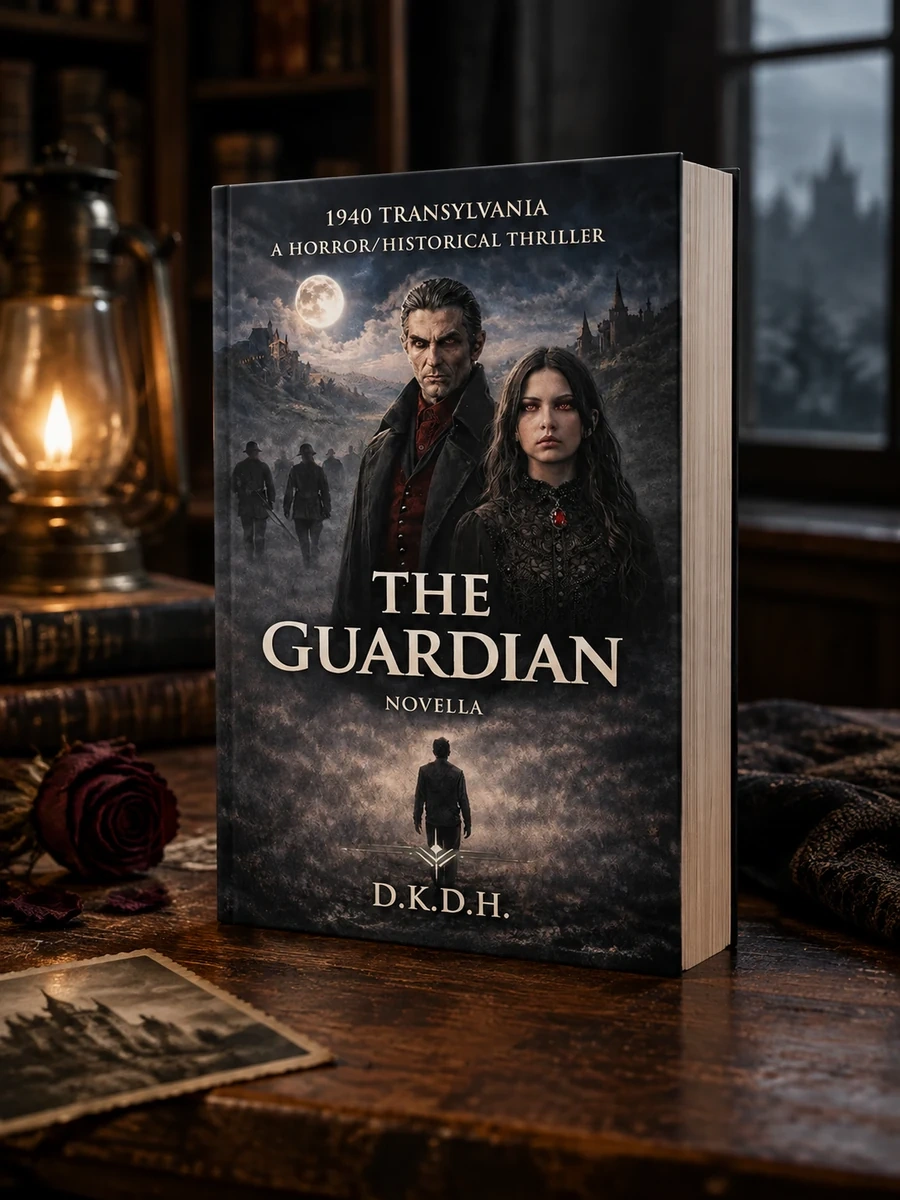
Naya’s existence spans three hundred years of forced stillness. She was twelve when her aging ceased, leaving her to navigate centuries as an immortal predator in a youthful frame. Her creator, Edward, saved her from starvation, binding her to a role of protective obedience. She guards a Transylvanian village by feeding on the dying elderly provided as tribute. The status quo shatters in 1940 when Hungarian troops invade. Naya watches helplessly from her coffin as they slaughter the inhabitants. Awakening to this devastation, she joins Edward in a retaliatory bloodshed. This violence reveals that killing her maker could break her curse. The plot focuses on her internal struggle between her monstrous nature and her desire for human womanhood. It is a tale of reclaiming agency through extreme measures.
The story is set in a remote Transylvanian village during the 1940 Hungarian military occupation. It draws on vampire mythology and gothic traditions, exploring the intersection of supernatural existence and historical wartime trauma in mid-twentieth century Eastern Europe.


📝 Description: The Guardian
💎 Our verdict on The Guardian
📖 Why choose it
Why this book is worth reading
Readers who enjoy psychological horror and dark fantasy will find this narrative compelling due to its intense exploration of agency and identity. The story offers a unique perspective on the burden of immortality, contrasting the physical innocence of childhood with the ancient, predatory nature of the protagonist. Those interested in gothic fiction set against the backdrop of historical trauma, particularly the brutality of wartime occupation, will appreciate the thematic depth regarding stolen lives and the heavy cost of reclaiming one's humanity. It appeals to fans of supernatural drama who prefer complex internal struggles over lighthearted tales, offering a grim but thought-provoking examination of monstrous existence.
⭐ Reader reviews
Reader rating
The narrative successfully blends gothic horror with historical tension, creating a stark atmosphere of confinement and violence. The protagonist’s struggle between her engineered nature and desire for womanhood provides a compelling emotional core. The depiction of the 1940 massacre adds weight to the supernatural elements, grounding the fantasy in real-world brutality. This book suits readers who appreciate dark fantasy and psychological horror involving long-lived protagonists. It may not appeal to those seeking lighthearted tales or stories without violent conflict. The reliance on traditional vampire lore is executed with a focus on internal moral conflict rather than action alone.