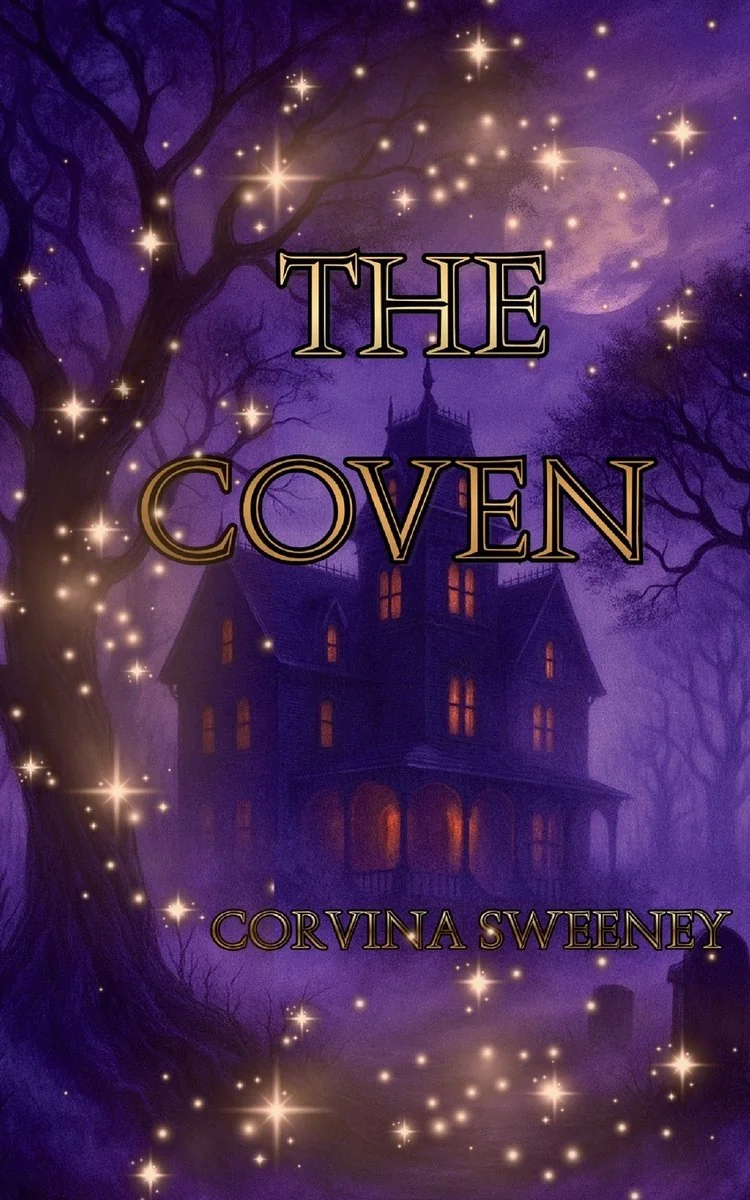
The Coven (The Coven)
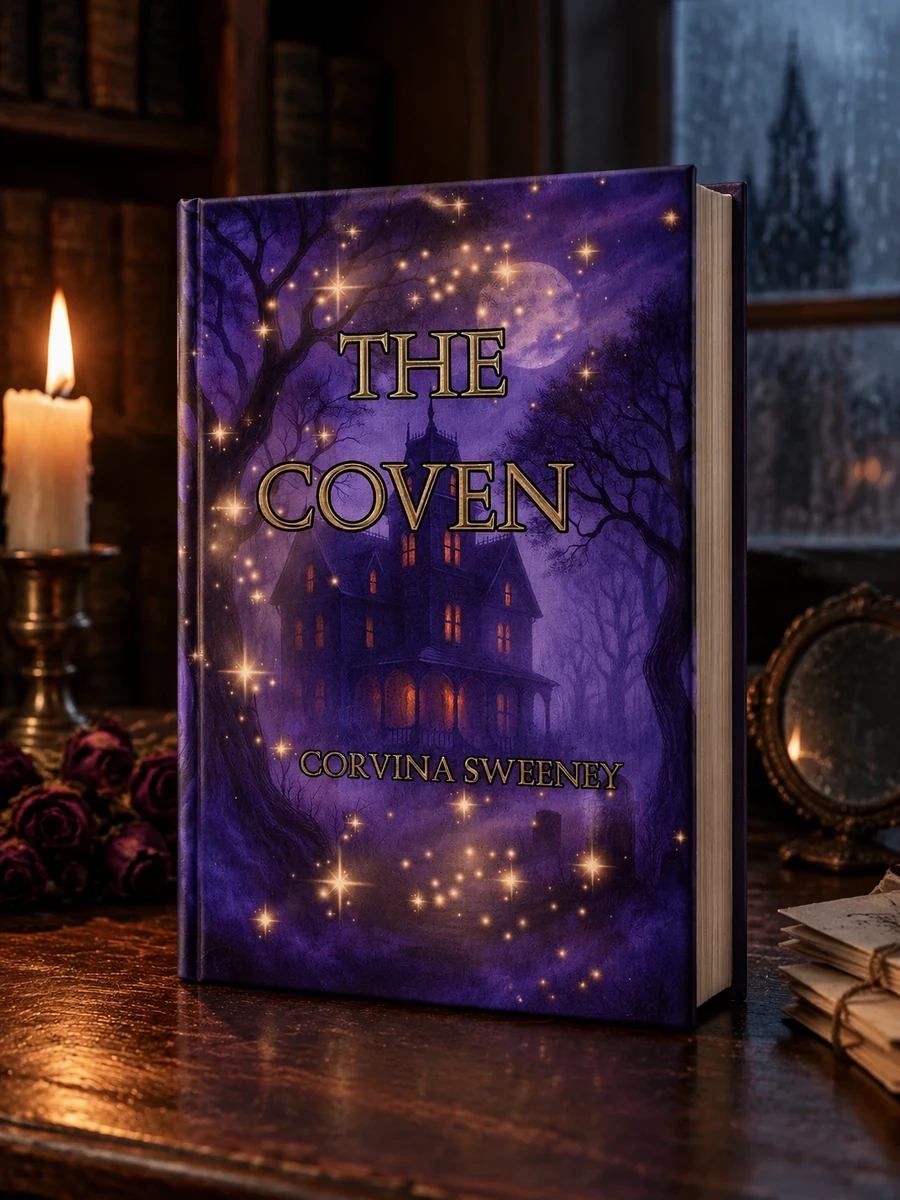
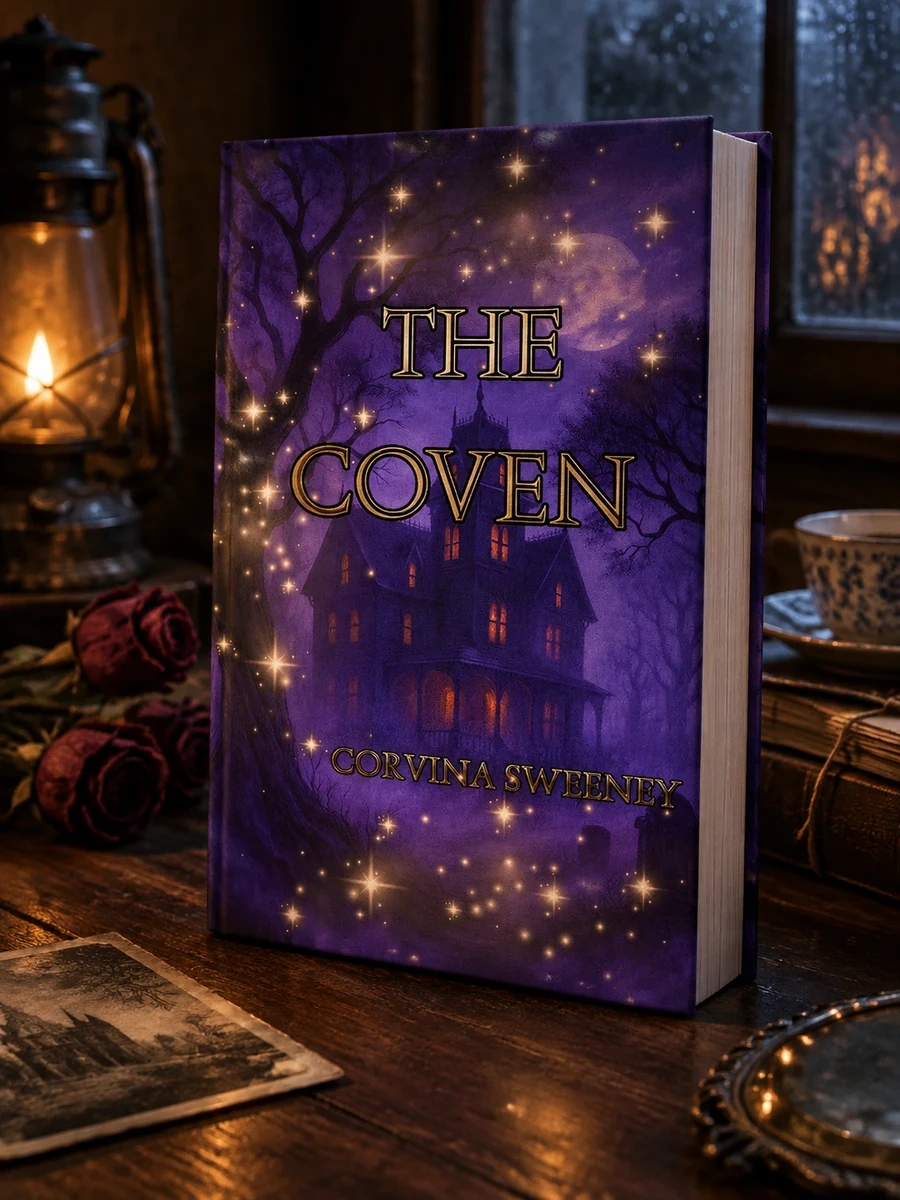
Three witches battle a demon and zombie after a spell fails at Pritchard House.
Sweeney constructs a plot where magical errors lead to immediate physical danger. The characters must manage a chaotic demon and an aggressive undead creature while evading local hostility. The narrative structure emphasizes urgency as the protagonists race against time to fix their mistakes. This approach prioritizes action and supernatural threat over character development or world-building details. The story remains grounded in the specific consequences of the witches' actions within the Pritchard House environment.
This work sits within contemporary horror fiction, focusing on modern interpretations of witchcraft and supernatural disasters. It draws on the tradition of small-town secrets and the consequences of meddling with forces beyond human understanding. The narrative reflects current trends in genre fiction that blend magic with immediate, visceral danger.


📝 Description: The Coven (The Coven)
💎 Our verdict on The Coven (The Coven)
📖 Why choose it
Why this book is worth reading
Readers who prioritize kinetic energy and supernatural action over deep character introspection will find this title compelling. It offers a fast-paced narrative where the primary tension stems from survival against immediate physical threats rather than psychological dread. The story appeals to those interested in the tangible consequences of magical errors, presenting a scenario where witches must manage both a demon and a zombie simultaneously. It is ideal for audiences seeking a grounded, urgent conflict within a small-town setting, focusing on the chaos of spell failure rather than historical exposition or slow-burn atmospheric buildup.
⭐ Reader reviews
Reader rating
Sweeney delivers a high-octane supernatural thriller that emphasizes urgency above all else. The narrative effectively balances two distinct threats: a persistent demon and an aggressive zombie with personality. By grounding the conflict in the specific environment of Pritchard House, the story maintains focus on immediate physical danger rather than sprawling world-building. This approach suits readers who enjoy fast-paced magical conflicts and direct consequences for their protagonists' actions. It avoids the pitfalls of slow-burn gothic horror, instead offering a relentless race against time to resolve magical mistakes before local hostility or worse entities intervene.