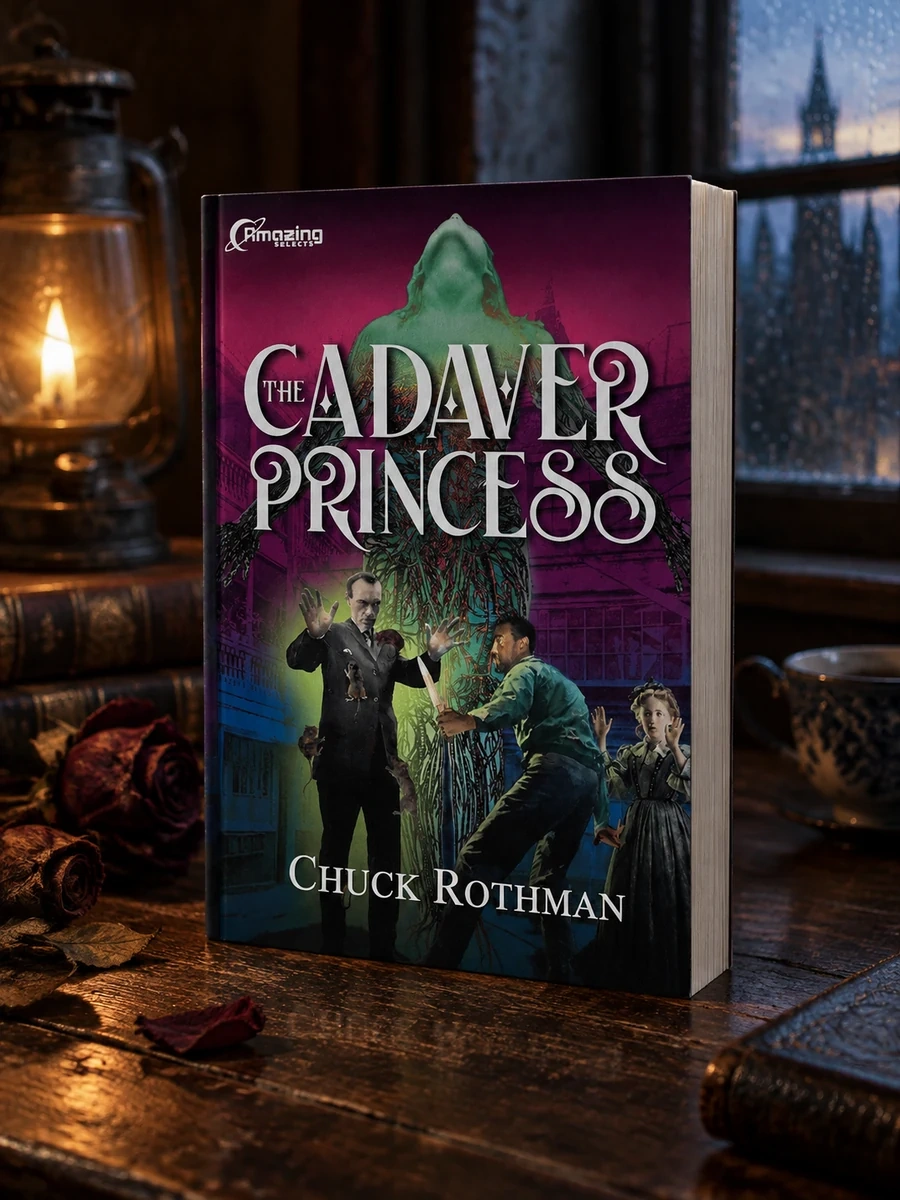
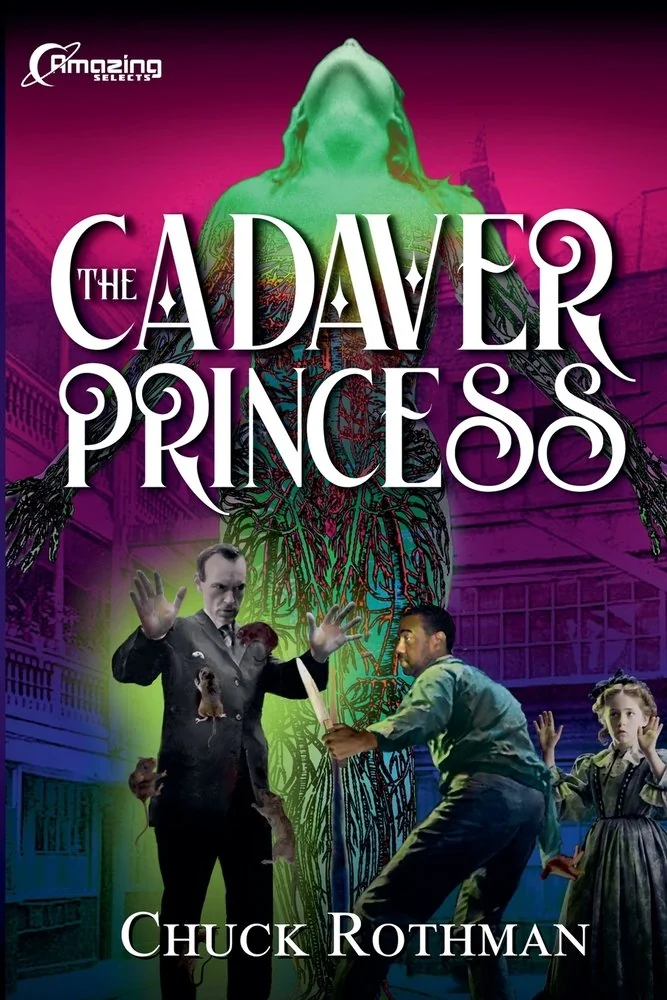
The Cadaver Princess
A reanimated princess investigates body snatching in 1831 London.
Victoria wakes up dead in London, 1831, and claims to be a princess. She teams up with Pablo and a doctor to stop a conspiracy involving stolen bodies and political power. The story moves from anatomical slabs to Kensington Palace, exploring how resurrection intersects with empire building. Rothman uses this premise to question identity and authority in a world where the dead do not stay buried. The narrative balances wit with dark magic, creating a unique blend of genres that challenges traditional historical fiction boundaries.
The story is set in London during 1831, specifically mentioning Kensington Palace and the city's slums. It draws on gothic mystery traditions and alternate history frameworks. The narrative reflects a period where science and shadows coexisted, focusing on the British Empire's secrets and the intersection of anatomy with royal power structures.


📝 Description: The Cadaver Princess
💎 Our verdict on The Cadaver Princess
📖 Why choose it
Why this book is worth reading
Readers who enjoy complex character dynamics within historical settings will find this book rewarding. It appeals to those interested in alternate histories where science and magic intersect, offering a unique perspective on identity and authority. The story balances dark humor with supernatural elements, making it suitable for fans of gothic fiction who appreciate speculative twists on British history. Those weary of traditional horror or strictly factual accounts may find its blend of wit and eerie atmosphere refreshing. The narrative challenges boundaries by exploring how resurrection intersects with political power, providing a thought-provoking experience that avoids modern slang for period authenticity.
⭐ Reader reviews
Reader rating
Rothman constructs a compelling tale that balances dark humor with supernatural intrigue. By setting the story in 1831 London, he explores themes of identity and rebellion through the lens of resurrection. The narrative effectively moves from anatomical slabs to Kensington Palace, revealing a conspiracy tied to political power. It draws on gothic traditions while introducing speculative elements that challenge historical fiction boundaries. This approach creates a witty yet eerie atmosphere. The book suits readers interested in alternate histories where science and magic intersect. It avoids modern slang, maintaining a period-appropriate tone throughout. While it may not satisfy those seeking traditional horror, it offers a unique blend of genres that engages with the soul of the empire in a fresh way.
You might also like
See more →



Have a question about this item?
Ask about the edition, condition, delivery or anything else — we reply by email or phone, usually within a day.
