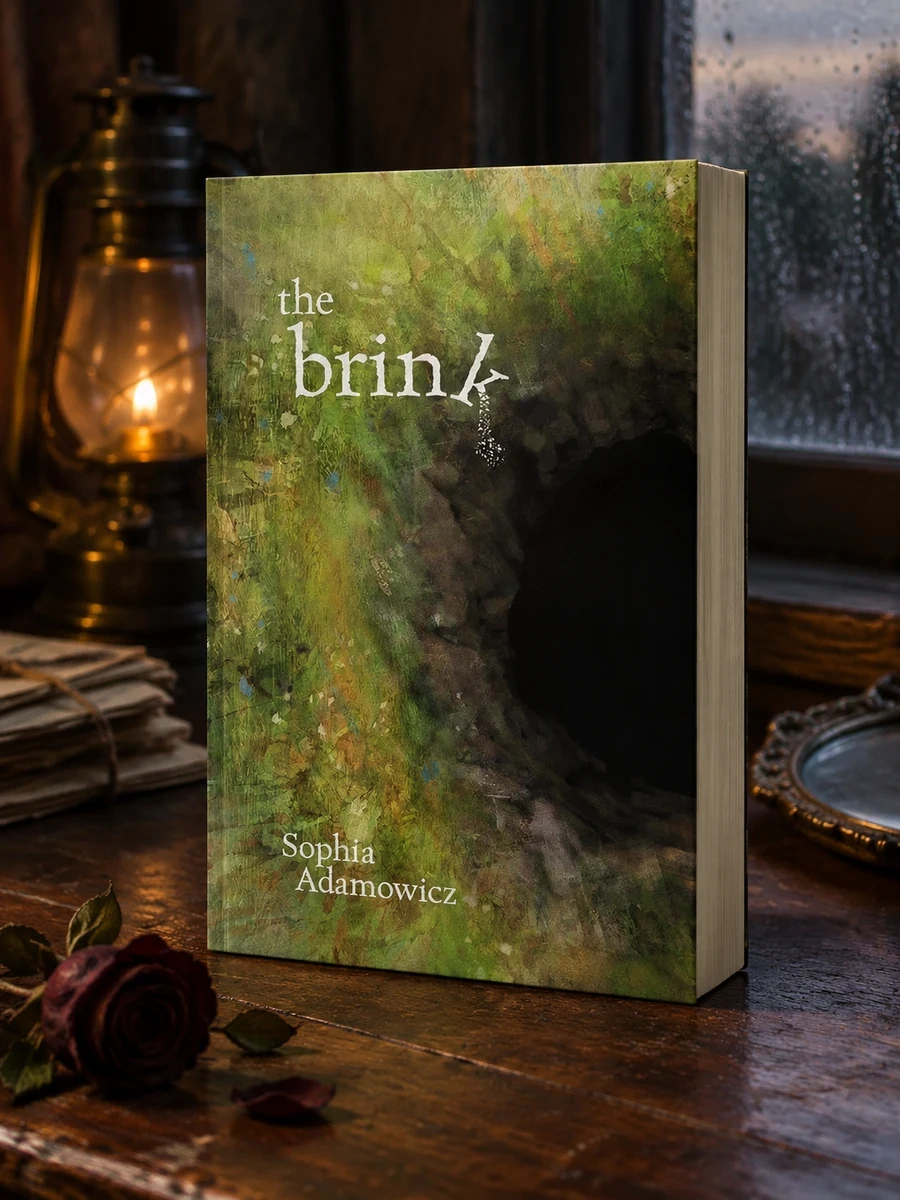
The Brink (First Edition, First)
A dark fantasy novel exploring genderqueer identity in the Renaissance through occult horror.
Adamowicz weaves supernatural fear with personal identity in a Renaissance setting. The era's ambiance highlights nonbinary experiences, focusing on mental tension instead of combat. The publisher notes the book's challenge to horror norms. It targets readers who like history informing modern identity talks. The plot avoids rapid action for a slow, eerie build. This style leaves a lasting impression. It suits those who enjoy identity themes in dark fantasy.
The Brink is set during the Renaissance, a period known for its cultural shifts and artistic developments. This historical context provides a foundation for exploring supernatural themes. The book bridges past and present by addressing contemporary issues of selfhood through a historical lens.


📝 Description: The Brink (First Edition, First)
💎 Our verdict on The Brink (First Edition, First)
📖 Why choose it
Why this book is worth reading
Readers who appreciate slow-burn psychological tension and atmospheric dread will find this novel deeply rewarding. It offers a unique exploration of genderqueer identity within a Renaissance setting, prioritizing mental unease over physical combat. Those interested in how historical ambiance can illuminate modern identity themes will gain significant insight. The book challenges traditional horror norms by focusing on nuanced emotional states rather than rapid action. It is ideal for fans of gothic fiction who value mood and eerie buildup. By avoiding fast-paced thrills, it creates a lasting impression through its unique genre mix. Readers seeking psychological depth over plot-driven excitement will appreciate this distinct approach to dark fantasy.
⭐ Reader reviews
Reader rating
Sophia Adamowicz crafts a compelling occult horror narrative that merges Renaissance history with nuanced examinations of genderqueer life. The novel excels in building a slow, eerie atmosphere, favoring mental tension over rapid events. This approach creates a lingering sense of dread suitable for those who enjoy gothic fiction's atmospheric depth. While it may not appeal to fans of fast-paced thrillers or pure historical accounts without magic, it offers a rich experience for others. The book successfully challenges horror norms while maintaining its historical base. It stands as a strong recommendation for readers interested in the intersection of dark fantasy and identity discussions. Its focus on mood ensures a memorable reading experience that lingers long after the final page.
📖 Read on the blog
🏛 Books from this publisher Ruadan Books


You might also like
See more →
Have a question about this item?
Ask about the edition, condition, delivery or anything else — we reply by email or phone, usually within a day.
