The Boy
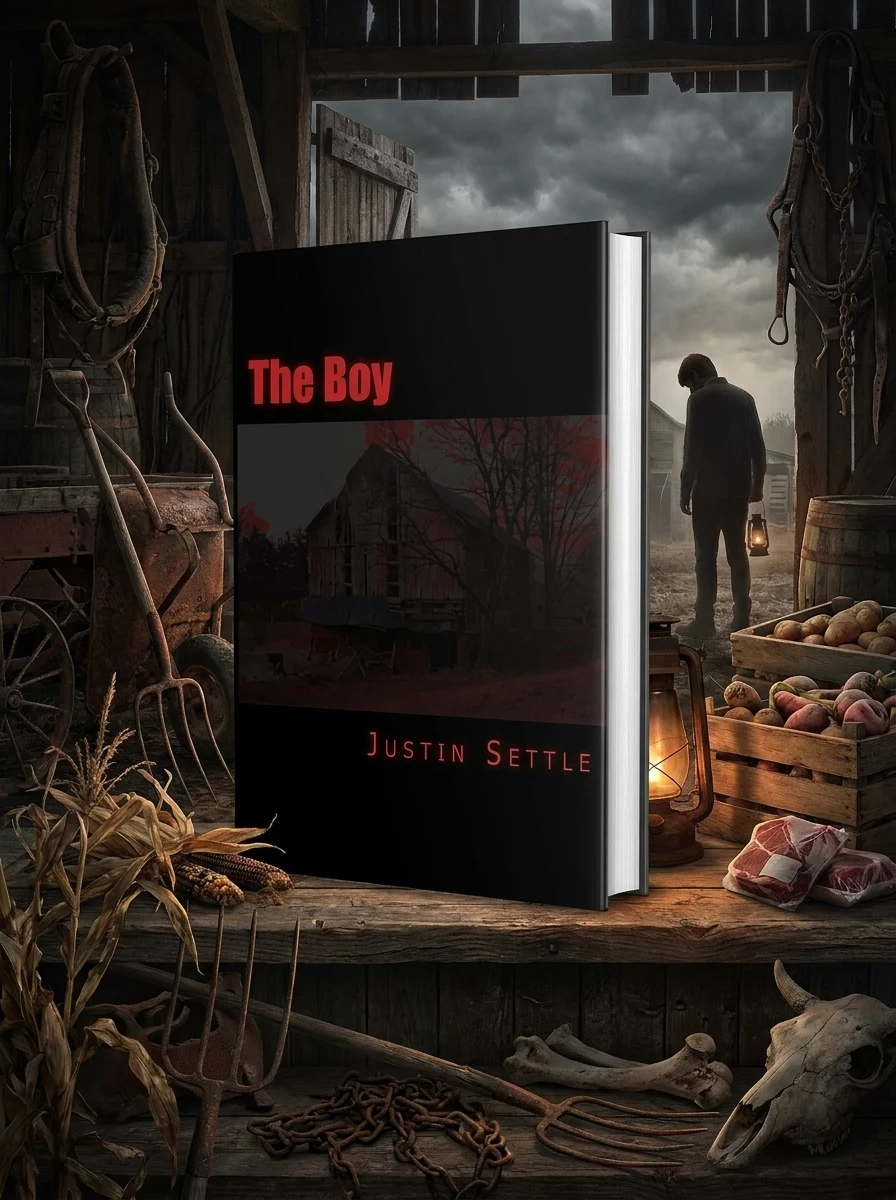
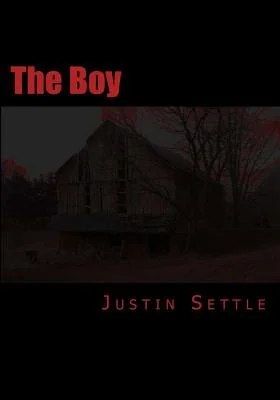
A mute boy raised by an abusive father learns animal instincts on a remote farm.
The narrative follows a young boy who loses his voice due to paternal abuse. He lives in complete seclusion, learning only what animals teach him about life cycles. His father utilizes the farm’s produce to host sexual partners, exposing the boy to explicit acts. This environment fosters a worldview where humans are treated as livestock. The story examines how extreme isolation and violence reshape identity. It does not offer redemption or escape but rather documents the descent into primal behavior. The plot relies on the gradual hardening of the protagonist against societal norms.
Published in 2012 by Justin M Settle, this work sits within the tradition of American horror fiction. It draws on gothic elements of isolation and supernatural dread. The text engages with themes of rural decay and psychological trauma prevalent in contemporary dark literature.


📝 Description: The Boy
💎 Our verdict on The Boy
📖 Why choose it
Why this book is worth reading
Readers drawn to the deepest corners of psychological horror will find this narrative compelling for its unflinching examination of primal survival. It appeals to those who appreciate gothic tales where environment dictates identity, offering a stark look at how violence and isolation can erase societal norms. The book serves as a study in the erosion of empathy, providing a dense atmosphere of hate and spiritual unease rather than traditional plot resolution. Those interested in the mechanics of trauma and the boundary between human and beast will engage with its harsh realism. It is ideal for audiences seeking challenging, atmospheric horror that prioritizes thematic depth and visceral impact over comfort or redemption.
⭐ Reader reviews
Reader rating
Settle delivers a harrowing exploration of identity erosion through brutal instruction, crafting a world where human and beast boundaries dissolve. The narrative effectively utilizes the remote farm setting to amplify themes of isolation and primal instinct, creating a dense atmosphere of hate and survival. By depicting dissection, necrophilia, and cannibalism as natural outcomes of twisted education, the text forces readers to confront raw violence without offering escape or redemption. This approach suits fans of extreme psychological horror and gothic fiction who appreciate unflinching depictions of trauma. It is a challenging read that rewards those willing to endure its graphic nature for its thematic power.